Rodent infestations are much more than a minor inconvenience. Whether they invade a residential home, a summer cottage, a busy restaurant, or a large commercial warehouse in Ontario, mice and rats pose significant health risks and can cause severe property damage if not addressed promptly.
Understanding the financial and health risks associated with rodent activity is the first step in effective rodent control, prevention, and long-term property protection.
Why You Should Take Rodent Infestations Seriously
Rodents are highly adaptable survivors. They can squeeze indoors through incredibly small openings—mice only need a gap the size of a dime. Once inside, they can remain completely undetected within wall voids, ceilings, attics, behind appliances, and in dark storage areas.
Because rodents are nocturnal and most active during low-traffic periods, early-stage infestations often go unnoticed. If left uncontrolled, a minor rodent issue can quickly escalate, leading to:
- Parasite transmission: The spread of ectoparasites like ticks, fleas, and mites.
- Disease risks: The spread of dangerous pathogens, including Hantavirus and foodborne illnesses.
- Food contamination: Direct contamination of food, beverages, and prep surfaces.
- Property damage: Destruction of building materials, chewed structural wood, and ruined insulation.
- Fire hazards: Chewed electrical wiring, which is a leading cause of unexplained structural fires.
- Rapid breeding: Explosive population growth within enclosed areas.
For institutions, homeowners, and business owners, investing in early rodent treatment helps stop minor activity from turning into a full-scale infestation.
Common Hiding Spots and the Damage They Cause
Rodent activity is typically concentrated in areas that provide shelter, warmth, and minimal human disturbance. These ideal conditions allow mice and rats to nest and forage safely.
Common problem areas include:
- Basements and cluttered storage rooms
- Attics and wall voids
- Kitchens, pantries, and food storage spaces
- Garages, sheds, and crawlspaces
- Utility rooms and mechanical spaces
- Loading docks in commercial buildings
Once established, they can cause devastating structural and sanitation issues. In residential settings, utilizing professional residential rodent control services is the safest way to eliminate the threat. In commercial environments, uncontrolled rodents can lead to failed health inspections, ruined inventory, operational downtime, and a damaged brand reputation.
Health and Contamination Risks
One of the primary threats of an infestation is severe contamination. Rodents leave behind a trail of droppings, urine, saliva, and shed hair. They can carry and transmit disease-causing pathogens to humans and pets.
Human exposure usually happens when contaminated rodent materials are disturbed, especially in poorly ventilated or enclosed spaces. While rare, this type of exposure is directly linked to serious illnesses like Hantavirus.
What is Hantavirus?
Hantavirus is a group of viruses carried by certain wild rodents, particularly deer mice. In humans, it can cause a severe respiratory illness known as Hantavirus Pulmonary Syndrome (HPS).
Infection does not typically occur from direct contact with the animal. Instead, it happens when virus-contaminated urine, droppings, or nesting materials dry out, become aerosolized (airborne), and are inhaled by humans.
Early symptoms of HPS include:
- Fever, fatigue, and muscle aches
- Headaches and nausea
- As it progresses: coughing, shortness of breath, and chest tightness
Because early symptoms mimic the flu, any recent exposure to rodent-contaminated environments should be mentioned when seeking medical attention.
How to Clean Up After a Rodent Infestation
If you discover rodent droppings or nests, proper cleanup is vital to reduce your risk of inhaling airborne pathogens.
- Do not sweep or vacuum dry droppings, as this launches harmful particles into the air.
- Ventilate the space by opening doors and windows for at least 30 minutes before cleaning.
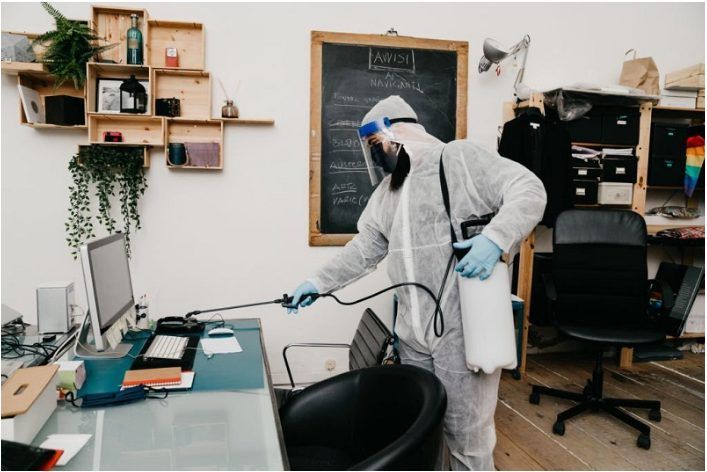
- Wear proper PPE, including a well-fitting face mask and rubber gloves.
- Disinfect first. Spray the contaminated area with a commercial disinfectant or a bleach-and-water solution and let it sit for 5 to 15 minutes.
- Use a paper towel or disposable rag to wipe up the materials, place them in a sealed plastic bag, and dispose of them in an outdoor garbage bin.
For extensive contamination—especially in attics, crawlspaces, or commercial facilities—it is always safer to contact professional rodent control services to handle the biohazard cleanup.
Preventing Future Rodent Entry
Long-term rodent control requires cutting off their access to food, water, and shelter.
- Seal entry points: Inspect your building's exterior and seal cracks, gaps, and pipe penetrations with steel wool and proper caulking.
- Secure food sources: Store all human and pet food in heavy-duty, airtight containers.
- Declutter: Keep basements, garages, and utility areas organized to remove hiding spots.
- Manage waste: Ensure garbage is disposed of in secure, rodent-resistant outdoor bins.
When to Call Nomore Pest for Professional Rodent Control
DIY traps and baits often only scratch the surface of a larger breeding problem. You should call in professional exterminators when:
- Droppings or nesting materials are found in multiple rooms.
- Rodent activity persists despite your best DIY efforts.
- The infestation is inside a commercial business or food-handling environment.
- You cannot locate how they are getting inside the building.
At Nomore Pest, our comprehensive pest control programs are customized to your specific needs. We don't just set traps; we conduct thorough assessments to identify high-pressure zones, safely remove the current infestation, and perform exclusion work to seal entry points so they don't come back.
Don't let a rodent problem compromise your health or property. If you suspect an infestation, our team is ready to help restore the safety and sanitation of your space.
Don't let a rodent problem compromise your health or property
If you suspect an infestation, our team is ready to help restore the safety and sanitation of your space. Email us today for an assessment.
Or email us at info@nomorepest.ca · Toronto & the GTA