

Wasp & hornet nest removal — Toronto & the GTA
Safe, same-day removal of wasp, hornet and bee nests from eaves, decks, attics and yards. Full protective gear, entire colony eliminated at the source.
Safe, same-day wasp nest removal
Wasp nests grow to thousands by late summer and defend aggressively. Nomore Pest removes nests safely with full protective gear — eliminating the entire colony so it never comes back.

What are wasps?
Wasps belong to the order Hymenoptera — the same group as bees and ants — with more than 100,000 known species worldwide. Knowing how they behave is the first step to handling them safely.
How wasps differ from bees
Unlike bees, most wasps have:
- Smooth, shiny bodies with a narrow "waist"
- The ability to sting multiple times — the stinger doesn't get stuck
- A diet of insects, nectar, fruit and sugary foods
- Colonies that usually last only one season
Wasp species found in Toronto
Every species is identified and treated correctly — each requires its own removal approach.
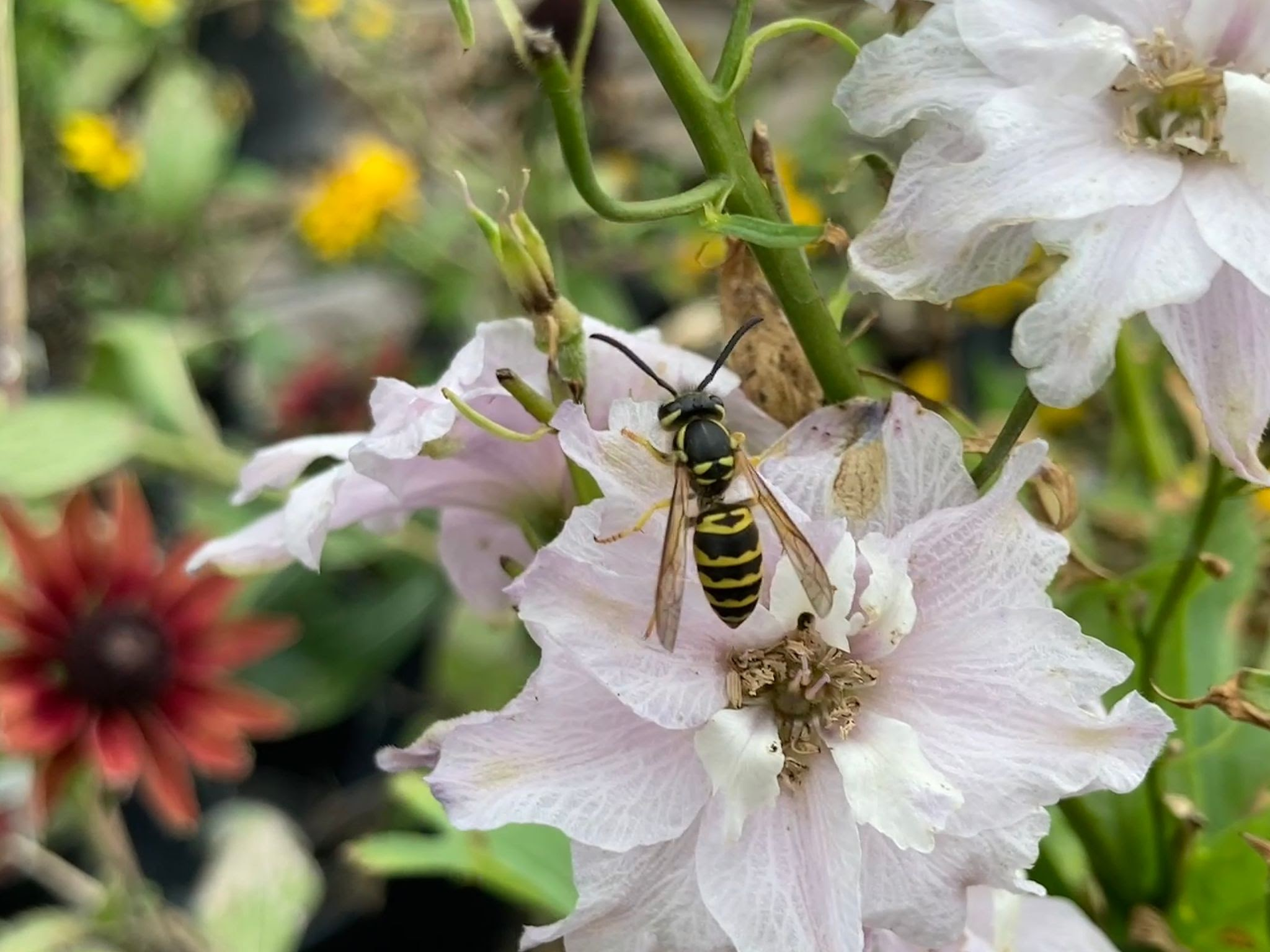
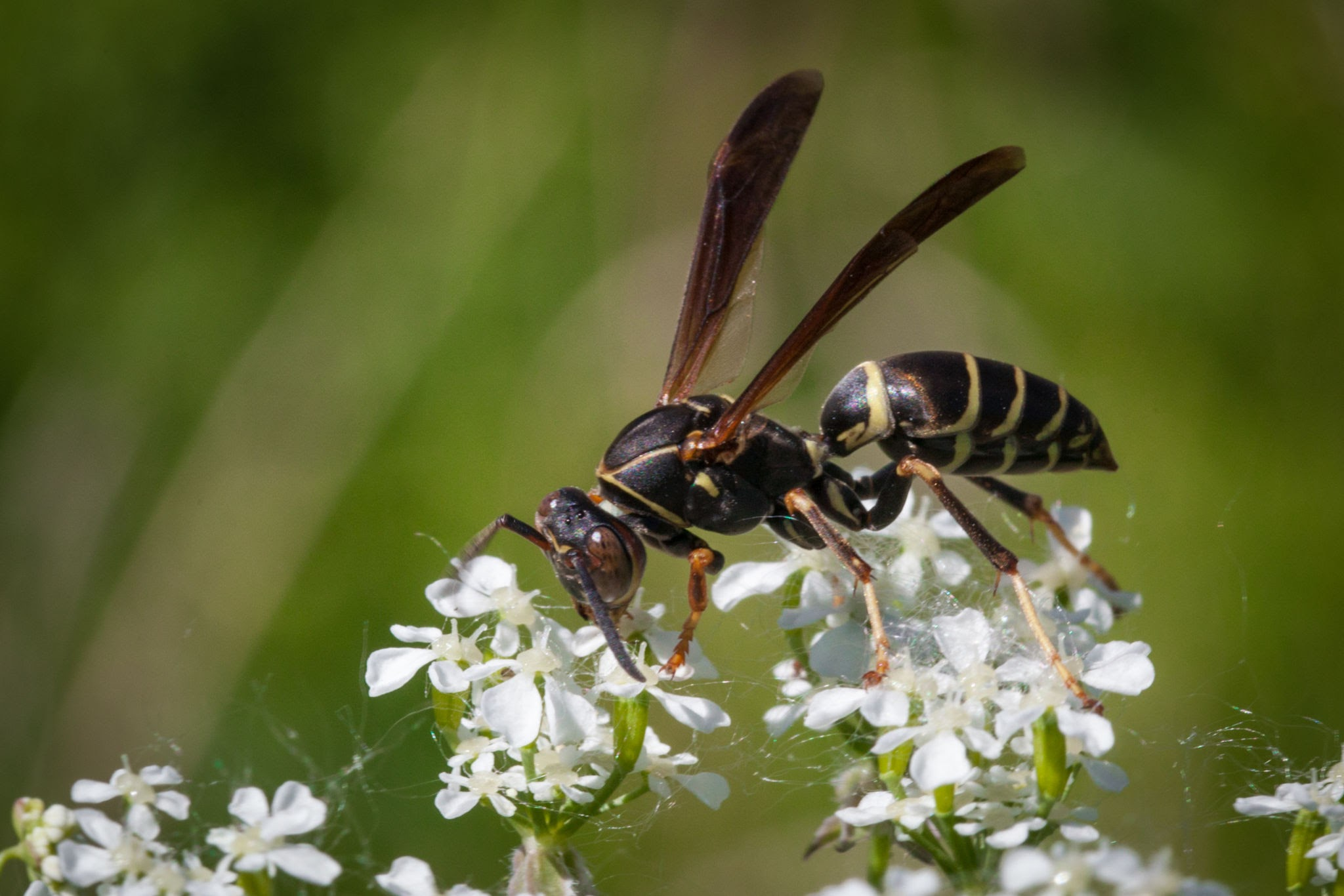
Northern Paper Wasp
Usually gentle unless disturbed.
European Paper Wasp
An introduced species, now common across Toronto.
Common Eastern Yellowjacket
Frequently visits picnics and garbage bins.
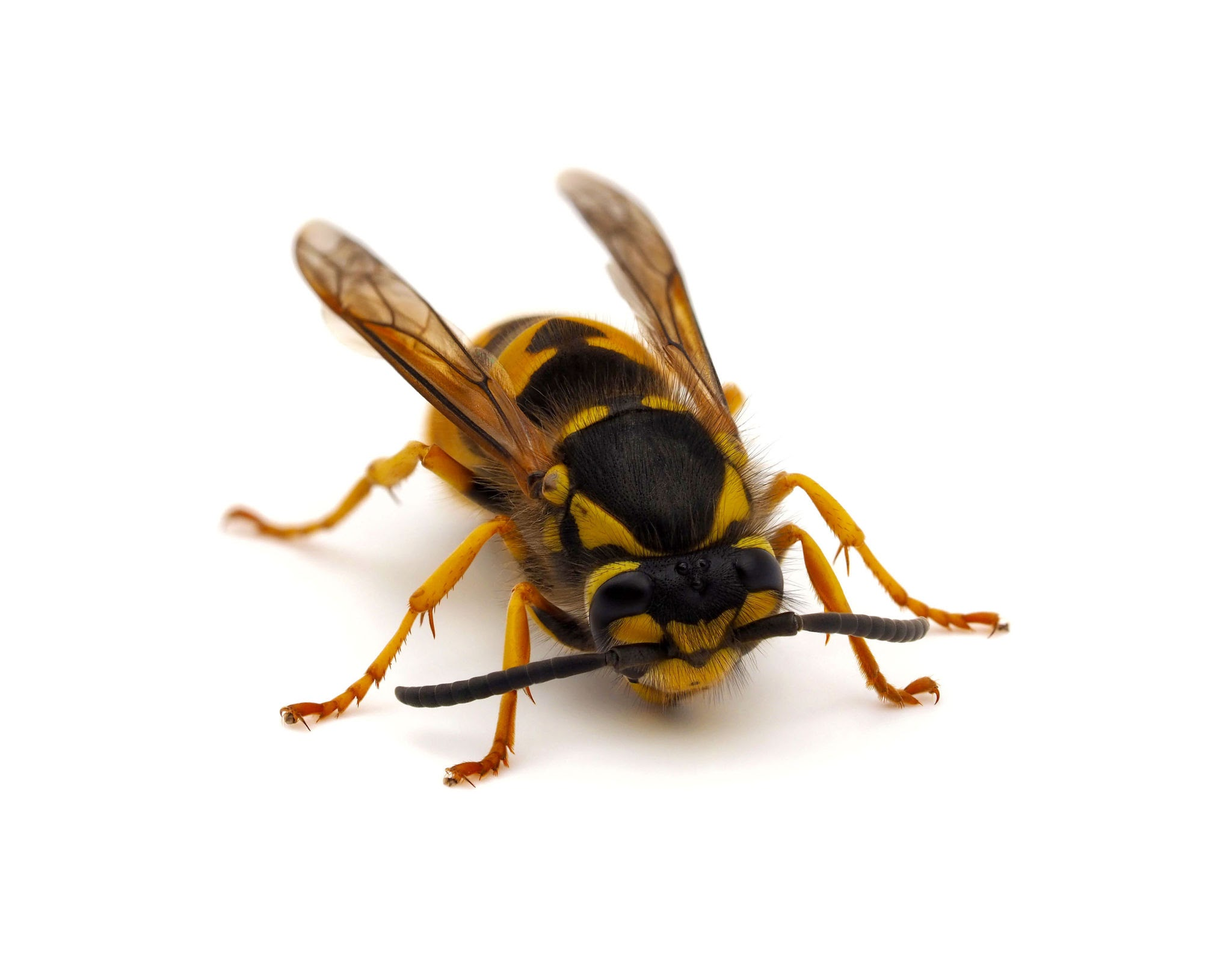
German Yellowjacket
One of the most common pest wasps in cities.
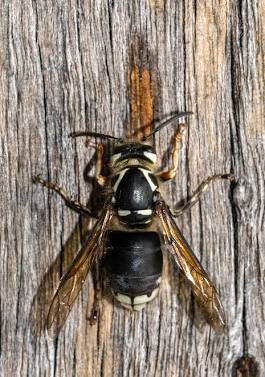
Bald-faced Hornet
Despite the name, it is actually a type of yellowjacket.
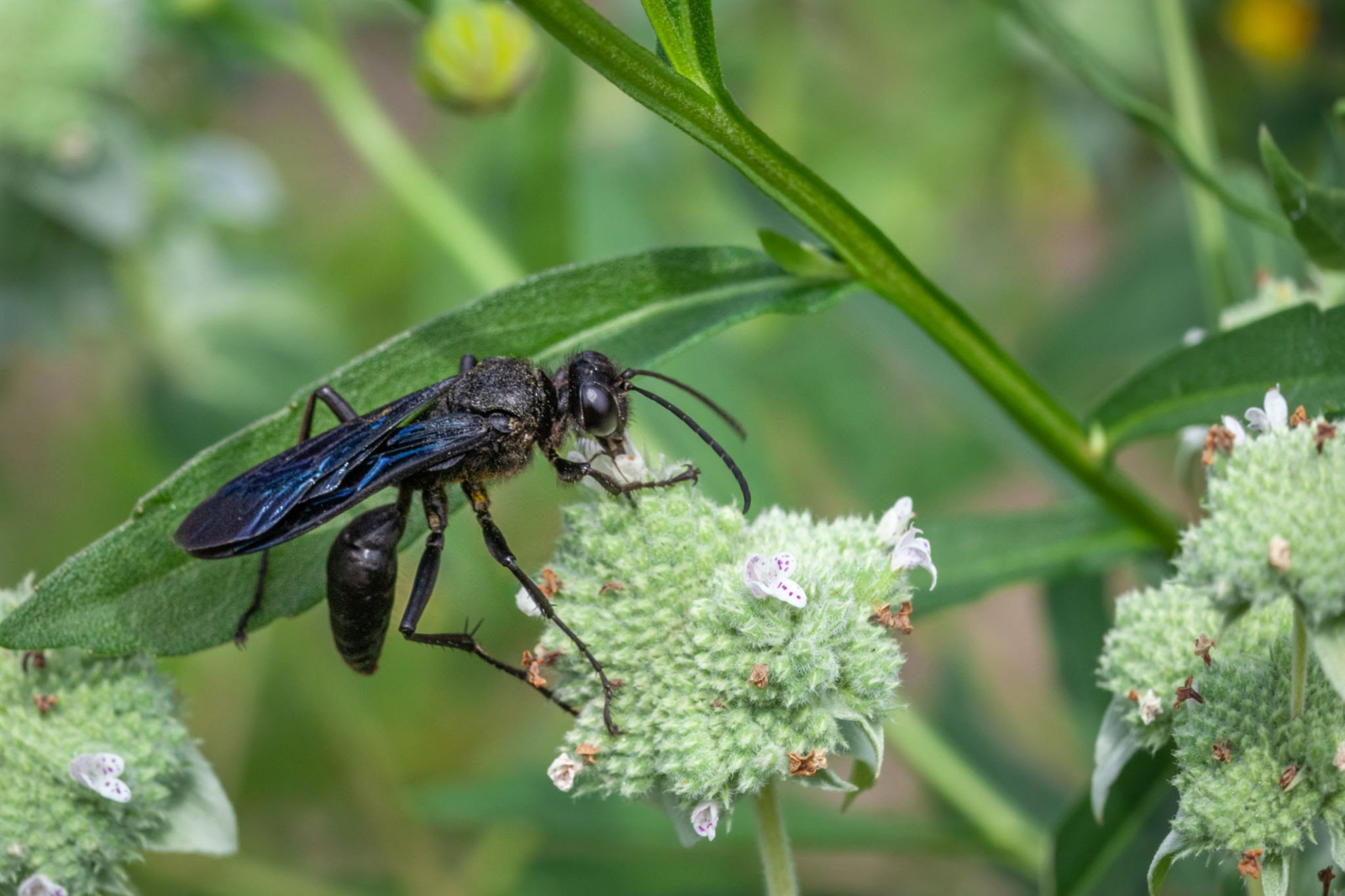
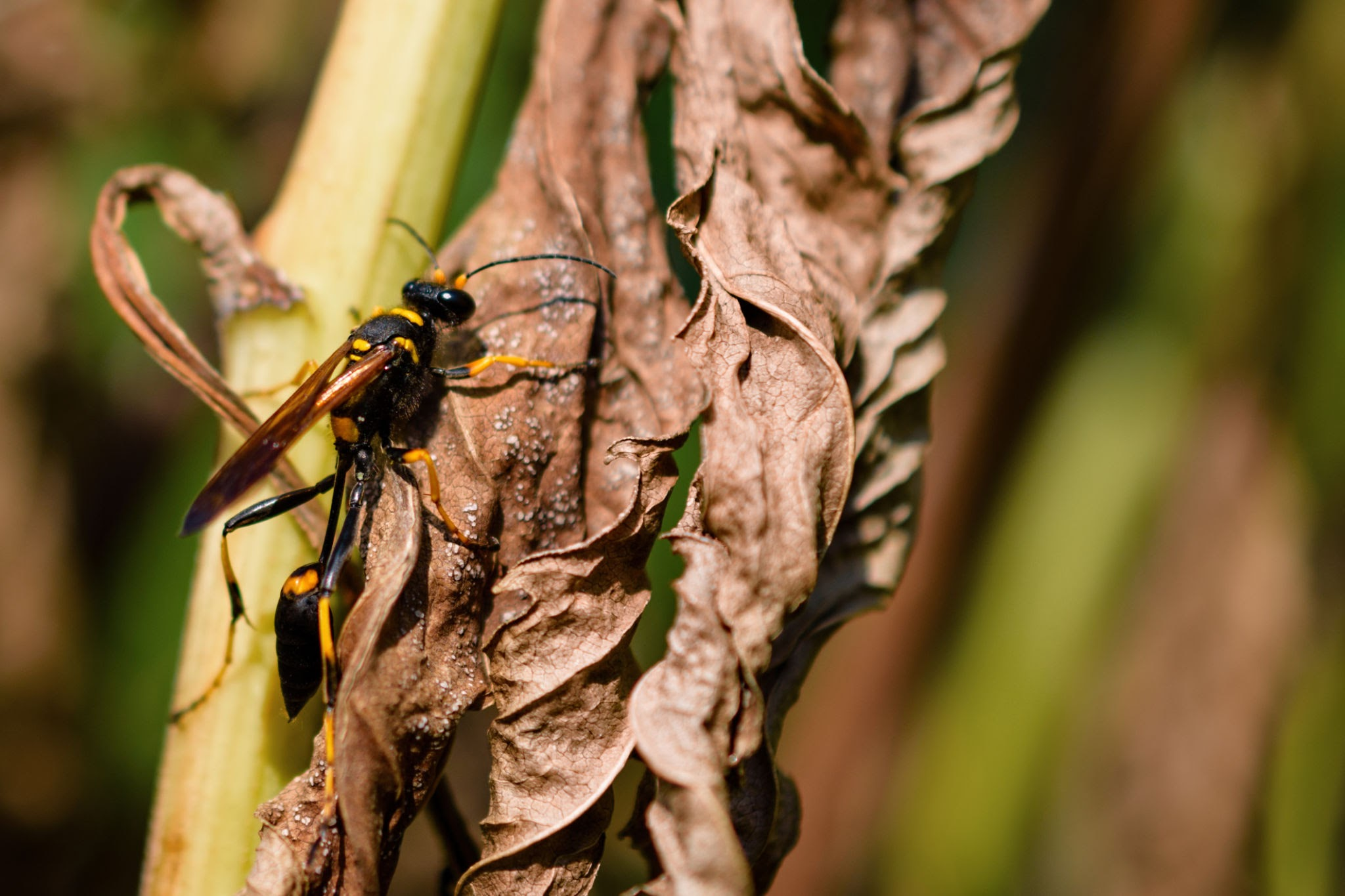
Great Black Wasp
Hunts grasshoppers and katydids to feed its young.
Mud Dauber
Rarely aggressive and helps control spiders.
Types of wasp nests found in Toronto
Identifying the nest tells us the species — and the safest way to remove it.
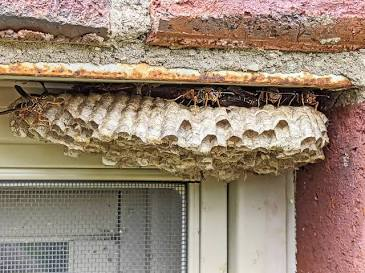
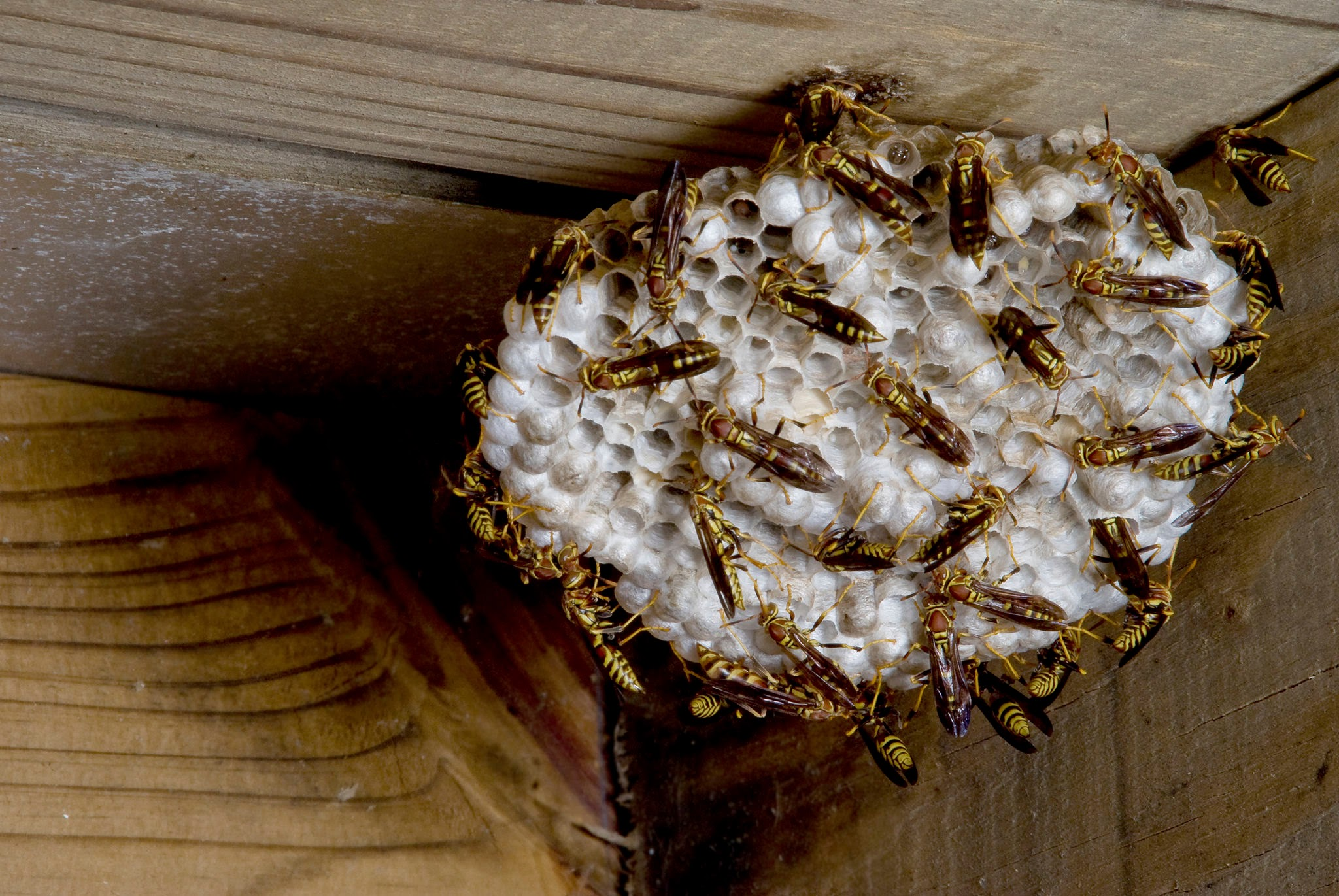
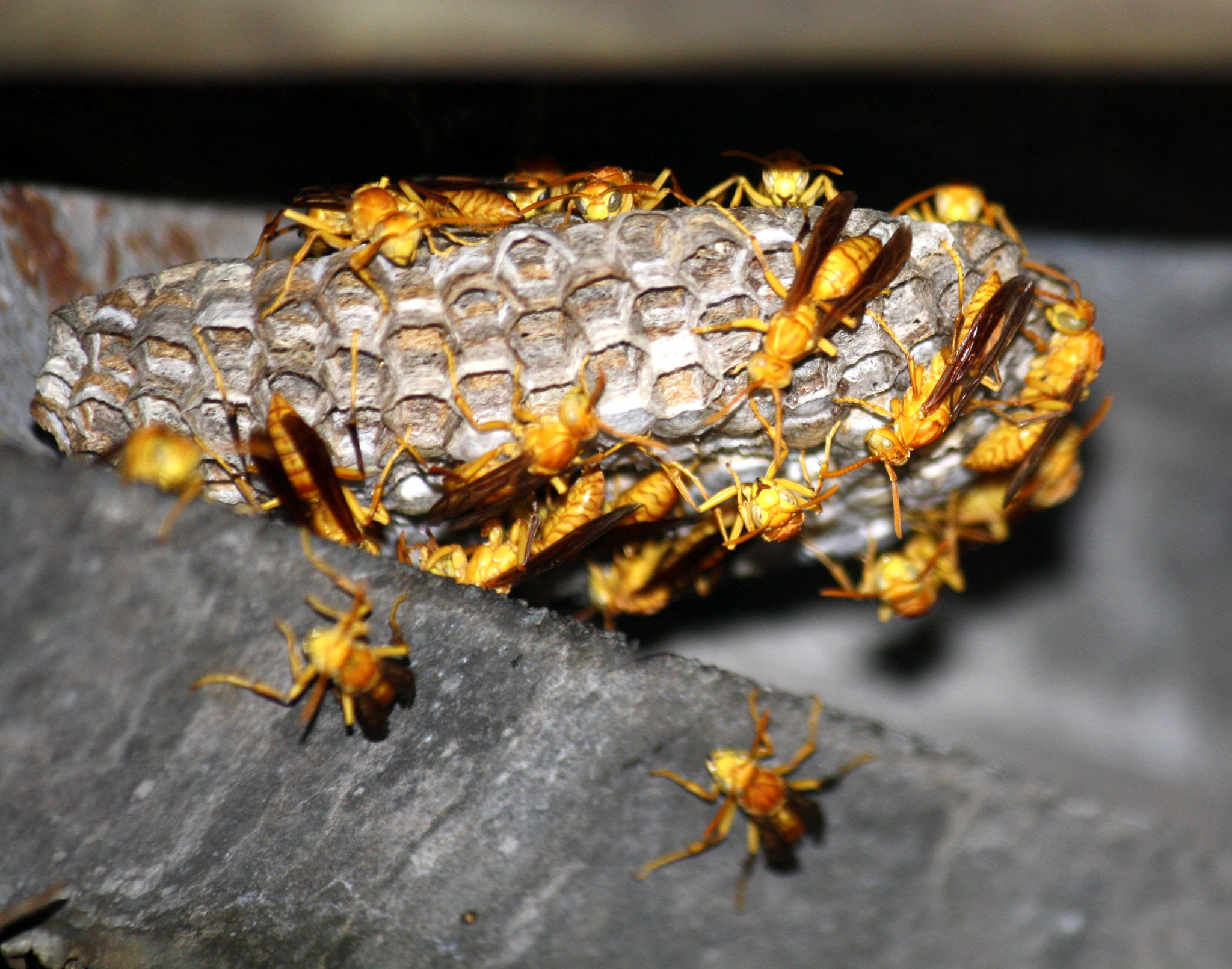
Paper Wasp Nest
Looks like an upside-down umbrella, made from chewed wood mixed with saliva, with open hexagonal cells visible. Usually hangs under decks, roofs, railings and sheds.
Yellowjacket Nest
Usually hidden underground, but can also be inside walls or attics. Large colonies may contain thousands of wasps.
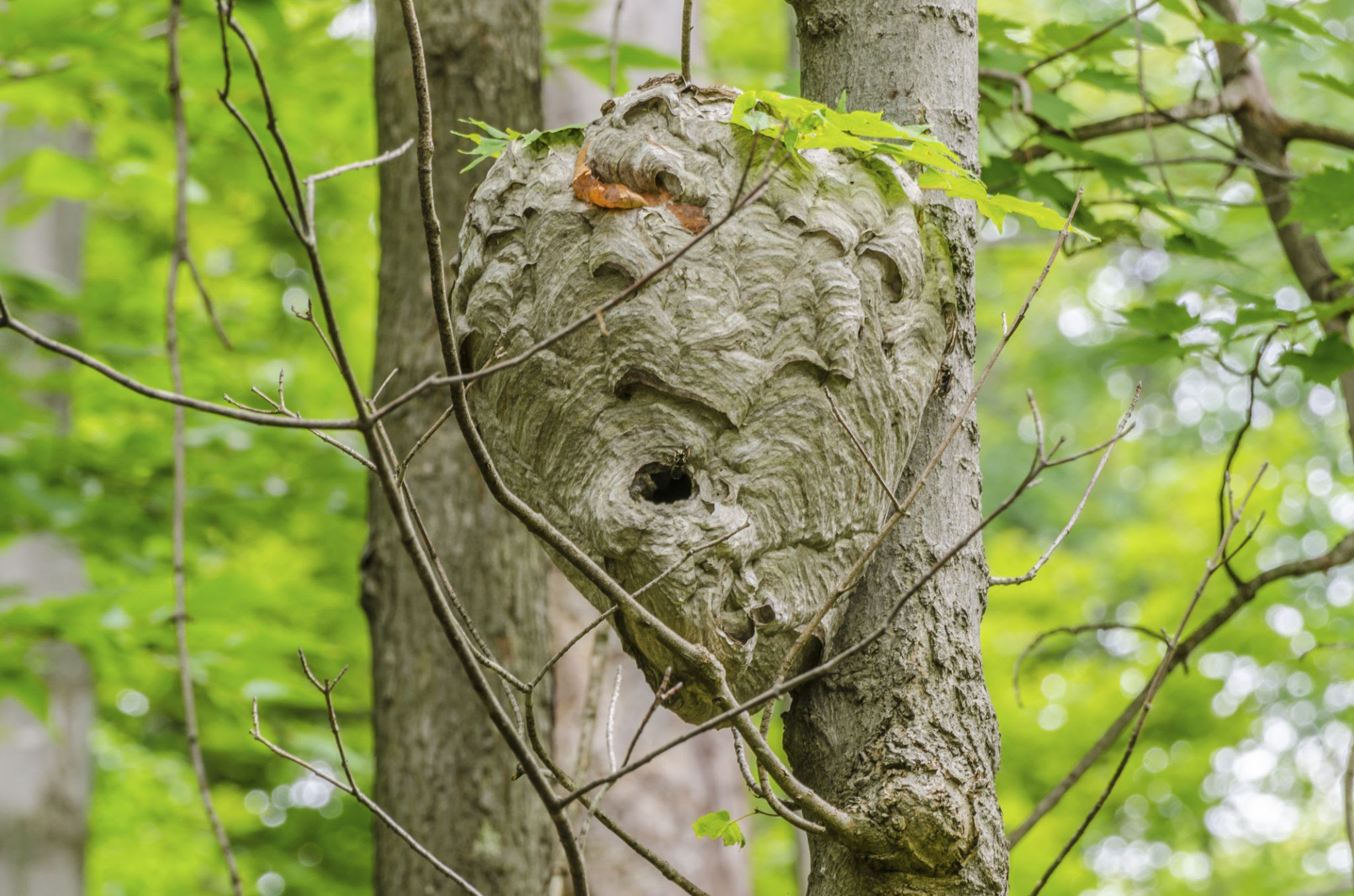
Bald-faced Hornet Nest
A grey, football-shaped paper nest, often hanging from trees or shrubs — one of the largest nests found in Ontario.
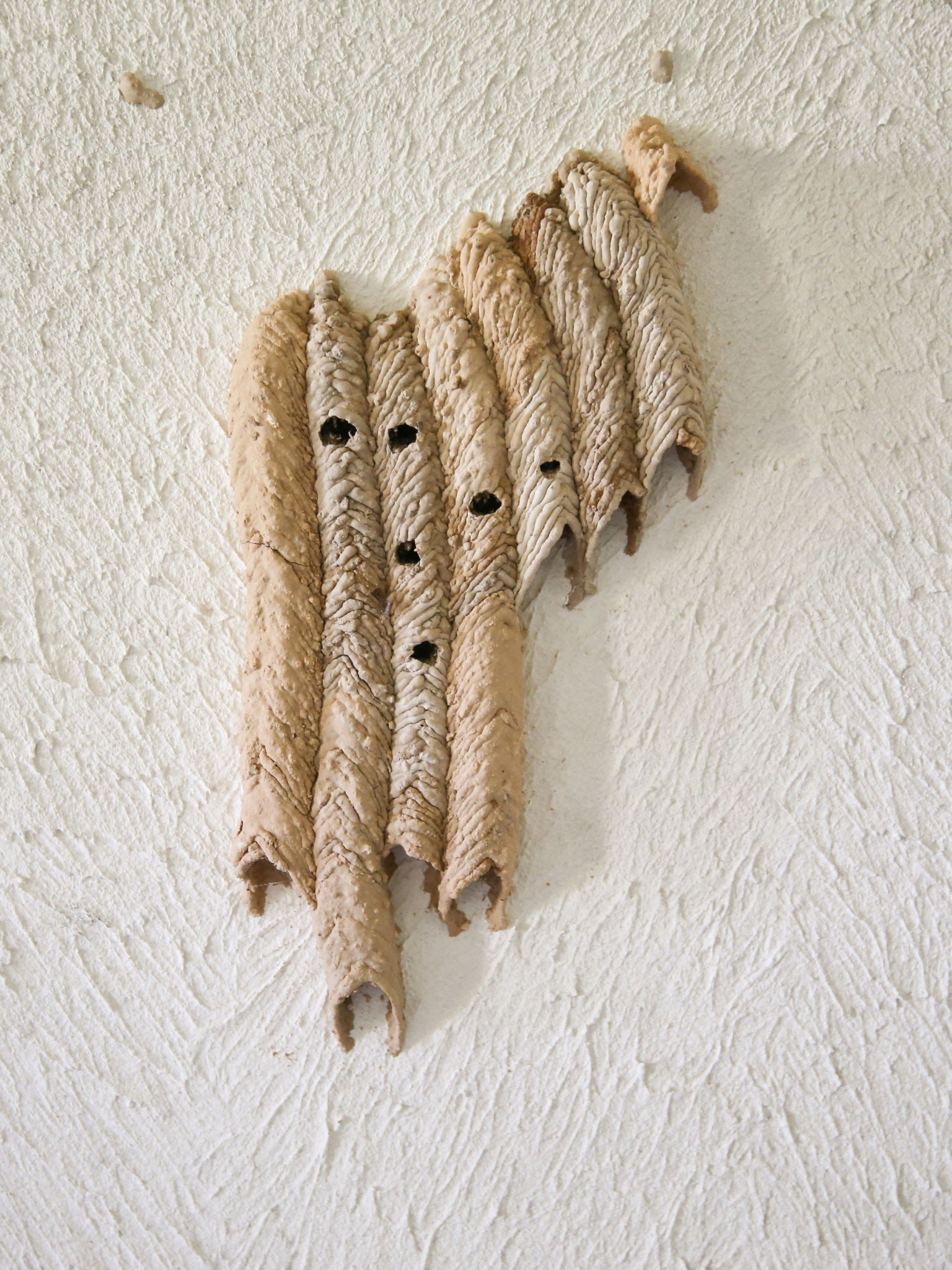
Mud Dauber Nest
Built from mud and looks like small clay tubes attached to walls or ceilings. Each tube contains food and one developing larva.
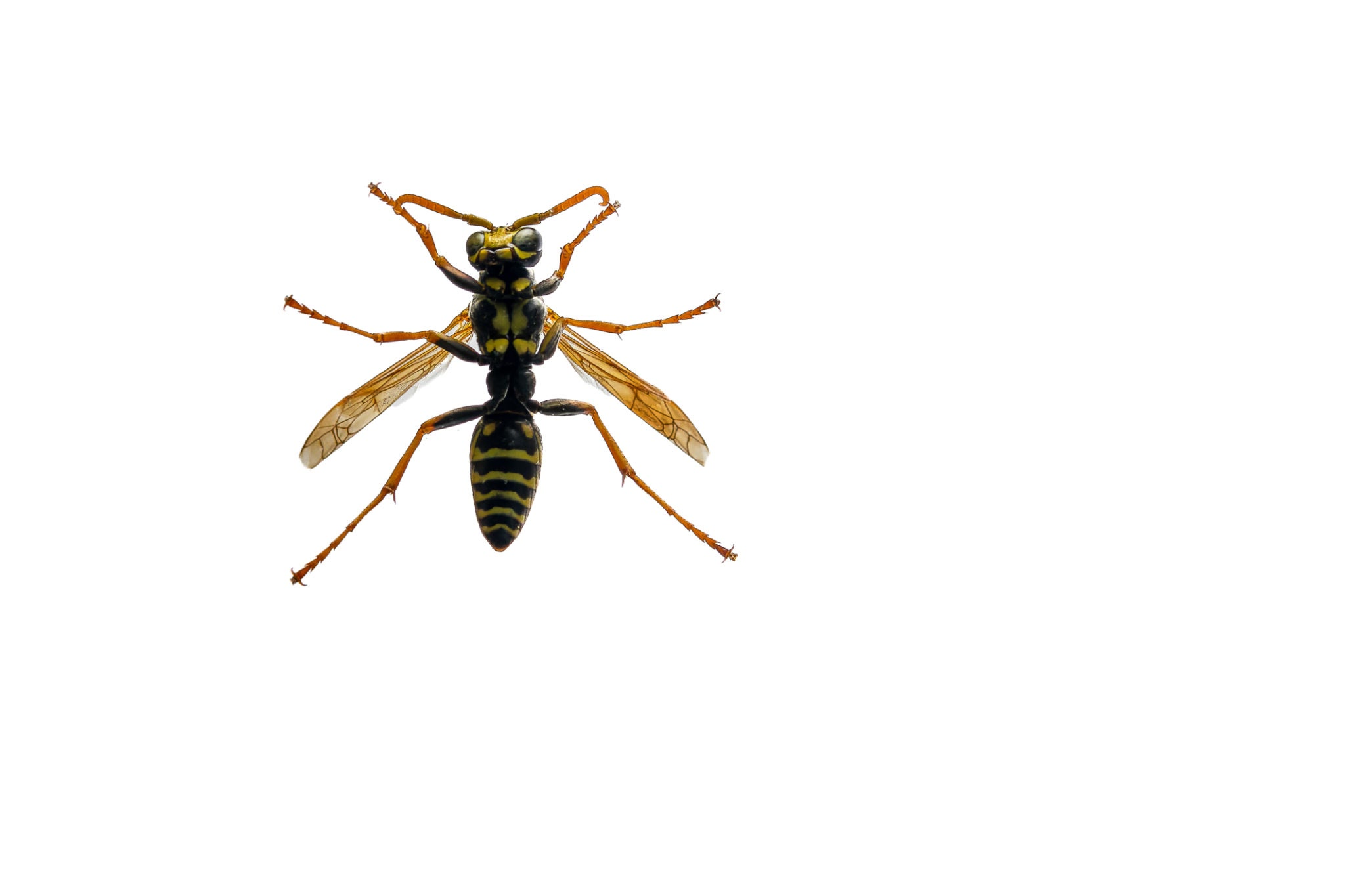
Body parts of a wasp
Three main sections
- Head — two compound eyes, two antennae and strong jaws (mandibles)
- Thorax — six legs, two pairs of wings and powerful flight muscles
- Abdomen — digestive organs and, in females only, a stinger
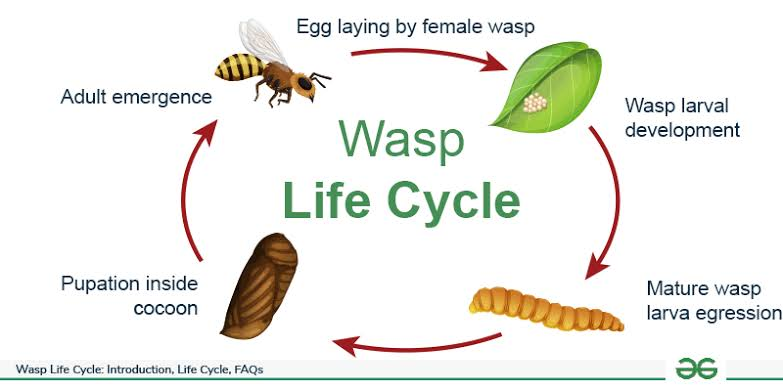
From egg to adult
Wasps go through complete metamorphosis — egg, larva, pupa, then adult. The queen starts a new nest each spring and lays the first eggs; most colonies last only one season, and only newly mated queens survive winter to start again.
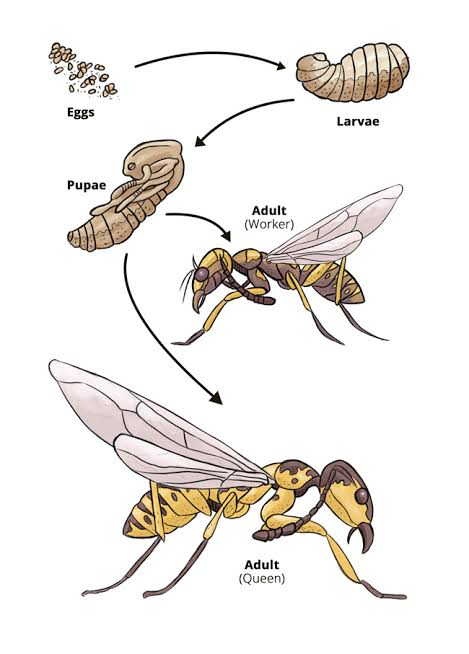
The colony
- Queen — starts the nest, lays all the eggs, and is the largest wasp in the colony
- Workers — female wasps that build the nest, gather food, feed larvae and defend the colony
- Males (drones) — mate with new queens and usually die soon after
What wasps eat — and why they matter
What adults eat
Nectar, fruit, tree sap, sweet drinks and human food — especially in late summer, which is when they most often bother patios and picnics.
What larvae eat
Caterpillars, flies, spiders and other insects brought back by worker wasps — which is how wasps help control garden pests.
Natural pest control
By hunting insects that damage gardens and crops, wasps keep pest numbers down — many farmers consider them beneficial.
Pollination & balance
Wasps pollinate some flowers, recycle dead insects and help keep local ecosystems balanced.
When are wasps most dangerous?
The earlier we remove a nest, the safer and more affordable the job.
Spring (Apr–Jun) — best time
Queens build small founding nests. The colony is tiny — easy and low-risk to remove, and the lowest cost. Call as soon as you spot a nest.
Summer (Jul–Aug) — rapid growth
Colonies double in size weekly and are drawn to BBQs and sweet drinks. Don't DIY — call us immediately.
Late summer–fall (Aug–Oct) — most dangerous
Maximum colony size and peak aggression. Sting risk is extremely high — emergency removal recommended.
Where wasps nest in Toronto homes
We inspect all hotspots — including hidden nests inside attics and underground.
- Attics & beams — hidden nests inside rafters, often undiscovered until very large.
- Roof & soffits — the most common location; sheltered from rain, so colonies grow fast.
- Trees & shrubs — hornets build large nests in branches; very dangerous when trimming.
- Decks & patios — paper wasps nest under boards; the #1 source of backyard stings.
- Underground — yellowjackets nest in soil and lawns; nearly invisible until triggered by mowers.
- Wall voids — colonies build inside cavities and enter through tiny exterior gaps.
How Nomore Pest removes wasp nests
A proven 4-step process on every Toronto job — fast, safe, guaranteed.
Free Inspection
Identify the species and locate all nests, including hidden ones.
Treatment Plan
The right method selected based on nest type and location.
Safe Removal
Full protective gear; the entire colony eliminated at the source.
Follow-Up Visit
We confirm complete elimination so the nest never reactivates.
Across Toronto & the GTA
Same-day and emergency wasp removal across the GTA — certified technicians dispatched within hours.
- Toronto
- Brampton
- Mississauga
- Markham
- Vaughan
- Richmond Hill
- Scarborough
- Woodbridge
Wasp removal questions
No — never approach an active nest. Disturbing it can trigger the colony to swarm and sting repeatedly. Call us for safe removal with proper protective gear.
We safely remove and treat wasp, hornet and bee nests. Where possible with bees, we prioritise safe, low-harm approaches.
Spring, when the queen is building a small founding nest. The colony is tiny, low-risk and lowest-cost — call as soon as you spot a nest.
Yes — wasps hunt insects that damage gardens and crops, pollinate some flowers and help keep ecosystems balanced. We only remove nests that pose a sting risk to your family or property.
Wasp nest on your property? We remove it safely — same day.
Same-day service · licensed & certified · residential & commercial · GTA-wide.
Same-day service · Toll-free 800-461-1827 · Toronto & the GTA