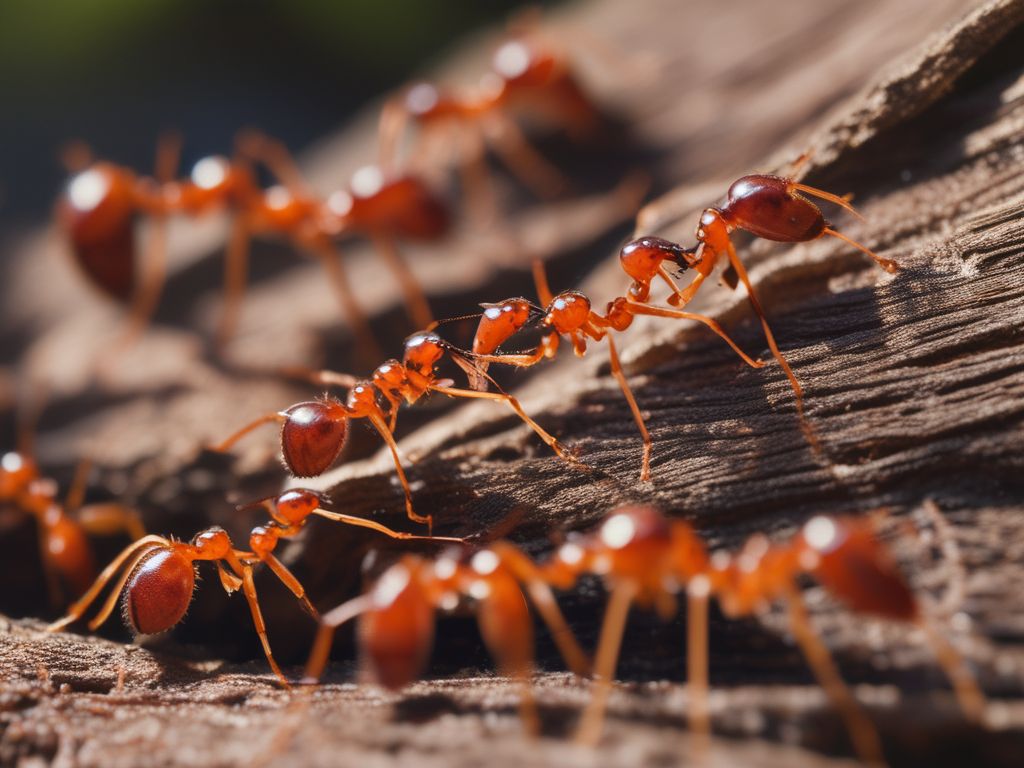
Seeing a few ants on your kitchen counter might seem like a minor inconvenience, but it's rarely just a temporary issue. Canada has over 100 species of ants, several of which are structure-infesting and structure-damaging pests that can easily take up residence in or around your home. Once these highly social insects establish a nest inside your property, a minor nuisance can quickly turn into a full-scale infestation.
At Nomore Pest, we don't just spray the individual insects you see. Our expert Toronto technicians identify the specific species and apply targeted treatments that eliminate the entire colony — queen included — at its source.
Why Ants Invade Toronto Homes and How They Multiply
Ants are social insects that live in highly organized colonies, with populations often reaching hundreds of thousands. They enter homes and commercial buildings across Toronto and the GTA looking for three things: food, moisture, and shelter.
- Easy access points: Ants get in through minuscule cracks in walls or foundations, and through the small gaps that appear where moulding or plumbing meets the structure.
- The food magnet: Foraging workers scavenge for crumbs, oil and grease spills, sugar, and other edibles found in kitchen pantries — contaminating food along the way. Sugary foods, meats, and grease are especially attractive to them.
- Invisible scent trails: Large numbers of ants invade by detecting and following an invisible trail left by scout ants the colony sent out earlier to search for food.
Common Structure-Infesting Ants We Treat in the GTA
Before an ant problem can be controlled, it's vital to know exactly which species you're dealing with. Understanding their appearance, behaviour, and nesting habits ensures the right professional control methods are used.
1. Black Carpenter Ants
- Identification: The largest of the common ant species, ranging from 6 mm up to 13 mm, usually black. Their bodies are divided into head, thorax, and abdomen, joined by a single node.
- The threat: The most common species to cause severe structural damage in Canada.
- Behaviour: Rather than eating wood, they tunnel into it to create smooth nesting chambers. Indoors, they can damage your home's structure by chewing through wood, insulation, and electrical cables while building the nest. They can also inflict painful bites if provoked.
2. Pavement Ants
- Identification: Dark brown to black and much smaller than carpenter ants, measuring around 2.5 mm to 4 mm, with two nodes joining the thorax and abdomen.
- The threat: Depending on where they nest, they can become a major indoor nuisance.
- Behaviour: They typically nest in soil under concrete slabs, driveways, sidewalks, and foundations. When nesting outdoors, their activity can significantly damage lawns and gardens.
3. Pharaoh Ants
- Identification: Tiny ants, 1.5 mm to 2 mm, typically yellow, light brown, or tan.
- The threat: A notorious indoor nuisance that is strongly drawn to foods high in protein and sugar.
- Behaviour: Pharaoh ants are exceptionally hard to remove because they have multiple queens. They've been implicated in disease transmission, making them a serious hazard in homes, hospitals, and long-term care facilities.
4. Other Nuisance Ants We Eradicate
We also provide customized professional treatments for Odorous House Ants (which give off a foul smell when crushed), Thief Ants, Argentine Ants, and invasive European Fire Ants (which inflict painful stings and inject venom, causing some people to develop inflamed skin, cramps, and headaches).
The Ant Lifecycle: Why You Must Target the Queen
Ant colonies have a strict social hierarchy: thousands of sterile female workers maintain the nest and forage for food, while the queen's sole job is to keep the colony alive by laying eggs. The lifecycle runs from egg, to larva, to pupa, to adult — and every adult (worker, queen, or drone) starts in that hidden nest.
- The struggle of DIY: Adult ants regurgitate food to feed the worm-like larvae. Because the larvae and the queen stay deep inside the nest, surface sprays only kill a few foraging workers — leaving the root of the problem completely untouched.
- Ants with wings: When a colony matures, it produces winged ants called alates (new reproductive queens and male drones). Prompted by the weather, they leave in a ritual known as a nuptial flight to mate; afterward the males die and the new queens shed their wings to start a new nest.
When to worry: Winged ants swarming indoors — especially in winter — strongly indicate an active colony nesting inside your walls or foundation. Because ant queens can live and lay eggs for decades (up to 30 years), professional intervention is necessary to fully eradicate the threat.
Preventative Actions You Can Take Today
To stop an ant invasion in its tracks, Nomore Pest recommends these sanitation and structural steps to make your home less inviting:
- Sanitation: Keep your kitchen clean. Wipe up crumbs and spills promptly, sweep floors regularly, and rinse out food containers before they go in the recycling.
- Food storage: Store all human food, pet food, and baking ingredients in tightly sealed, airtight containers.
- Exclusion: Repair visible cracks in interior and exterior walls and foundations, and keep windows, doors, and the small gaps around utility pipes properly caulked and sealed.
Reclaim Your Space with Nomore Pest
Because some ant colonies grow so quickly and build deep, unreachable nests, temporary retail traps and chemical sprays will fail. A professional service like Nomore Pest makes sure the root source is correctly identified, targeted with safe, eco-friendly treatments, and completely resolved.
If you're also seeing carpenter ants or wood damage, our ant control service covers identification, colony treatment, and prevention across the GTA.
Don't share your home with ants this season
Get an expert assessment and a targeted treatment plan that eliminates the whole colony — queen included. Same-day appointments available across Toronto and the GTA.
Or email us at info@nomorepest.ca · Toronto & the GTA