

Bed Bug Extermination Services in Toronto & the GTA
Bed bug extermination services for houses, condos, apartments and businesses across Toronto and the GTA. A careful inspection, the right treatment and a follow-up visit to make sure every bed bug is gone.
Bed Bug Extermination Services That End the Cycle
Bed bugs are one of the hardest pests to get rid of on your own. They hide in mattress seams, bed frames, baseboards and outlets. Their eggs survive most store sprays.
Our bed bug extermination services work differently. Bed bug removal in Toronto homes starts with knowing exactly where they are. We confirm where they are, treat every hiding spot and come back to catch any bugs that hatched after the first visit. That follow-up is what ends an infestation.
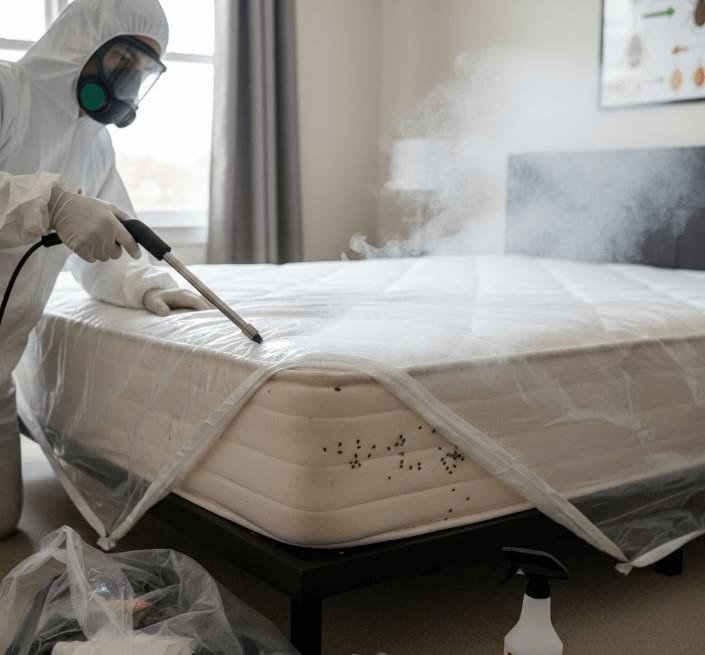
How Bed Bugs Get into Toronto Homes
Bed bugs don't fly or jump. They crawl, and they hitch rides. Toronto's busy, connected way of living gives them lots of chances.
- Travel. Bed bugs hide in suitcases and clothes after a stay in a hotel, motel or short-term rental.
- Used furniture. Second-hand mattresses, couches and bed frames are one of the most common sources.
- Shared buildings. In condos and apartments, bed bugs move between units through walls, outlets and hallways.
- Visitors. A guest's bag or coat can bring a few bugs in without anyone knowing.
- Laundry rooms and storage lockers in shared buildings.
Bed bugs have nothing to do with how clean your home is. They live on blood, not dirt. Because they spread so easily in shared buildings, bed bug control in Toronto often means checking more than one room, or more than one unit.
Signs You Need a Bed Bug Exterminator in Toronto
- Itchy bites in lines or small groups, often on arms, neck or legs
- Small dark spots on sheets or the mattress
- Tiny blood stains on pillowcases
- Shed skins or pale eggs in mattress seams
- Live reddish-brown bugs about the size of an apple seed
- A sweet, musty smell in a heavy infestation
Not everyone reacts to bites, so some people have bed bugs for weeks before they notice. Checking the seams of your mattress with a flashlight is the fastest way to know. If you find signs, call a bed bug exterminator in Toronto before the problem spreads.
Spotted any of these signs? Book a free inspection and we will find the source.
Found Bed Bugs? What to Do First
The first 24 hours matter. These steps stop the problem from spreading while you wait for treatment.
- Don't panic, and don't throw out your mattress. Most mattresses can be treated.
- Don't move to another room or the couch to sleep. Bed bugs follow you and spread to new rooms.
- Don't use store sprays or foggers. They scatter bed bugs into walls and nearby rooms.
- Catch a bug on clear tape or take a photo, so we can confirm it.
- Put bedding and clothes from the room in sealed plastic bags until you can wash them on hot.
- If you rent, tell your landlord in writing right away.
- Call us to book an inspection.
Need help fast? Book a visit or call us now.
Bed Bug Inspection
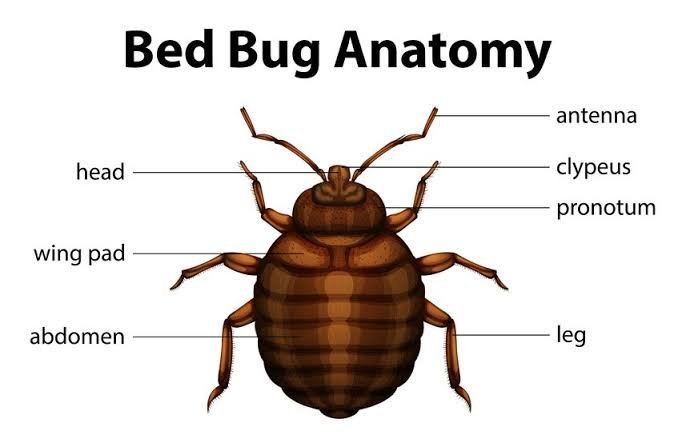
Every Hiding Spot, Checked
Every job starts with our bed bug inspection service. Our technician checks:
- Mattress seams, box springs and bed frames
- Headboards, nightstands and dressers
- Couches, recliners and upholstered chairs
- Baseboards, carpet edges, outlets and picture frames
- Closets, luggage and clutter near beds
We look for live bugs, eggs, shed skins and small dark spots. You'll know exactly how far the problem has spread and which rooms need treatment.
Bed Bug Treatment Options
Bed Bug Heat Treatment
Bed bugs and their eggs die at high temperatures. Bed bug heat treatment in Toronto homes and condos, also called thermal bed bug treatment, raises the temperature of a room, or the items in it, to a level bed bugs can't survive. It reaches places sprays can't and leaves no chemical residue.
Targeted Treatment
Health Canada-registered products are applied to cracks, crevices, bed frames, baseboards and furniture joints where bed bugs hide. Some products keep working for weeks, which helps catch bugs that hatch after the visit.
Mattress and Box Spring Encasements
Certified bed bug encasements trap any bugs inside and stop new ones from hiding in your mattress. They also make follow-up checks easier.
Why One Treatment Is Rarely Enough
Bed bug eggs are tiny and well protected. Many survive the first treatment. Here is the simple life cycle:
| Stage | How long it takes | Why it matters |
|---|---|---|
| Egg | Hatches in about 1 to 2 weeks | Eggs are hard to kill, so a follow-up catches the bugs that hatch |
| Young bed bug (nymph) | Grows into an adult in about 5 weeks, feeding along the way | Young bugs are small, pale and hard to see |
| Adult | Can live for months and lay eggs every day | One female can start a new infestation |
That's why we come back about two weeks after the first treatment. The timing catches newly hatched bugs before they can grow up and lay more eggs.
Our Bed Bug Extermination Process
Inspection
We confirm bed bugs and map every affected room.
Preparation
You get a simple checklist so the treatment can reach every hiding spot.
Treatment
We treat beds, furniture and the room with the right method for your home.
Follow-Up
We come back about two weeks later to treat any newly hatched bugs and confirm the infestation is gone.
Ready to start? Every job begins with a free inspection.
How to Prepare for Bed Bug Treatment
- Wash all bedding, linens and clothing from affected rooms in hot water, then dry on high heat for at least 30 minutes
- Put clean items in sealed plastic bags and keep them out of treated rooms until we say it's safe
- Clear clutter from floors, under beds and in closets
- Pull furniture about 30 cm (one foot) away from walls
- Empty nightstands and dressers in affected rooms
- Vacuum floors, mattresses and furniture, then seal the vacuum bag and throw it out outside
- Don't move items from affected rooms to other rooms, or you may spread bed bugs
- Plan to stay out of treated rooms for the time your technician gives you
What to Expect After Treatment
- You may still see a few bed bugs for a week or two. That's normal. Bugs that hatch from eggs or come out of hiding touch the treated surfaces and die.
- Keep sleeping in your own bed. It draws any surviving bugs out to the treated areas.
- Don't vacuum or wash treated baseboards and furniture joints until your technician says it's fine.
- Keep using the bags for clean clothes until the follow-up visit is done.
- Write down any new bites or sightings and share them at the follow-up.
- If you have encasements, keep them on for at least a year.
Bed Bugs in Apartments and Condos
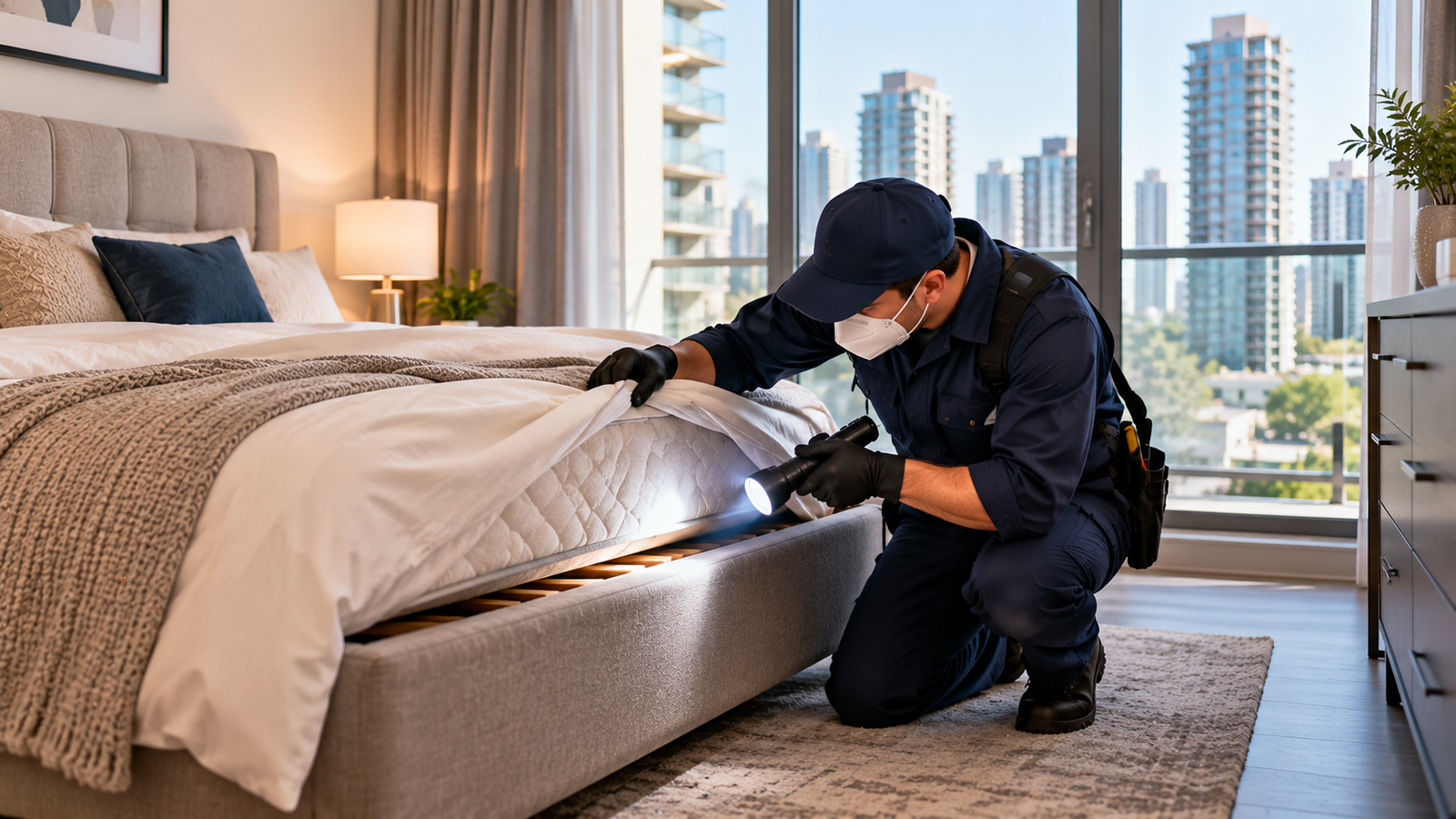
Treating One Unit Is Rarely Enough
In buildings with many units, bed bugs travel between units through walls, outlets and hallways. Treating one unit while the neighbour next door still has them often leads to them coming back.
In Ontario, landlords are responsible for keeping rental units in good repair and for paying for bed bug treatment. Tenants should report bed bugs quickly and get their unit ready as asked. Landlords must give proper written notice before entering a unit for treatment. We work with tenants, landlords and property managers, and we can inspect nearby units to stop the spread. Pest control for apartment buildings
Bed Bug Extermination Services for Businesses
Commercial bed bug treatment for hotels, short-term rentals, shelters, retirement homes and offices needs to be fast and quiet. We inspect quickly, treat affected rooms and nearby rooms, and give you written reports for your records.
Why a Pest Control Service for Bed Bugs Beats Store Sprays
Most bed bug sprays kill only the bugs they touch. They don't reach bugs hiding deep in furniture or walls, and they don't kill eggs. Many bed bug populations are also resistant to common products. Spraying often pushes bed bugs into other rooms, which makes the professional treatment bigger and more expensive. A professional bed bug exterminator treats every hiding spot and comes back for the eggs.
How to Avoid Bringing Bed Bugs Home
- When you travel, check the hotel mattress seams and headboard before you unpack
- Keep your suitcase on a luggage rack or in the tub, not on the bed or floor
- When you get home, unpack right away and wash travel clothes on hot
- Check second-hand furniture closely before you bring it in, and skip used mattresses
- In shared laundry rooms, carry clothes in a sealed bag and fold them at home
- Use bed bug encasements on mattresses if you live in a large building
How Much Does Bed Bug Treatment Cost?
The cost of bed bug treatment depends on how many rooms are affected, the size of the home, the treatment method and how many follow-up visits are needed. The bed bug treatment price for heat treatment is usually higher than for targeted product treatment, because of the equipment and time involved. We'll inspect first and give you a written quote. Treating early is always cheaper than waiting.
Get a written quote before any work starts. The inspection is free.
Service Area
Bed bug extermination services across Toronto, Mississauga, Vaughan, Scarborough, North York and Etobicoke.
Bed Bug Extermination FAQs
It depends on how many rooms are affected and which method is used. The inspection shows the real size of the problem, and you'll get a written quote before treatment.
Most homes need a first treatment and at least one follow-up about two weeks later. Eggs that survive the first visit hatch in that window, and the follow-up catches them.
Yes, once the treated areas are dry and your technician says it's safe, usually after a few hours. Sleeping in your own bed actually helps, because any surviving bugs come out and touch the treated surfaces.
Usually not. Most mattresses can be treated and then covered with a certified bed bug encasement. We'll tell you if a mattress or piece of furniture is too damaged to save.
With our bed bug extermination services, a typical apartment or room-by-room treatment takes a few hours. Plan to stay out of treated rooms for the time your technician recommends.
In Ontario, the landlord is responsible for the cost of bed bug treatment. Tenants need to report the problem and help with prep. If a landlord doesn't act, tenants can contact the Landlord and Tenant Board.
No. Bed bugs feed on blood, not dirt. They show up in clean homes and fancy hotels alike, usually brought in on luggage, clothing or furniture. Clutter does make them harder to treat.
Each has strengths. Heat kills all life stages in one visit without residue, while some products keep working for weeks after. Many cases are best handled with both. We'll recommend what fits your home.
Make sure they're licensed in Ontario, inspect before they quote, give you a prep checklist, include a follow-up visit and put everything in writing. Be careful with anyone who quotes a price without seeing the problem.
They can, but it's less common. Bed bugs prefer places where people sleep or sit for a long time. If you find them at home, check your car seats and work bag too.
Adult bed bugs can live for months without a meal, especially in cooler rooms. That's why leaving a room empty for a while doesn't get rid of them.
Bed bugs aren't known to spread disease. Bites can itch, and scratching can lead to skin infections. Some people lose sleep or feel very anxious. If bites look infected or you have a strong reaction, see a doctor or pharmacist.
Get Rid of Bed Bugs for Good. Book Your Inspection Today.
Thorough inspection, the right treatment and a follow-up visit to catch every hatchling.
Licensed & insured · Toll-free 800-461-1827 · Toronto & the GTA