

Termite Control & Treatment in Toronto
Termite control in Toronto: licensed inspection, treatment and monitoring for homes and businesses. We confirm the activity, treat the colony and keep checking until it's gone.
Termite Control in Toronto: Why Termites Are a Local Problem
Most of Canada never has to think about termites. Toronto is different. Eastern subterranean termites have lived in parts of the city for decades, mostly in older neighbourhoods with big trees, older wooden structures and places where wood touches the soil.
These termites live underground. They travel up into homes through mud tubes they build along foundation walls. They eat wood from the inside out, so the damage can stay hidden for years. By the time a floor feels soft or a door frame crumbles, the colony is usually well settled.
That's why termite control in Toronto starts with a proper inspection, not a guess, and why picking an experienced termite exterminator matters.
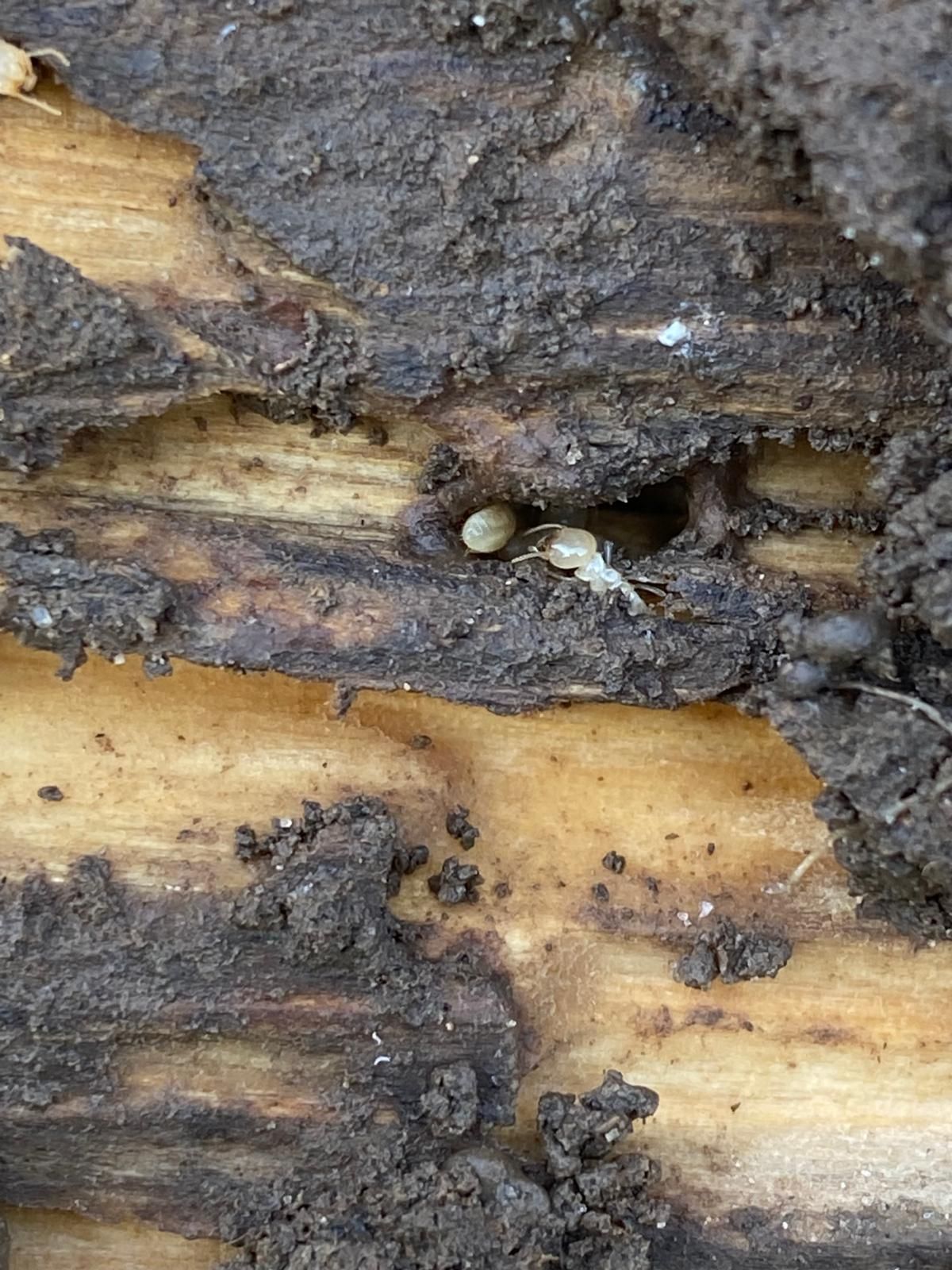
What Termites Look Like
Most people never see a termite, because they stay inside wood and soil. If you do see one, here's how to tell.
- Workers are small, soft and creamy white, about the size of a grain of rice. They look a bit like pale ants.
- Swarmers are dark brown or black with two pairs of long, see-through wings of the same length. They come out in spring, often near windows or in the basement.
- Soldiers are like workers but with a larger, darker head and strong jaws.
Swarmers are the ones homeowners notice most. A swarm inside the house in spring is a strong sign the colony is close by.
Signs You Need a Termite Inspection
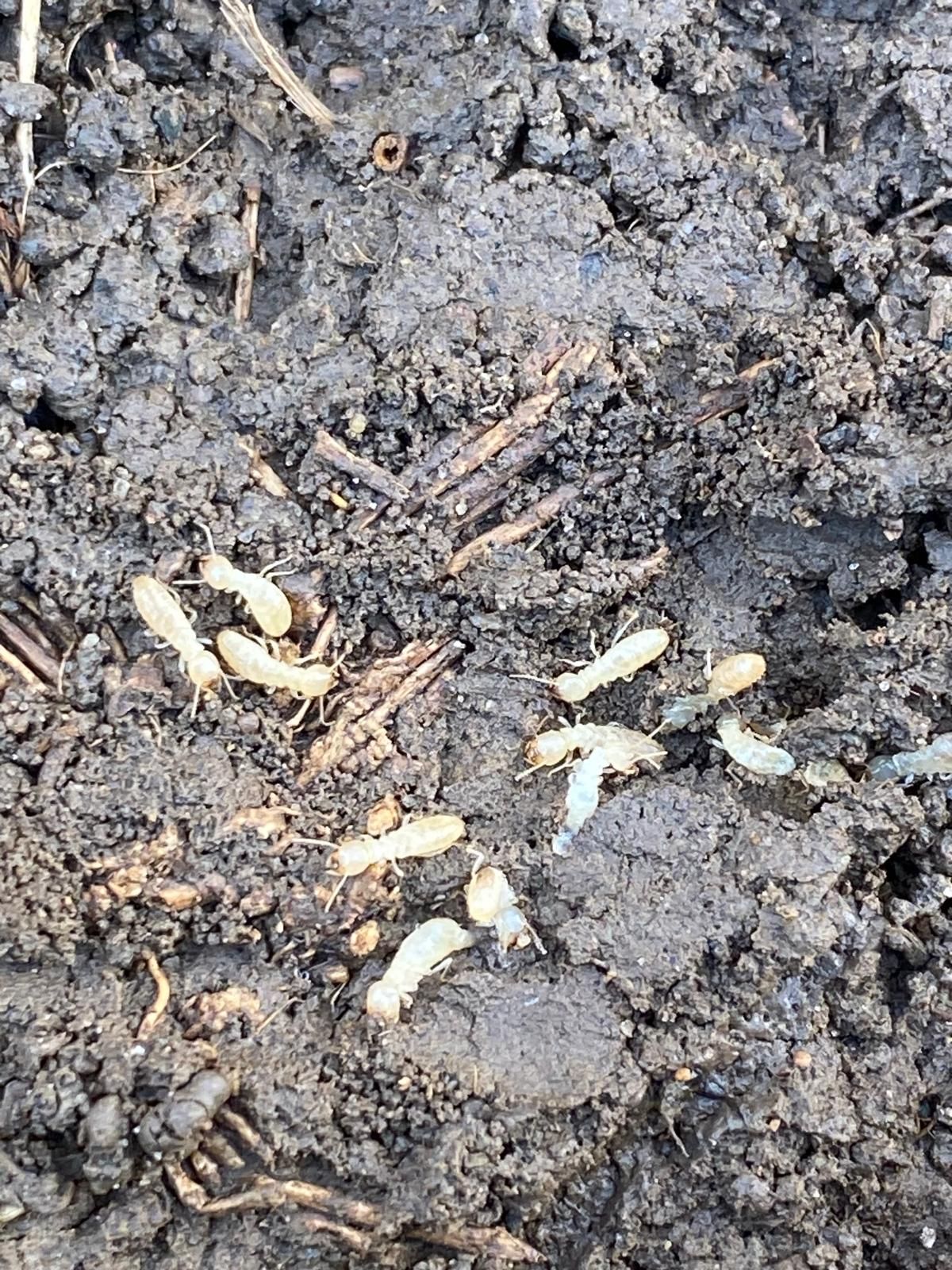
What to Look For
- Mud tubes, about the width of a pencil, on foundation walls, sill plates or basement posts
- Wood that sounds hollow when you tap it, or crumbles when you press it
- Bubbling or blistered paint, or floors that feel spongy
- Winged insects swarming inside in spring, usually near windows or the basement
- Small piles of dropped wings on windowsills
- Damp, damaged wood in the basement or crawlspace
- Doors or windows that suddenly stick, because the frame has shifted
Not sure if it's termites or carpenter ants? Carpenter ants leave clean tunnels and piles of sawdust. Termites leave mud and soil inside the wood. See carpenter ant control, or read termites vs carpenter ants, termite mud tubes and signs of termites in Toronto.
Spotted any of these signs? Book a free inspection and we will find the source.
What Attracts Termites to a Home
Termites need three things: soil, moisture and wood. When all three meet, your home is at risk.
- Wood that touches the soil, like deck posts, fence posts, porch steps or door frames
- Firewood, lumber or wood mulch stacked against the house
- Leaking downspouts and eavestroughs that keep the soil next to the foundation wet
- Damp basements and crawlspaces with poor airflow
- Old tree stumps and buried wood near the house
- Cracks in the foundation that give termites a hidden path inside
Fixing these doesn't kill a colony, but it makes your home much less inviting and helps treatment last longer.
Termite Inspection Service
A termite inspector from Nomore Pest checks the full foundation inside and out, the basement, crawlspace, sill plates, porches, decks, fences and any wood touching the soil. We look for mud tubes, damaged wood, moisture problems and anything that invites termites.
You get a clear report: whether termites are active, where they are, how far the damage goes and which treatment we recommend. We also do termite inspections for home buyers and sellers.
Want to know what to expect? Read what happens during a termite inspection.
Termite Pest Control and Treatment Options
The right termite pest control method depends on where the colony is, how much activity there is and how your home is built. Often we combine more than one.
Termite Baiting Systems
Bait stations are put in the soil around the home. Worker termites feed on the bait and carry it back to the colony. Over time, this shrinks and can wipe out the colony. Baiting is slower, but it goes after the colony itself and keeps working as a monitoring system.
Liquid Termiticide Barrier
A registered termiticide is applied to the soil along the foundation. It creates a treated zone termites can't cross without contact. This protects the house and stops termites already inside from getting back to the soil.
Spot and Foam Treatment
For active areas inside walls, door frames or wood beams, we inject treatment right where termites are feeding.
Moisture and Wood-to-Soil Fixes
Termites need moisture and a path to wood. We'll show you what to change: wood touching the soil, leaking downspouts, damp crawlspaces, firewood against the house. These fixes make every treatment last longer.
Our Termite Control Process in Toronto
Inspection
We confirm termite activity and map where it is.
Treatment Plan
You get a written plan and quote, with the method and timeline explained.
Treatment
Licensed technicians apply the baiting, barrier or spot treatment.
Monitoring and Follow-Up
We come back to check stations and confirm the activity has stopped.
Ready to start? Every job begins with a free inspection.
Why You Need a Termite Exterminator, Not a DIY Product
Store sprays and foams kill the termites they touch. A colony can have many thousands of termites living deep underground, and a spray never reaches them. Spraying can also push termites to a new spot in the house, which makes them harder to find.
Termite control in Ontario also involves products and methods that need a licensed exterminator. For a pest that can damage the frame of your home, a professional inspection is the safest first step.
Tried store sprays and the problem keeps coming back? Let a licensed exterminator handle it.
Termites vs Carpenter Ants
| Termites | Carpenter ants | |
|---|---|---|
| Body | Straight waist, straight antennae | Pinched waist, bent antennae |
| Wings (swarmers) | Two pairs of the same length | Front wings longer than back |
| Damage | Tunnels packed with mud and soil | Smooth, clean tunnels |
| Signs | Mud tubes on walls | Sawdust piles (frass) |
Buying or Selling an Older Home in Toronto
If you're buying an older home, especially one with a wood porch, an old basement or a lot of mature trees, a termite inspection is a smart step before you close. A standard home inspection may not include a detailed termite check.
We look for active termites, old damage and conditions that could invite them later. You get a written report you can share with your realtor or lawyer. If you're selling, an inspection ahead of time helps you avoid surprises during the sale.
How Much Does Termite Treatment Cost?
Termite control costs in Toronto depend on the size of the home, how much activity we find, the treatment method and the monitoring period. Baiting systems usually include ongoing monitoring, which affects the price. The inspection is free, and you'll get a written quote before any work begins. For a deeper breakdown, read termite treatment cost in Toronto.
Get a written quote before any work starts. The inspection is free.
Termite Prevention Checklist
- Keep at least 15 cm (6 inches) between soil or mulch and any wood siding
- Move firewood and lumber away from the house and off the ground
- Point downspouts away from the foundation
- Fix leaks and improve airflow in damp basements and crawlspaces
- Remove old stumps and buried wood near the house
- Use treated wood or concrete footings for decks and fence posts
- Book a yearly inspection if you live in an area with known termite activity
Commercial Termite Control
We also inspect and treat commercial and multi-unit properties, including older buildings with wood framing, porches and basements.
Termite Control FAQs
Yes. Eastern subterranean termites live in parts of Toronto, mostly in older areas. They're rare in most of Canada, which is why many homeowners don't expect them. That's why termite control in Toronto always starts with an inspection.
Look at the damage. Termites leave mud-filled tunnels and mud tubes on walls. Carpenter ants leave clean tunnels and piles of sawdust. If you're not sure, book an inspection and we'll confirm.
Liquid barrier and spot treatments start working right away. Baiting systems take longer because termites have to find and share the bait, often several weeks to a few months. Termite removal is not a one-day job, and we keep monitoring until activity stops.
Yes. We use Health Canada-registered products, applied by licensed technicians, mostly in the soil or inside wood, not on surfaces you touch. We'll tell you if any area needs to be kept clear.
Many home insurance policies in Ontario exclude damage caused by insects, including termites. Check with your insurer. Catching termites early is the best way to keep repair costs down.
Yes. A termite inspection before buying an older Toronto home can save you from expensive surprises.
If you live in an area with known termite activity, once a year is a good rule. If you've had treatment, follow your monitoring schedule.
They could be termites or flying ants. Both swarm in spring. Termite swarmers have straight bodies and wings of equal length. Flying ants have a pinched waist and a longer front pair of wings. Save a few in a sealed bag or take a clear photo, and we'll identify them.
It depends on the method. Liquid barriers protect the treated soil for years, and baiting systems keep working as long as they're monitored. Fixing moisture and wood-to-soil contact helps any treatment last longer.
Yes. Termite colonies live underground and can feed on more than one property. If termites are found on your street, it's a good idea for nearby homes to get checked too.
Think You Have Termites? Book a Termite Inspection Today.
Licensed technicians, a clear written report and a treatment plan that targets the colony.
Licensed & insured · Toll-free 800-461-1827 · Toronto & the GTA