Restaurant & Food Industry Pest Control in Toronto
Food-safe restaurant pest control for Toronto restaurants, commercial kitchens, grocery stores, bakeries and food processors across the GTA. The right treatment, quiet service and records ready for your next inspection.
Restaurant and Food Industry Pest Control in Toronto
Every restaurant and food business in Toronto is inspected by Toronto Public Health under the DineSafe program. Depending on the type of business, that's one to three inspections a year. A rodent or insect problem without an effective method of pest control is one of the most serious things an inspector can find. It can lead to a closure, and DineSafe results are posted online for anyone to see.
That's why restaurant pest control is not a once-a-year spray. It's a regular program that keeps pests out, catches problems early and shows inspectors that you have it under control. Nomore Pest builds that program around your kitchen, your hours and your menu.

How DineSafe Inspections Work
Here is a simple version of the three results an inspector can give, based on the City of Toronto's DineSafe page:
| Result | What it means | What happens next |
|---|---|---|
| Pass | No problems, or only small ones | Small issues must be fixed before the next inspection |
| Conditional pass | One or more serious problems were found | They must be fixed within 24 to 48 hours, when the inspector comes back |
| Closed | A health hazard was found and not fixed right away | The business stays closed until every problem is fixed and it gets a Pass |
Pests are listed by the City as an example of the most serious kind of problem. The best defence is a program that stops pests early and a logbook that proves it.
Inspection coming up? Get your kitchen checked and your records in order.
Early Warning Signs in a Kitchen
Train your staff to watch for these. Catching them early is the difference between a quick visit and a failed inspection.
- Small dark droppings along walls, in dry storage or under equipment
- Chewed bags, boxes or food packaging
- Cockroaches when the lights come on at night or early in the morning
- Tiny brown egg cases behind fridges, in motor housings or under shelves
- Small flies around drains, the bar or recycling bins
- Small moths or beetles in flour, rice, spices or dry goods
- Grease marks or rub marks along walls near the floor
- A musty, oily smell in storage areas
Spotted any of these signs? Book a free inspection and we will find the source.
What a Restaurant Pest Control Visit Covers

Every Area Where Pests Hide, Feed or Get In
A restaurant visit covers every place where pests hide, feed or get in:
- The cook line, under equipment and behind fridges and fryers
- The dish area and floor drains
- Dry storage, walk-in coolers and freezers
- The bar, servery and dining room
- The receiving door and loading area
- Garbage, recycling and grease storage
- The outside of the building, including gaps around pipes and vents
We treat active problems, place monitors and bait stations, record what we find and tell your manager what to fix. Visits can be after close, so service never gets in the way of a shift.
Food Processing and Food Warehouse Pest Control
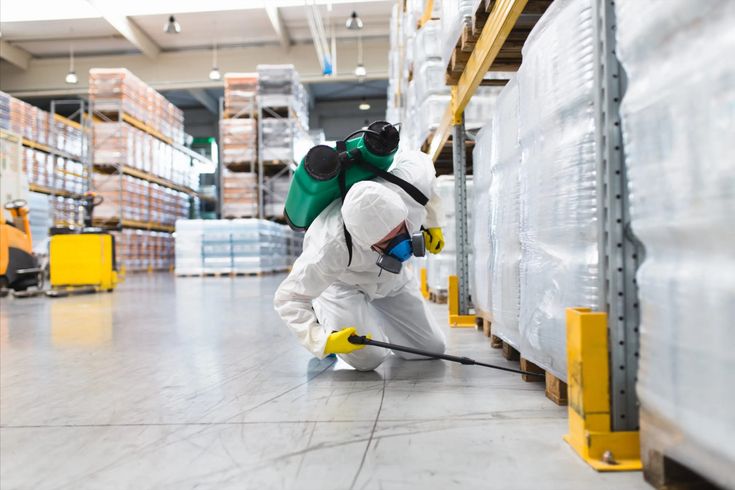
Food processing pest control is a different job from a restaurant visit. Food plants and warehouses deal with more than mice and roaches. Stored-product pests like Indian meal moths and flour beetles can spread through incoming stock. Flies are a constant risk near production areas.
Food businesses licensed under the Safe Food for Canadians Regulations also need a written preventive control plan that covers pest control, and the Canadian Food Inspection Agency (CFIA) checks it. We set up monitoring outside and inside, check receiving areas, track activity over time and help your team fix what attracts pests. Programs can be built to support pest control for food audits by third parties.
Ready to start? Every job begins with a free inspection.
Commercial Kitchen Pest Control and Other Food Businesses
- Commercial kitchens in hotels, hospitals and institutions
- Grocery store pest control and food retail
- Bakery and café pest control
- Catering and commissary kitchens
- Ghost kitchens and food courts
Common Pests in Toronto Food Businesses
| Pest | Where we usually find it | Why it matters |
|---|---|---|
| German cockroaches | Behind equipment, in motor housings, under dish areas | Breed fast and spread germs onto food-contact surfaces |
| Mice and rats | Dry storage, basements, around garbage areas | Droppings and chewing are an instant inspection problem |
| Fruit flies and drain flies | Drains, bar areas, recycling | Breed in build-up inside drains that you can't see |
| Stored-product pests | Flour, grains, spices, dry goods | Spread through stock and lead to thrown-out product |
| Ants | Prep areas, around sugar and syrups | Hard to remove without finding the colony |
Cockroach control for restaurants relies on gel baits and growth regulators, not sprays. Learn more on our cockroach pest control page.
HACCP and Audit Support
If your business runs a HACCP plan or is getting ready for a third-party audit, pest control is one of the first programs checked. Our HACCP pest control program includes:
- A written pest control program for your site
- A device map with every monitor and bait station numbered
- A service logbook with every visit, finding and treatment
- Activity trend reports
- Clear fixes, and a note when they're done
- Product details for every treatment, with Health Canada registration numbers
- Technician licence information
Food Safety Pest Control Methods
We never spray over food or food-contact surfaces. Our methods are picked for food spaces:
- Gel baits and bait stations placed away from food and out of staff's way
- Crack-and-crevice treatment right where pests live
- Insect growth regulators that stop cockroaches from breeding
- Traps and monitors for rodents indoors
- Sealing work to close entry points
- Drain cleaning advice for fly problems
Daily and Weekly Prevention Checklist for Staff
Good pest control is a team effort. These habits keep pests from settling in between our visits.
Daily
- Sweep and mop under equipment, not just around it
- Empty garbage and recycling, and keep lids closed
- Clean floor drains and the bar drain
- Store food off the floor and in sealed containers
- Keep the back door closed when you're not receiving
Weekly
- Pull out movable equipment and clean behind it
- Check dry storage for damaged bags and use the oldest stock first
- Check door sweeps and screens for gaps
- Report any sightings to your manager and to us
What to Do if an Inspector Finds Pests
A conditional pass under DineSafe means the problem has to be fixed within 24 to 48 hours. If that happens:
- Call us right away. We'll try for a same-day visit.
- We inspect, treat the active problem and find the source.
- You get a written service report showing what was done, ready for the re-inspection.
- We set up a follow-up visit and a prevention plan so it doesn't happen again.
Need help fast? Book a visit or call us now.
Our Food Industry Pest Control Program
- Site assessment of the whole operation, inside and out
- A written program with visit frequency, device map and scope
- Quiet, food-safe treatment scheduled around your hours
- Monitoring, reporting and follow-up after every visit
What Restaurant Pest Control Costs
Most restaurants pay a fixed monthly fee. The price depends on:
- The size of the kitchen and storage areas
- How many monitors and bait stations you need
- How often we visit, usually monthly or twice a month
- Whether you have an active problem that needs a clean-out first
- After-hours scheduling The site assessment is free and you get a written proposal before anything is signed. Compared to a closure, lost food or a bad review, a regular program is the cheaper choice.
Get a written quote before any work starts. The inspection is free.
Restaurant and Food Industry Pest Control FAQs
Yes. We use Health Canada-registered products that are allowed in food premises. We apply them only where pests live and never spray over food or food-contact surfaces. We'll tell your staff if any area needs cleaning or needs to stay clear after a visit.
Yes. You'll have a service report for every visit, plus a device map and activity log on file. That's the proof of an effective pest control program an inspector looks for.
Most restaurants need a visit at least once a month. Busy kitchens, older buildings or places with past problems may need twice a month.
Yes. Call us and we'll put you first in line, treat the problem and give you a report showing what was done.
Yes. Most food clients like early morning or after-close visits, so service never gets in the way of a shift.
German cockroaches, mice and fruit or drain flies are the most common. Rats show up more in older buildings and near laneway garbage areas.
It's usually a fixed monthly fee based on the size of the kitchen, the number of devices and how often we visit. We'll give you a written proposal after a free site assessment.
Almost never. Most treatments are baits and targeted work that can be done after close or before you open. If an area needs to stay clear for a short time, we'll tell you in advance.
Yes. Pests often travel through shared walls, basements and garbage rooms. We'll note if the source seems to be outside your space, and we can work with your landlord or property manager on a building-wide plan.
Stay calm and don't spray it with a store product. Write down the time and place, take a photo if you can and call us. Store sprays can push roaches deeper into equipment and make our baits less effective.
Keep Your Kitchen Inspection-Ready.
Book a free site assessment for your restaurant or food business. Food-safe treatment, discreet visits and records ready for Toronto Public Health.
Licensed & insured · Toll-free 800-461-1827 · Toronto & the GTA