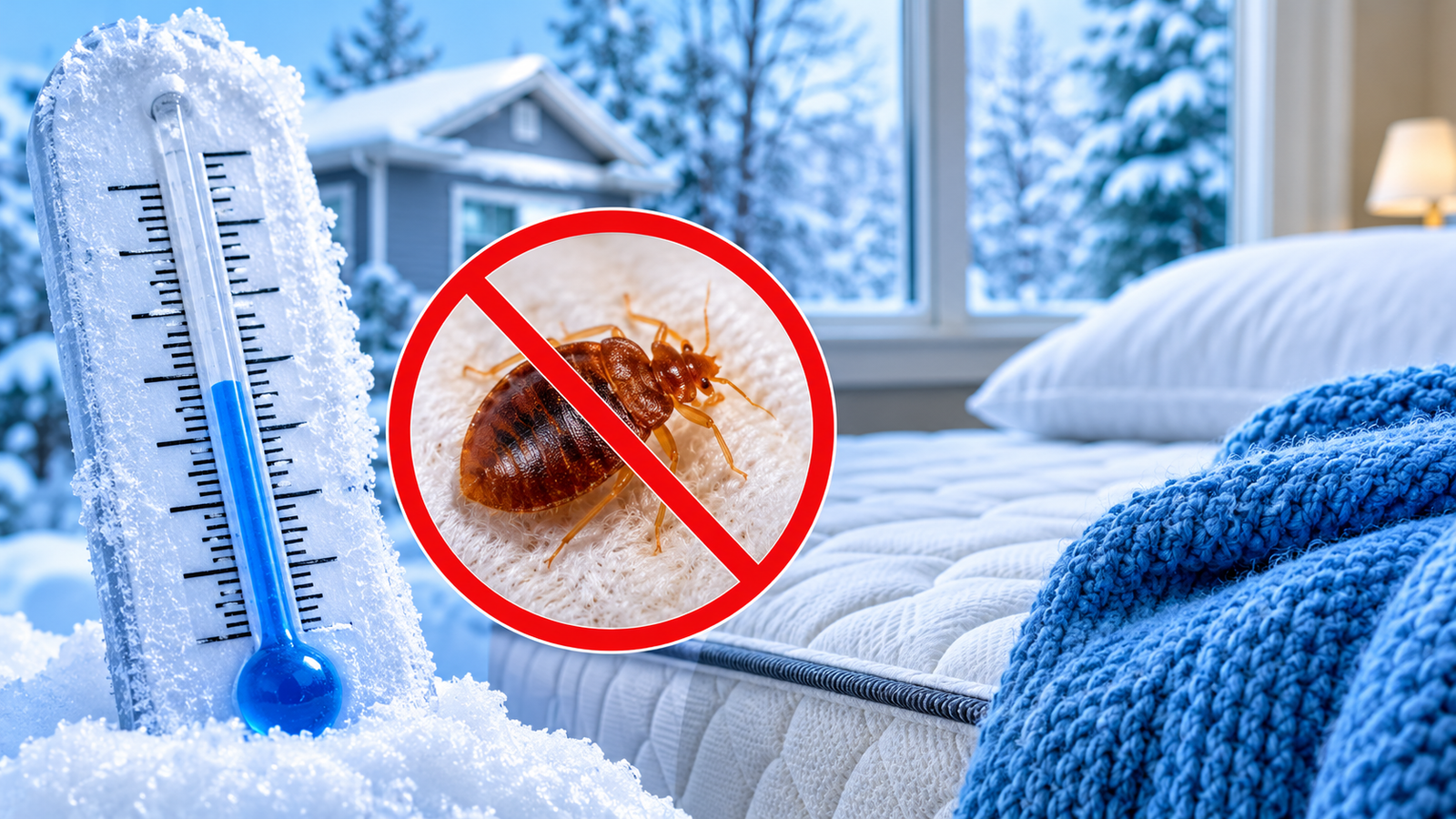
Every winter, people in Toronto ask the same question: if it's −20°C outside, can't you just put the mattress on the balcony or the couch in the garage and let the cold do the work? It's a reasonable idea, and cold can kill bed bugs. But it takes much lower temperatures, for much longer, than most people expect, and an Ontario winter rarely cooperates.
This guide explains how cold affects bed bugs, the exact temperatures and times research says are needed, how to freeze items safely at home, and why winter alone won't solve an infestation.
Quick Answer: Does Cold Kill Bed Bugs?
- Yes, but slowly. Research from the University of Minnesota found that 80 hours at −16°C killed all bed bug life stages.
- Colder works faster. Below −20°C, it took about 48 hours.
- Short cold snaps don't work. Eggs survived brief exposures as low as −25°C.
- Health Canada's guidance is −19°C for four days in a row, and even that may not kill every bug.
- A home freezer can work for small items. Leaving furniture outside in winter is unreliable.
What Temperature Kills Bed Bugs?
The most useful research on this comes from a 2013 study by Joelle Olson and colleagues at the University of Minnesota, published in the Journal of Economic Entomology. They found that bed bugs can survive brief freezing temperatures, but can't survive long ones.
| Temperature | Time needed to kill all life stages | Source |
| −16°C | About 80 hours (3.3 days) | Olson et al., 2013 |
| −17.8°C (0°F) | At least 3.5 days | Olson et al., 2013 |
| Below −20°C | About 48 hours | Olson et al., 2013 |
| −19°C | Four days in a row; may not kill every bug | Health Canada |
| −18°C (0°F) | Four days in a sealed bag | US EPA |
| Brief exposure to −25°C | Eggs survived | Olson et al., 2013 |
The pattern is clear: it's the combination of very low temperature and a long, unbroken stretch of time that kills bed bugs. A cold night, or even a cold weekend, isn't enough.
Does Winter Kill Bed Bugs?
No. Bed bugs live indoors, close to people, in heated homes. Whether it's −5°C or −25°C outside, the inside of your mattress and bed frame stays at room temperature. Bed bugs stay active all year round in Ontario, and winter doesn't slow down an indoor infestation.
In fact, cool conditions can help bed bugs wait out a quiet period. University of Kentucky entomologists note that bed bugs can survive potentially a year or longer without feeding at temperatures of about 13°C (55°F) or lower. A cold cottage or an unheated storage unit can keep bed bugs alive rather than killing them.
Can You Put Furniture Outside in an Ontario Winter?
It's tempting, but it's unreliable for several reasons:
- Temperatures don't stay low enough for long enough. Even in a cold Toronto winter, outdoor temperatures rise and fall between day and night. Holding −16°C or colder, without a break, for three or four days straight is uncommon.
- Furniture insulates the bugs. The inside of a mattress, box spring or upholstered couch takes much longer to cool than the outside air, and bugs hide deep inside.
- Garages, balconies and porches are warmer than the air. Heat leaks from the building, and sun on a balcony can warm items during the day.
- Eggs are the toughest stage. They survived brief exposures to −25°C in the Minnesota study.
- Moving infested furniture spreads bugs. Carrying a mattress through hallways, elevators and stairwells can drop bugs along the way, which is a real problem in apartments and condos.
- Snow and moisture damage furniture. Mattresses and upholstery left outside can get wet and mouldy.
Leaving items in a cold car has the same problem: the temperature inside rises whenever the sun is out.
How to Freeze Small Items Safely
A home freezer is the one practical way to use cold against bed bugs. It works for small items that can't go in a hot dryer, such as shoes, books, small electronics without batteries or screens, jewellery, stuffed toys and delicate fabrics.
- Check your freezer temperature with a thermometer. The US EPA notes that home freezers aren't always as cold as their settings suggest. You want −18°C (0°F) or colder.
- Bag items in sealed plastic bags in the room where they were, so bugs can't escape during the move. Bagging also protects items from moisture.
- Don't overfill the freezer. Items need to cool all the way through, and a packed freezer cools slowly.
- Leave items in for at least four days. Larger or denser items may need longer to cool to the centre.
- Let items warm up inside the bag before opening it to avoid condensation.
- Check for bugs before bringing items back into a treated room.
Don't freeze items that can be damaged by cold or moisture, such as phones, laptops, liquids in glass containers or anything with an LCD screen.
Cold vs Heat: Which Works Better?
| Cold | Heat |
| Temperature needed | About −16°C to −20°C | Bed bugs die at 50°C (Health Canada) |
| Time needed | Two to four days, unbroken | Minutes to hours, depending on method |
| Practical at home for | Small items in a freezer | Clothes and bedding in a dryer; steam on seams |
| Works on furniture? | Not reliably | Professional heat treatments heat whole rooms |
For clothing and bedding, heat is faster and more reliable. Health Canada recommends washing in hot water and drying on the hottest setting, with at least 30 minutes in a hot dryer for items you can't wash. Steamers that reach 100°C or more kill bed bugs and eggs on contact on mattresses and upholstery.
Do Professionals Use Cold?
Some do. Health Canada lists pressurized carbon dioxide snow among the methods professionals may use. It's a targeted spot treatment that freezes bugs on contact in cracks and seams. It's usually one part of a treatment plan rather than the whole plan, because it only affects what it touches.
What Actually Gets Rid of Bed Bugs in Winter
Winter changes nothing about how bed bugs are treated, because they're indoors and warm. A typical approach:
- Wash and dry bedding and clothing on high heat
- Freeze small items that can't be heated
- Vacuum and steam mattress seams, bed frames and furniture
- Encase the mattress and box spring
- Monitor with interceptor traps under the bed legs
- Get professional treatment for the bed, furniture and room, with a follow-up visit for eggs that hatch later
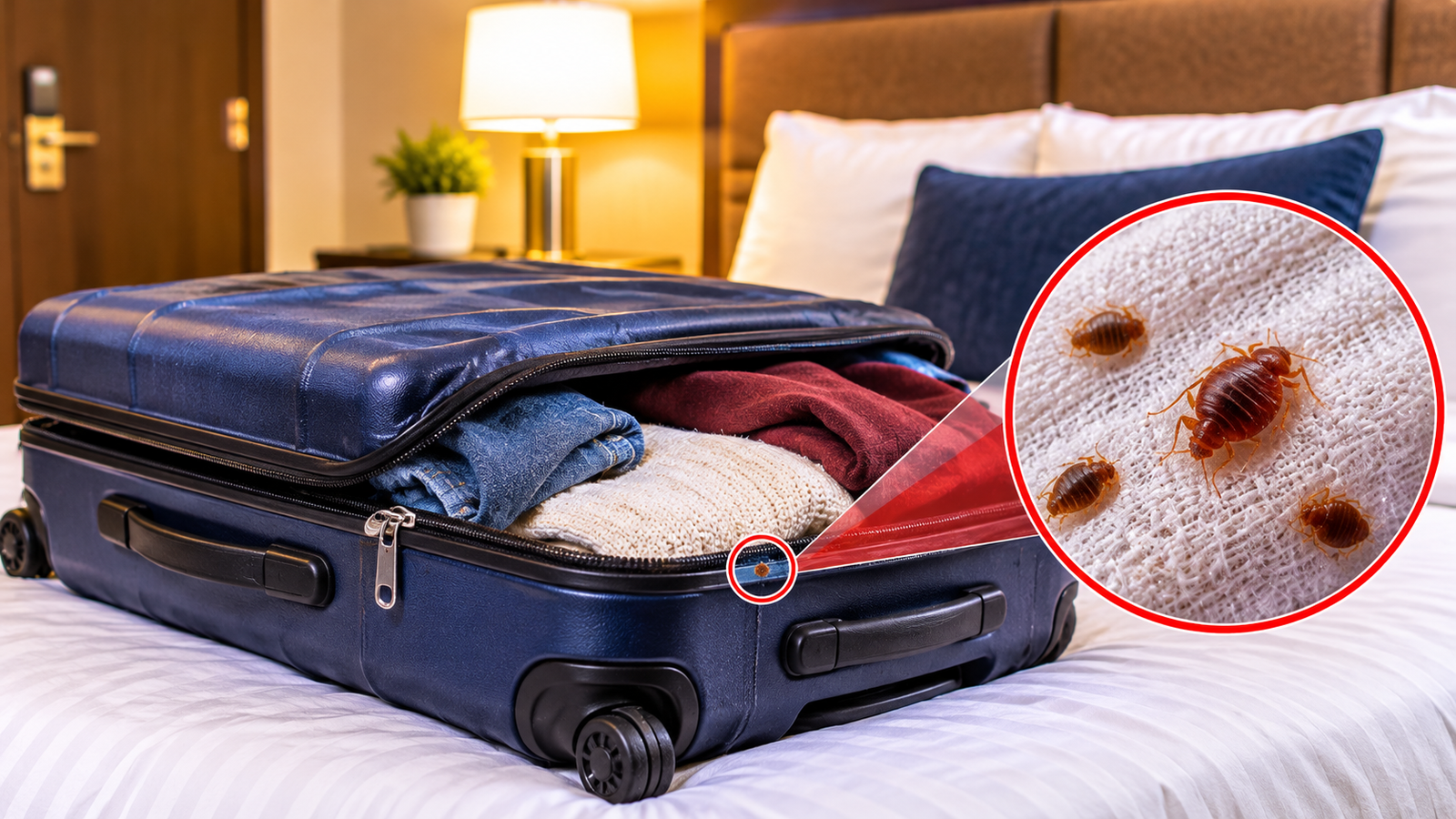
The holidays are also a busy time for travel and visitors in the GTA. Check luggage when you get home, and wash travel clothes hot right away.
When to Call a Professional
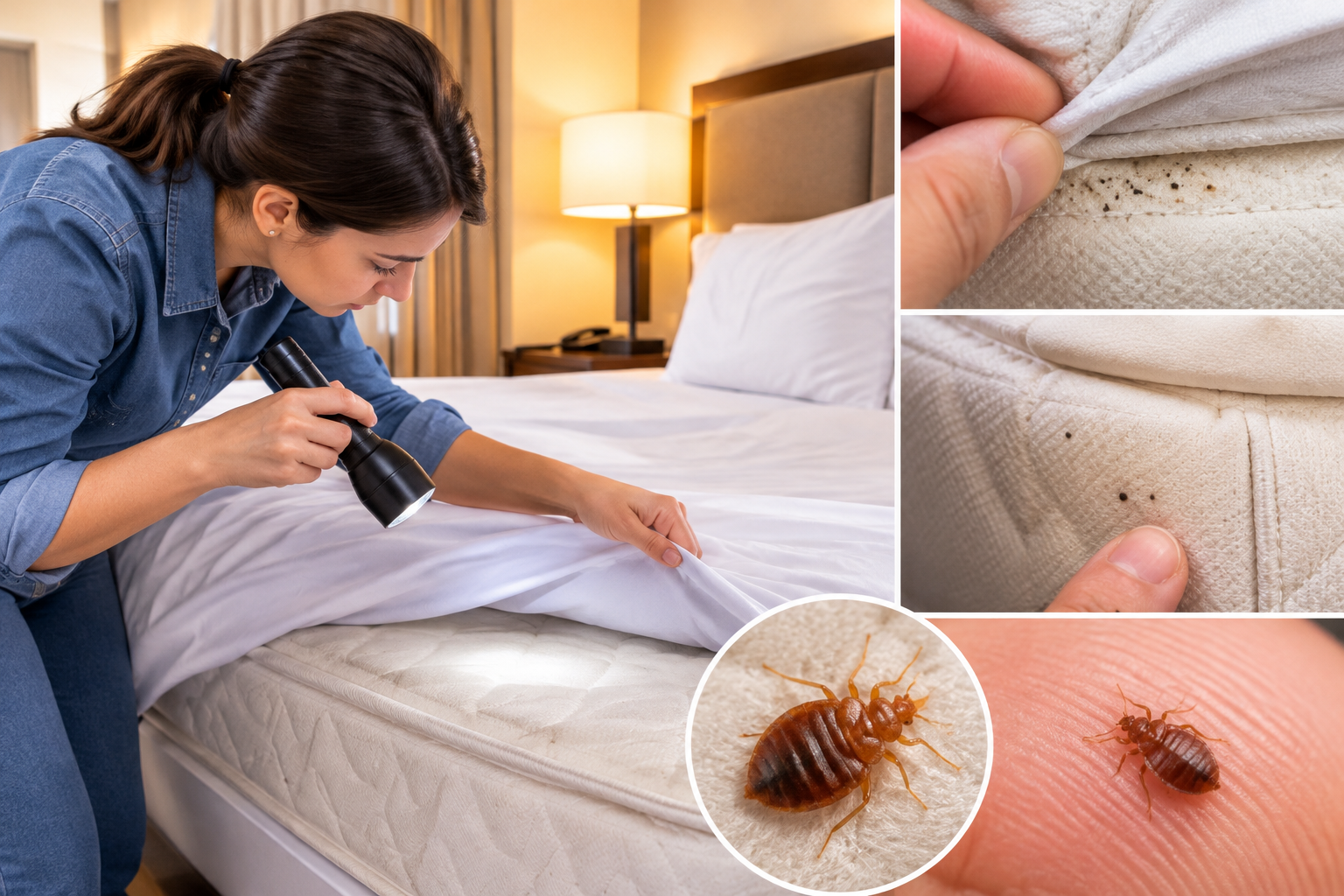
- You've found live bed bugs, eggs, shed skins or fecal spots
- You were planning to put furniture outside to freeze it
- You live in an apartment or condo with shared walls
- You've tried DIY methods and the bites or signs keep coming back
How Nomore Pest Treats Bed Bugs Year-Round
Bed bugs don't take winter off, and neither do we. Our licensed technicians inspect the bed, furniture and room to confirm bed bugs and find where they're hiding. We use proven bio and chemical treatments that target every life stage, including eggs, with a follow-up inspection built into every plan.
We serve homes, apartments and businesses across Toronto, Mississauga, Vaughan, Scarborough, North York and Etobicoke.. Before you drag a mattress onto the balcony, book a free bed bug inspection.
Conclusion
Cold does kill bed bugs, but only with a steady −16°C to −20°C or colder for two to four days. Eggs can survive short cold snaps. Ontario winters don't kill indoor bed bugs, and putting furniture outside is unreliable because temperatures swing and furniture insulates the bugs. A home freezer works well for small items, heat is better for clothing and bedding, and the bed, furniture and room usually need professional treatment.
Dealing with bed bugs this winter? Call Nomore Pest at 800-461-1827 or 437-922-2705, or email info@nomorepest.ca for a free bed bug inspection anywhere in Toronto and the GTA.
Frequently asked questions
What temperature kills bed bugs in the cold?
University of Minnesota research found that 80 hours at −16°C killed all bed bug life stages, and below −20°C it took about 48 hours. Health Canada recommends −19°C for four days in a row. Short cold snaps don't work; eggs survived brief exposure to −25°C.
Does winter kill bed bugs in Ontario?
No. Bed bugs live indoors in heated homes, so outdoor temperatures don't reach them. They stay active all year, and an Ontario winter won't reduce an indoor infestation.
Can I leave my mattress outside in winter to kill bed bugs?
It's not reliable. Outdoor temperatures swing between day and night, the inside of a mattress stays warmer than the air, and bed bugs need several days of steady, deep cold. Moving an infested mattress can also spread bugs through your building.
How long do I need to freeze items to kill bed bugs?
At least four days at −18°C (0°F) or colder in sealed plastic bags. Check your freezer with a thermometer, don't overpack it, and give larger items extra time so they cool all the way through.
Is cold or heat better for killing bed bugs?
Heat is faster and more practical for most items. Bed bugs die at 50°C, and a dryer on its hottest setting kills them in clothing and bedding in about 30 minutes. Cold works for small items that can't be heated, but it takes days.
Do bed bugs survive in a cold, empty home?
They can. University of Kentucky entomologists note bed bugs can survive a year or longer without feeding at around 13°C or cooler. Leaving a cottage or apartment unheated and empty is more likely to keep bed bugs alive than kill them.
Got a pest problem? Don't wait.
Book a professional inspection across Toronto & the GTA and get peace of mind, backed by a licensed & insured local team.
Or email us at info@nomorepest.ca · Toronto & the GTA