One of the first questions people ask after finding bed bugs is "where did they come from?" It's an understandable worry, and the answer is usually reassuring: bed bugs aren't caused by a dirty home. They're hitchhikers that ride in on luggage, furniture, bags and clothing, and they can turn up anywhere people sleep or sit for long periods.
This guide explains how bed bugs get into homes, how they move once they're inside, whether they can jump or fly, how long they survive without feeding, and how to lower your risk.
Quick Answer: How Do You Get Bed Bugs?
- Travel: they hide in luggage and clothing in hotels, motels, short-term rentals and on buses or trains.
- Second-hand items: used mattresses, bed frames, couches and furniture can carry bugs and eggs.
- Visitors and bags: backpacks, coats, purses and laptop bags can carry them in from someone else's home.
- Neighbouring units: in apartments and condos, bed bugs can move between units through walls, hallways and shared spaces.
- Not dirt: bed bugs feed on blood, not food or garbage, so a clean home can still get them.
What Brings Bed Bugs Into Your Home?
Bed bugs don't fly or jump in from outside. They're carried in. HealthLinkBC notes that bed bugs can hitch a ride on clothing, backpacks, luggage and books, and warns that second-hand furniture and bedding are a risk.
Travel
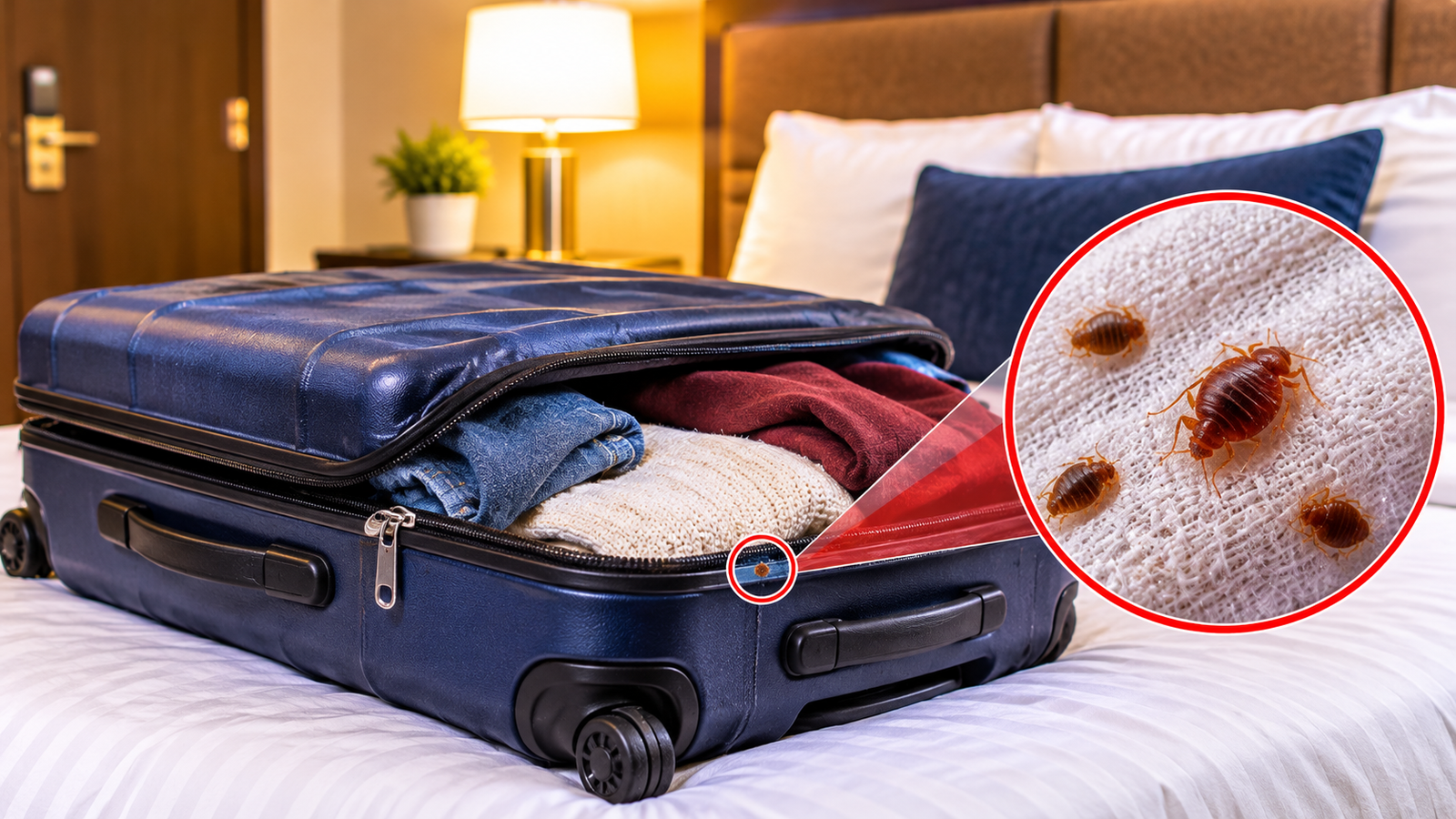
Hotels, motels, hostels and short-term rentals see a constant stream of guests and luggage. A bed bug can crawl into a suitcase left on the bed or floor, or into clothes left out overnight, and ride home with you. Overnight buses, trains and planes carry a smaller but real risk.
Used furniture and mattresses
A used bed, couch, nightstand or dresser can carry adult bugs and eggs glued into seams and joints. Items left on the curb are especially risky, because they may have been thrown out because of bed bugs. HealthLinkBC advises inspecting second-hand items yourself rather than relying on the seller's word.
Visitors, bags and everyday items
Guests, house sitters, movers, family members and children coming home from sleepovers can carry a bed bug or two in a bag or coat without knowing it. So can items like rented furniture, library books or electronics that spent time in an infested home.
Neighbouring units
In multi-unit buildings, bed bugs can travel between apartments through wall voids, around pipes and electrical lines, under doors and along hallways. A 2016 Rutgers University study of 2,372 apartments in 43 low-income buildings in New Jersey found about 12% were infested, and half of the residents with infestations didn't know they had them. The researchers noted that bed bugs spread easily from one apartment to the next, through residents and through infested furniture.
Are Bed Bugs a Sign of a Dirty Home?
No. Bed bugs feed only on blood. They don't eat crumbs, garbage or food, so cleanliness doesn't attract them. Luxury hotels, new condos and spotless homes can all get bed bugs.
Clutter is different. It doesn't bring bed bugs in, but it gives them more places to hide and makes them harder to find and treat. HealthLinkBC recommends keeping clutter down for this reason.
How Do Bed Bugs Find You?
Bed bugs are drawn to the carbon dioxide we breathe out, along with body heat. Rutgers University entomologists describe carbon dioxide as the primary attractant for bed bugs. That's why they settle where people sleep or sit still for long periods, like beds, couches and recliners, and why they mostly feed at night.
They also use chemical signals to find each other and gather in the same hiding spots. That's why you often find bed bugs in clusters, along with fecal spots, eggs and shed skins in one place.
Can Bed Bugs Jump or Fly?
No. Bed bugs have no working wings, and their legs aren't built for jumping. HealthLinkBC describes them as wingless insects. They crawl, and they're fairly quick over short distances on fabric, wood and paper. They struggle on smooth, slippery surfaces like glass and polished plastic, which is why interceptor traps work.
If a small bug jumped, it was more likely a flea. If it flew, it may have been a beetle or another insect.
How Far Do Bed Bugs Travel?
Most bed bugs stay within a few metres of where people sleep, hiding in the mattress, bed frame and nearby furniture. As an infestation grows, or when they're disturbed by sprays or bug bombs, they spread to other furniture, rooms and, in apartments, neighbouring units. Moving infested furniture through a building can drop bugs along the way.
How Long Can Bed Bugs Live Without Feeding?
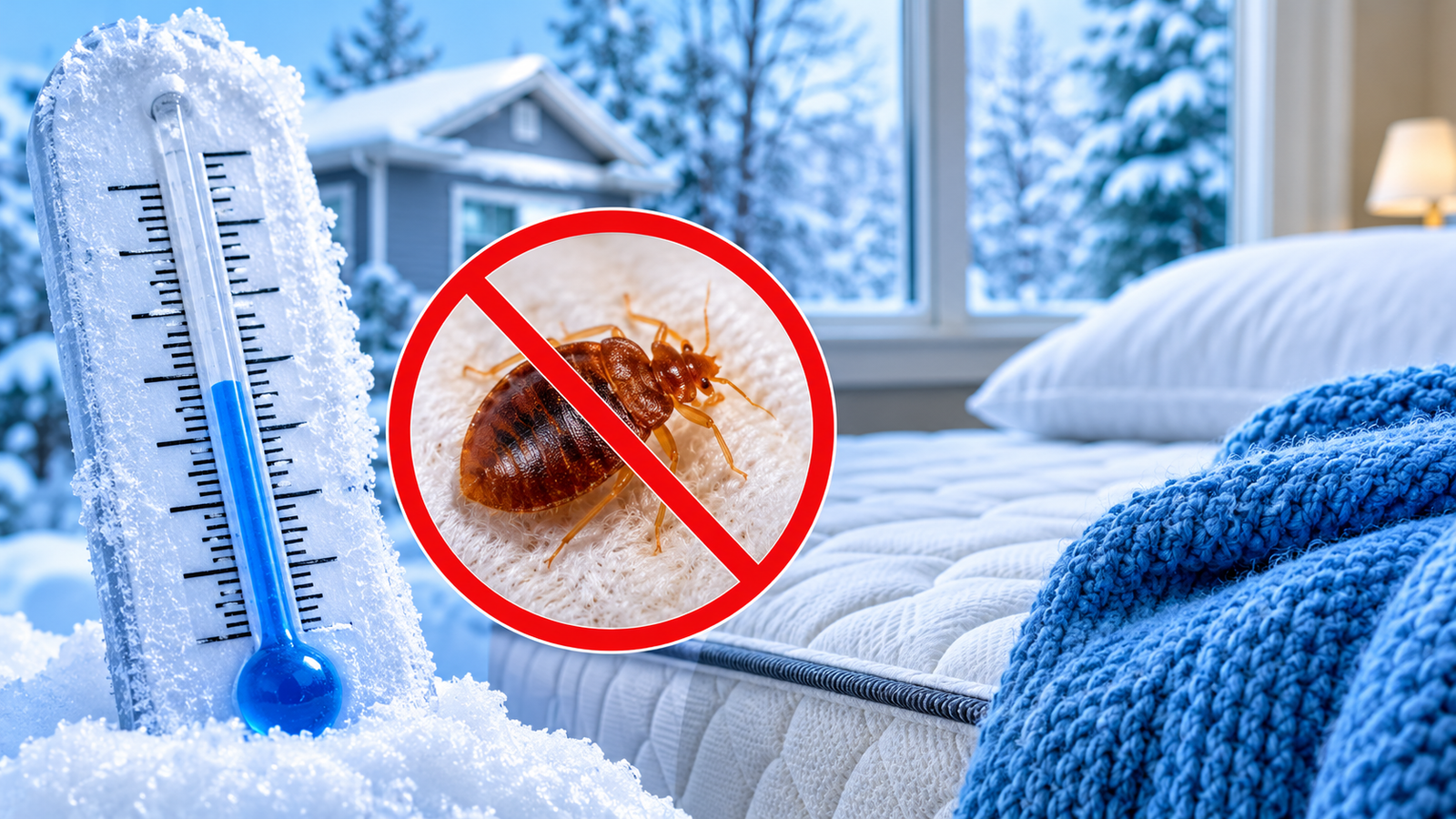
Much longer than most people expect. University of Kentucky entomologists note that nymphs and adults can survive for months without feeding, and potentially a year or longer at temperatures of about 13°C (55°F) or below. That's why:
- Leaving a home or room empty for a few weeks won't starve them out.
- Stored furniture, boxes and luggage can still carry live bed bugs months later.
- A cold, unheated cottage or storage unit can keep bed bugs alive rather than killing them.
Can Bed Bugs Live Outside?
Not for long on their own. Bed bugs depend on people for blood and on sheltered hiding spots near where people rest. Outdoors, without a host, they don't establish the way ants or beetles do. They can survive for a while in places like vehicles, outdoor furniture or items left outside, which is how they can be picked up from curbside furniture.
Some close relatives, like bat bugs and swallow bugs, live with bats and birds in attics and under eaves, and they're sometimes mistaken for bed bugs.
Do Bed Bugs Have a Smell?
Heavy infestations can produce a musty, sweetish odour, but University of Kentucky entomologists note it's seldom noticeable except in extreme cases. By the time you can smell bed bugs, there are usually plenty of visible signs. Don't rely on smell to check for them, and there's no proven home method to "disrupt their scent" and keep them away.
How to Lower Your Risk
When travelling
- Keep luggage off the bed and floor; use the luggage rack or bathroom.
- Check the mattress seams and headboard area when you arrive.
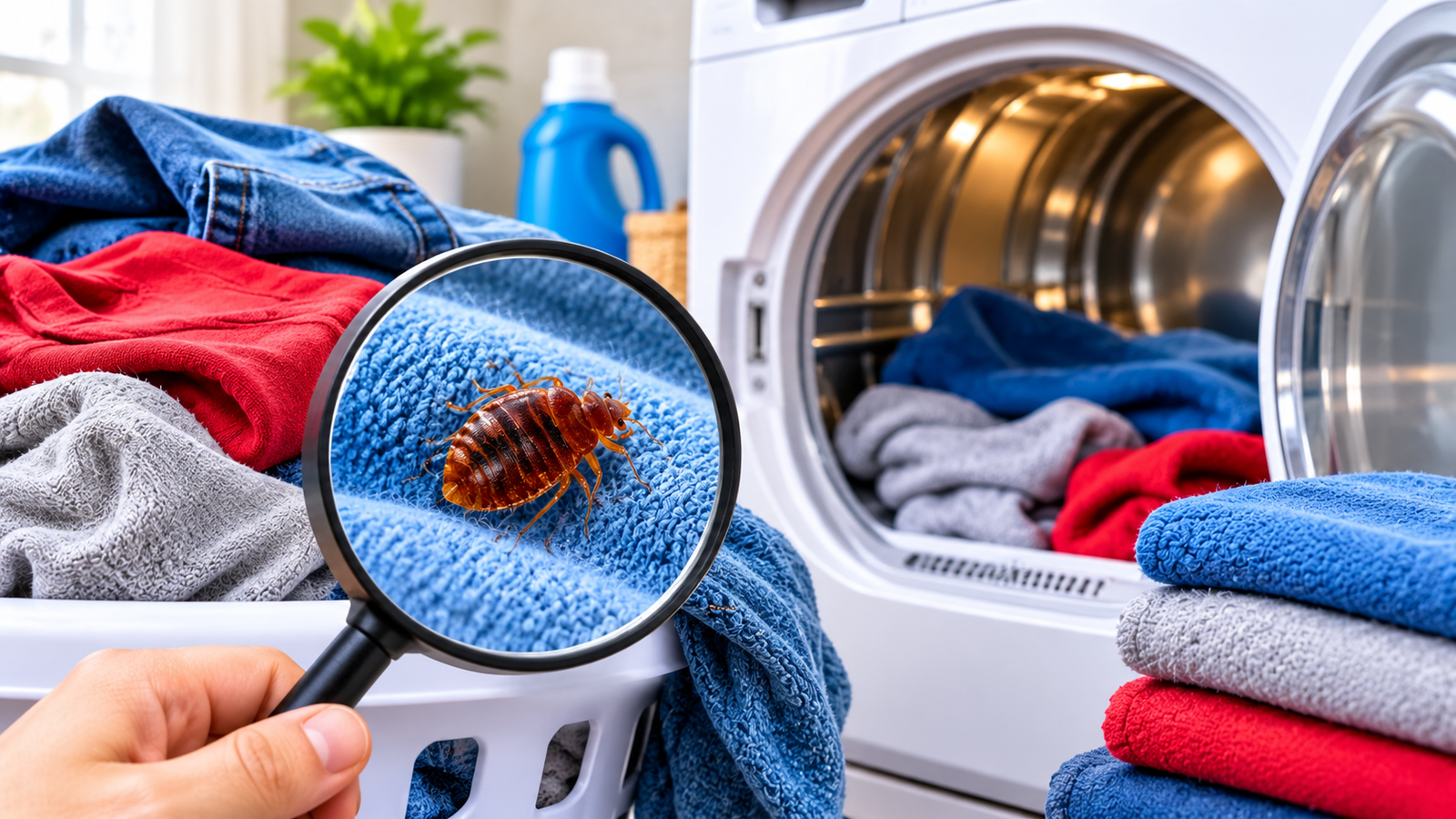
- When you get home, unpack outside the bedroom and put clothes straight into a hot dryer for at least 30 minutes.
With second-hand items
- Avoid curbside mattresses and upholstered furniture.
- Inspect used furniture thoroughly, outside the home, before bringing it in.
- Ask for new mattresses to be sealed for delivery, and check delivery trucks don't carry old mattresses alongside new ones.
At home
- Reduce clutter around beds and couches.
- Use mattress and box spring encasements.
- Seal cracks in bed frames, baseboards and walls, and tighten loose outlet covers, as HealthLinkBC recommends.
- In apartments, check your mattress seams and bed frame regularly, and report any signs to your landlord quickly.
Think You've Brought Bed Bugs Home?
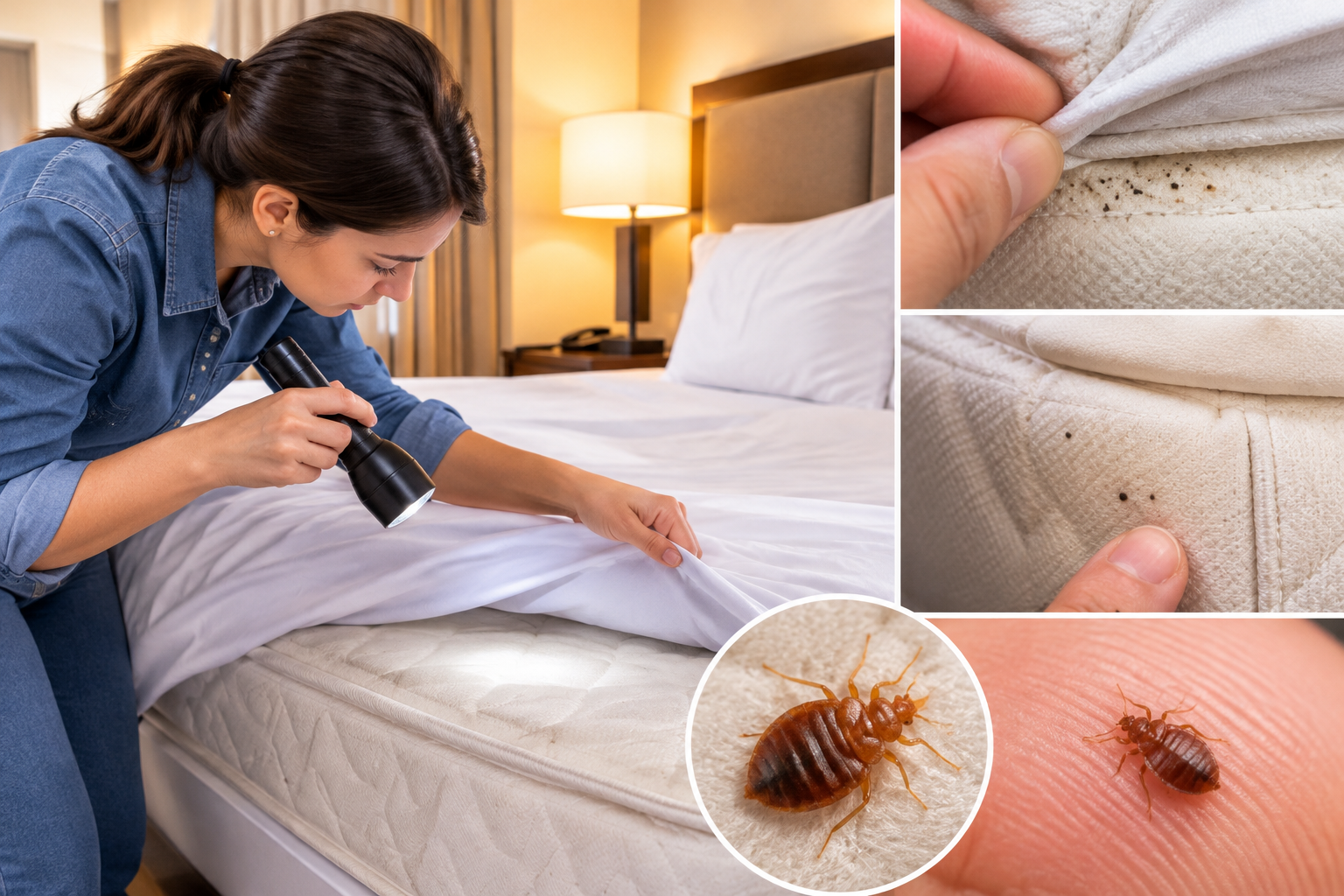
- Check the bed, couch and any new or second-hand items for live bugs, fecal spots, shed skins and eggs.
- Wash and dry clothes and bedding on high heat.
- Put interceptor traps under the bed legs to monitor.
- Keep sleeping in your own bed so you don't spread them.
- Book a professional inspection if you find any signs.
How Nomore Pest Can Help
Our licensed technicians inspect the bed, furniture and room to confirm bed bugs and find where they're hiding. We use proven bio and chemical treatments that target every life stage, including eggs, with a follow-up inspection built into every plan.
We serve homes, apartments and businesses across Toronto, Mississauga, Vaughan, Scarborough, North York and Etobicoke.. If you think bed bugs came home with you, book a free bed bug inspection.
Conclusion
You get bed bugs by carrying them in, not by having a dirty home. They hitchhike in luggage, bags, clothing and second-hand furniture, and move between units in apartment buildings. They can't jump or fly, they find people by following carbon dioxide, and they can survive for months without feeding. Careful travel habits, checking used items and catching problems early are the best protection.
Worried you've brought bed bugs home? Call Nomore Pest at 800-461-1827 or 437-922-2705, or email info@nomorepest.ca for a free bed bug inspection anywhere in Toronto and the GTA
Frequently asked questions
What causes bed bugs?
Bed bugs are carried in, usually in luggage, clothing, bags or second-hand furniture, or they move in from a neighbouring unit. They're not caused by dirt or poor hygiene, because they feed only on blood.
Can bed bugs jump?
No. Bed bugs have no working wings and can't jump. They crawl. A tiny bug that jumps is more likely a flea.
How long can bed bugs live without food?
Months. University of Kentucky entomologists say nymphs and adults can survive months without feeding, and potentially a year or longer at around 13°C or cooler. Leaving a home empty for a few weeks won't starve them out.
Can bed bugs come from a neighbour's apartment?
Yes. In multi-unit buildings, bed bugs can move between units through wall voids, around pipes and wiring, under doors and along hallways. A Rutgers study found about 12% of apartments in the buildings surveyed were infested, and half of affected residents didn't know.
Can bed bugs live outside?
Not for long on their own. They depend on people for blood and stay near where people rest. They can survive for a while in vehicles, outdoor furniture and items left outside, which is how curbside furniture can carry them.
Do bed bugs smell?
Heavy infestations can have a musty, sweetish odour, but University of Kentucky entomologists say it's seldom noticeable except in extreme infestations. Look for visible signs instead: fecal spots, shed skins, eggs and live bugs.
Got a pest problem? Don't wait.
Book a professional inspection across Toronto & the GTA and get peace of mind, backed by a licensed & insured local team.
Or email us at info@nomorepest.ca · Toronto & the GTA