Bed bugs don't care whether a hotel has one star or five. They travel with guests and their luggage, so any hotel, motel, hostel or short-term rental can have them. The good news is that a quick check when you arrive, plus a few simple habits during your stay, makes it much less likely you'll bring any home.
This guide gives you a step-by-step hotel room check that takes about five minutes, what to do if you find something, and how to protect your home when you get back.
Quick Checklist
- Put your luggage in the bathroom (on the tile, away from the walls) before you inspect.
- Pull back the sheets at the head of the bed and check the mattress seams and corners.
- Check the box spring corners and the bed frame if you can see them.
- Look along the edges and back of the headboard.
- Check the luggage rack, nightstand drawers and any upholstered chairs.
- If everything looks clean, use the luggage rack, away from the bed and wall.
What You're Looking For
| Sign | What it looks like |
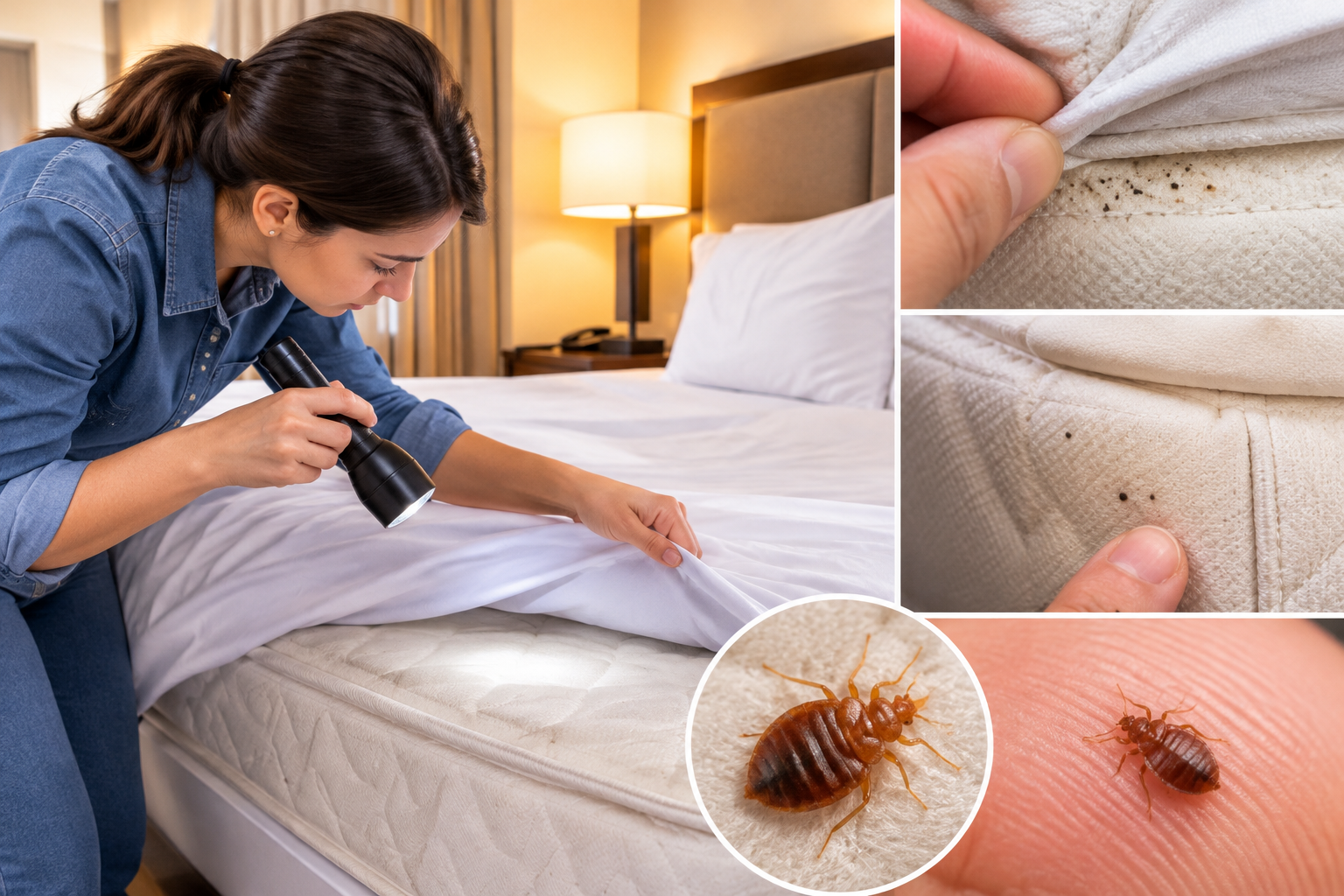
| Live bed bugs | Flat, oval, reddish-brown bugs about the size of an apple seed; pale nymphs as small as a pinhead |
| Fecal spots | Clusters of tiny black dots along seams and edges that look like ink or marker dots |
| Shed skins | Empty, light brown, bug-shaped casings |
| Blood smears | Small rust-coloured spots on sheets or pillowcases |
| Eggs | Tiny pearl-white ovals about 1 mm long, glued into seams and cracks |
Fresh hotel linens are changed every stay, so the mattress, box spring and headboard are where signs are most likely to show.
What to Bring
- A flashlight. Your phone light works. The US EPA recommends using a flashlight for the inspection.
- A few large zip-top or plastic bags for dirty laundry and shoes.
- Optional: a hard-shell suitcase, which has fewer seams and pockets for bugs to hide in.
Step-by-Step: How to Check a Hotel Room
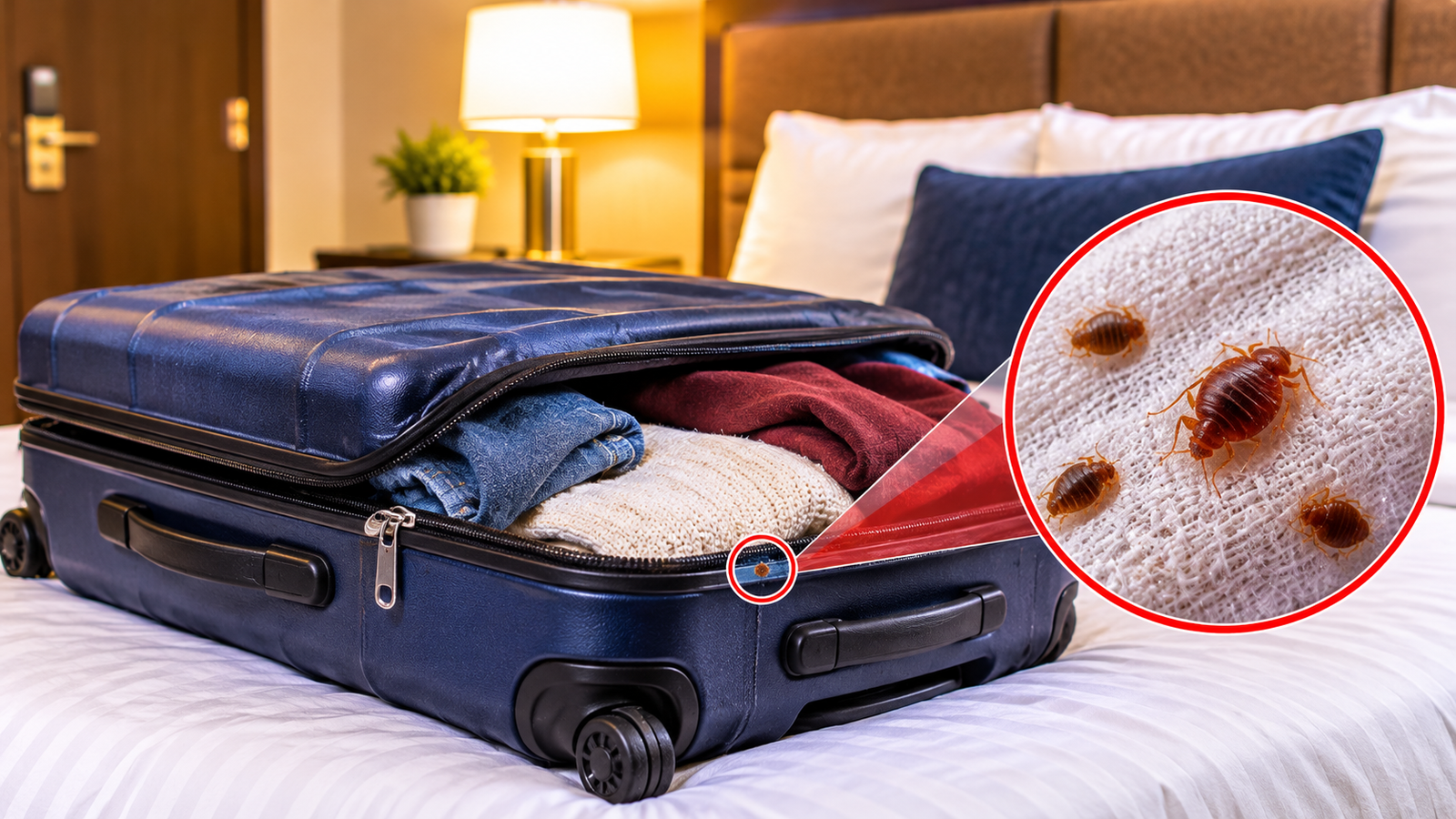
Step 1: Park your luggage in the bathroom
Before you unpack or put anything on the bed, set your suitcase in the bathroom, ideally on the tile floor or in a dry bathtub. Bed bugs are less likely to be there, and they struggle to climb smooth surfaces. Keep it away from the bed and upholstered furniture until you've checked the room.
Step 2: Check the mattress
Pull the sheets and mattress protector back at the head of the bed, where bed bugs usually gather because that's closest to where people breathe. Shine your light along:
- The seams and piping around the top edge
- The corners, especially at the head of the bed
- Any tags, tufts or stitching
Look for black dots, shed skins or live bugs. Check both sides of the head of the bed.
Step 3: Check the box spring and bed frame
If you can lift a corner of the mattress, look at the top edges and corners of the box spring. Check where the frame or platform meets the mattress, and any visible joints or cracks.
Step 4: Check the headboard
Headboards are a common hiding spot, especially when they're mounted to the wall right behind the bed. Shine your light along the edges and, if you can see behind it without moving it, look along the back and the gap against the wall. Don't try to pull a wall-mounted headboard off; ask staff if you have concerns.
Step 5: Check the rest of the room
- Luggage rack: the EPA specifically recommends inspecting luggage racks, including straps and joints.
- Nightstand drawers: look in the corners and joints.
- Upholstered chairs and sofas: check seams and under cushions, especially if they're near the bed.
- Closet: a quick look before hanging clothes.
Step 6: Set up your luggage safely
If the room looks clear, the EPA recommends using the luggage rack rather than setting your luggage on the bed or floor, and keeping it away from the bed. Pull the rack a little away from the wall too.
During Your Stay
- Keep your suitcase zipped when you're not using it.
- Don't put clothes or bags on the bed, upholstered chairs or carpet.
- Seal dirty laundry in a plastic bag. A 2017 University of Sheffield study published in Scientific Reports found that bed bugs were about twice as likely to gather on bags of worn clothing as on clean clothing. The researchers recommended keeping dirty laundry in sealed bags when travelling.
- Keep coats and bags off the bed. Hang them in the closet or use a hook.
- Pay attention to new bites. If you wake up with itchy bumps in a line or cluster, check the bed again.
What to Do If You Find Bed Bugs
- Don't unpack. Keep your luggage in the bathroom or on the hard floor away from the bed.
- Take photos of what you found, with a coin or card for scale, and capture a bug on clear tape if you can.
- Tell the front desk right away and show them the evidence.
- Ask for a different room, ideally not next to, above or below the one you're in, since bed bugs can spread through walls and between adjacent rooms. Check the new room the same way.
- Inspect your luggage and anything you put down in the room before moving.
- Consider changing hotels if signs are widespread or staff don't take it seriously.
Short-Term Rentals, Cottages and Hostels
The same check applies anywhere you sleep away from home: short-term rentals, cottages, cabins, hostels, dorms and friends' guest rooms. Places with frequent guest turnover and shared bedding, like hostels, deserve a careful look. Also check sofa beds and fold-out couches, which often get less attention than regular beds.
When You Get Home
The US EPA recommends a few simple steps after any trip:
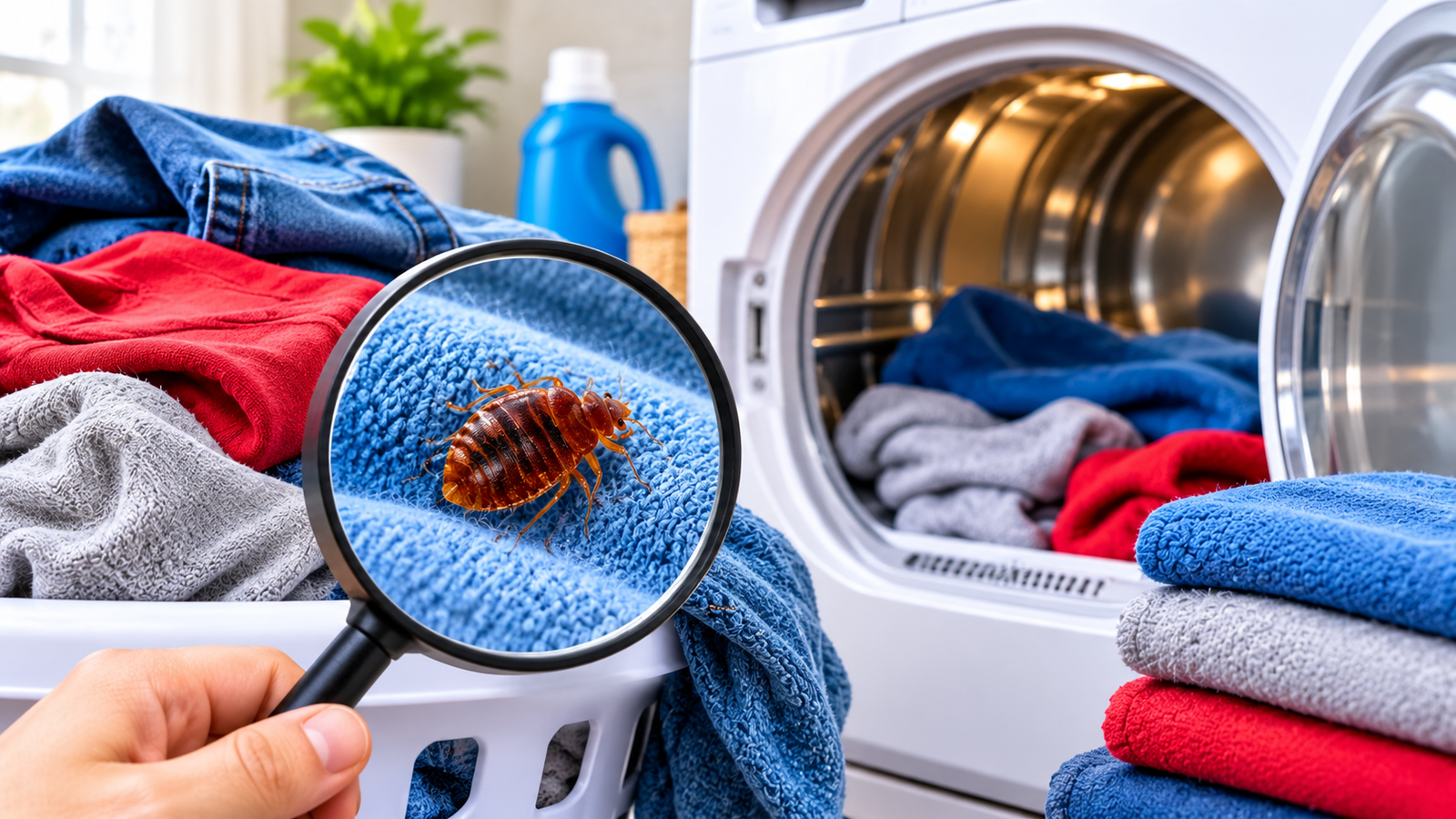
- Unpack directly into the laundry, not on your bed. A laundry room, garage or hard floor away from bedrooms is ideal.
- Dry clothes on high heat. The EPA notes that time in a hot dryer kills bed bugs. Health Canada recommends at least 30 minutes on the hottest setting for items that can't be washed. Do this for all travel clothes, even ones you didn't wear.
- Inspect your luggage carefully, including seams, pockets, zippers and wheels.
- Store suitcases away from bedrooms, such as in a basement or garage. The EPA says never to store suitcases under your bed.
- Vacuum your suitcase and throw the vacuum contents out in a sealed bag.
Signs You May Have Brought Bed Bugs Home
- New itchy bites after sleeping in your own bed
- Black fecal spots or blood smears on your sheets
- Shed skins or live bugs in your mattress seams or bed frame
- Bugs found in or around your luggage
If you notice any of these, check your bed carefully, put interceptor traps under the bed legs, keep sleeping in your own bed so you don't spread them, and book an inspection. Early infestations are the easiest to treat.
How Nomore Pest Can Help
If you think bed bugs came home with you from a trip, our licensed technicians can inspect your bed, furniture and luggage area to confirm it. If treatment is needed, we use proven bio and chemical treatments that target every life stage, including eggs, with a follow-up inspection built into every plan.
We serve homes, apartments and businesses across Toronto, Mississauga, Vaughan, Scarborough, North York and Etobicoke. Book a free bed bug inspection if you're seeing signs after travelling.
Conclusion
Checking a hotel room for bed bugs takes about five minutes: luggage in the bathroom first, then the mattress seams and corners at the head of the bed, the box spring, headboard, luggage rack, drawers and upholstered chairs. During your stay, keep luggage on the rack and dirty laundry sealed. When you get home, unpack into the laundry, dry everything on high heat and store suitcases away from the bedroom.
Back from a trip and seeing bites? Call Nomore Pest at 800-461-1827 or 437-922-2705, or email info@nomorepest.ca for a free bed bug inspection anywhere in Toronto and the GTA.
Frequently asked questions
How do I check a hotel room for bed bugs?
Put your luggage in the bathroom first. Then pull back the sheets at the head of the bed and use a flashlight to check the mattress seams, corners and tags, the box spring corners, the headboard, the luggage rack, nightstand drawers and upholstered chairs. Look for black dots, shed skins and live bugs.
Where do bed bugs hide in hotel rooms?
Mostly at the head of the bed: mattress seams and corners, box spring edges, and behind or along the headboard. They can also hide in nightstands, upholstered chairs and sofas, and the joints of luggage racks.
Where should I put my luggage in a hotel?
Use the luggage rack, away from the bed and wall, after checking the rack itself. The US EPA recommends using luggage racks rather than setting luggage on the bed or floor. Keep the bathroom as a safe spot while you inspect.
What should I do if I find bed bugs in my hotel room?
Don't unpack. Photograph the evidence, tell the front desk and ask for a different room that isn't next to, above or below the first one. Check the new room and your luggage carefully.
How do I avoid bringing bed bugs home from a hotel?
Keep luggage on the rack and zipped, seal dirty laundry in plastic bags, and unpack straight into the laundry at home. Dry all travel clothes on high heat for at least 30 minutes, inspect your suitcase, and store it away from bedrooms.
Can expensive hotels have bed bugs?
Yes. Bed bugs travel with guests and luggage, not dirt, so any hotel, motel, hostel or short-term rental can have them regardless of price or cleanliness.
Got a pest problem? Don't wait.
Book a professional inspection across Toronto & the GTA and get peace of mind, backed by a licensed & insured local team.
Or email us at info@nomorepest.ca · Toronto & the GTA