You lift the corner of the mattress and find something that looks like a tiny, empty bug. It's light brown, see-through and weighs nothing. That's a bed bug shell, also called a shed skin or casing, and it's one of the clearest signs that bed bugs are living in your home and growing.
This guide explains what bed bug shells look like, why bed bugs leave them behind, what finding them tells you about the infestation, and what to do next.
Quick Answer: What Bed Bug Shells Look Like
| Feature | Bed bug shed skins |
| Shape | An exact, hollow copy of a bed bug: oval body, six legs, short antennae |
| Colour | Translucent to pale yellow or light brown |
| Size | About 1.5–4.5 mm, matching the nymph stage that shed it |
| Texture | Papery, dry and crumbly; often split along the back |
| Where | Mattress seams, tufts and folds, box spring, bed frame cracks, headboard |
| What it means | Young bed bugs have fed and grown; the population is developing |
What Are Bed Bug Shells?
Bed bugs don't grow the way people do. Their bodies are covered in a hard outer layer called an exoskeleton, which can't stretch. To grow, a young bed bug (nymph) has to split out of its old exoskeleton and form a new, larger one. The empty exoskeleton it leaves behind is the shell, or cast skin.
Virginia Tech entomologists explain that a bed bug moults five times before it becomes an adult, and that it needs a blood meal before each moult. After adulthood, bed bugs stop growing and stop shedding. That makes shed skins a direct record of young bed bugs feeding and growing in your home.
What Do Bed Bug Shed Skins Look Like?
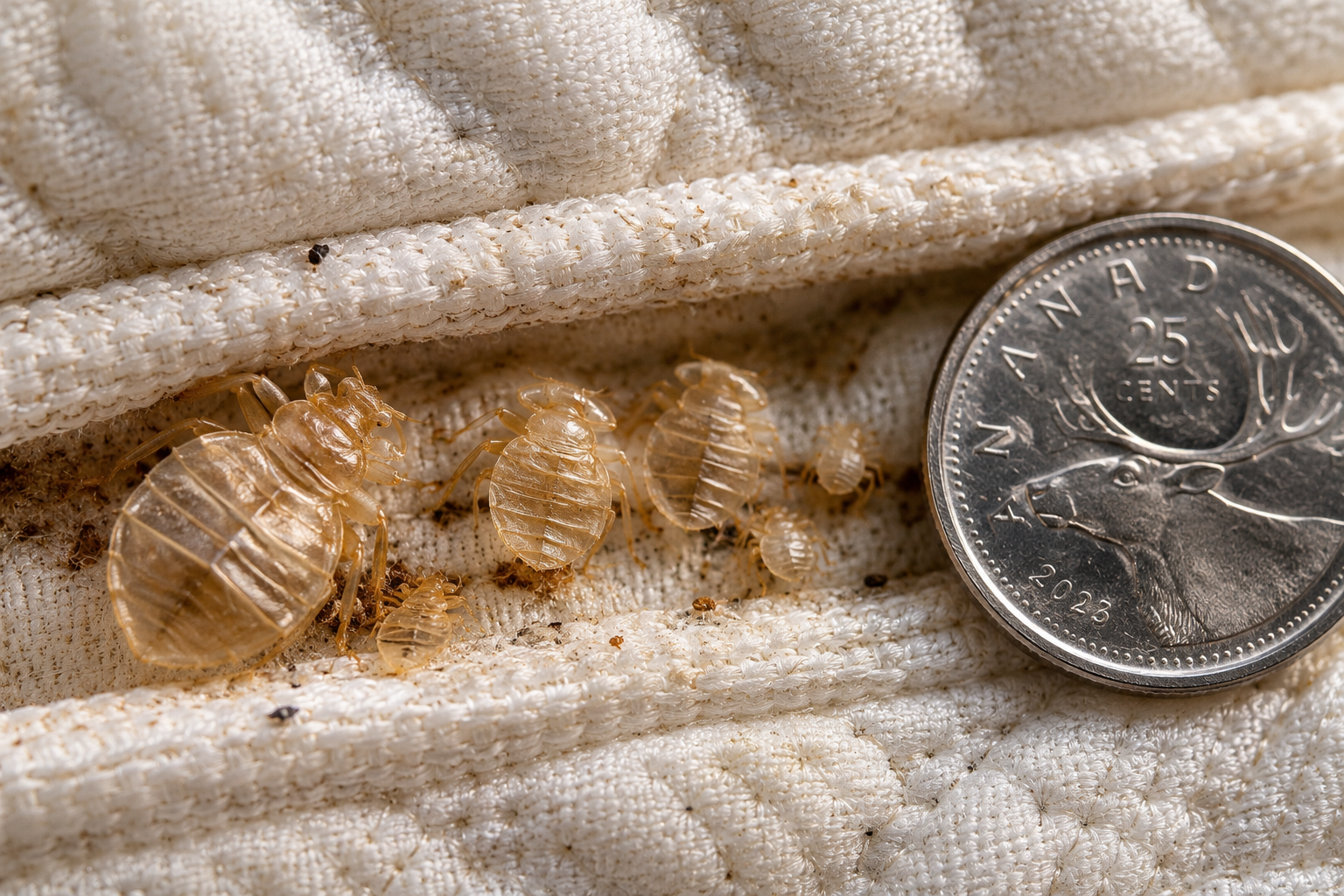
A shed skin looks like a bed bug that's been emptied out. Michigan State University Extension describes them as the light brown moulted skins of the nymphs. Up close you'll see:
- The full bug outline, including legs, antennae and the segmented rings of the abdomen
- A pale, see-through look, lighter than a live bed bug, often amber or straw-coloured
- A hollow body that may be slightly crushed, curled or split open along the back where the nymph climbed out
- A papery, brittle feel. Skins crumble easily and can blow away with a breath
Because nymphs shed at five different sizes, you may find shells ranging from about 1.5 mm, the size of a pinhead, to about 4.5 mm, close to adult size.
What Finding Bed Bug Casings Means
Shed skins tell you more than most other signs.
- Bed bugs are established, not just passing through. A skin means a nymph fed, grew and moulted in that spot. A single hitchhiking bug doesn't leave a trail of casings.
- Different sizes mean several generations. Skins in a range of sizes show nymphs at multiple stages, which means eggs have been hatching over time.
- Lots of skins mean a larger infestation. Virginia Tech notes that large infestations can leave thousands of moulted skins, usually concentrated where bed bugs cluster.
- Location points to the hiding spot. Nymphs moult where they rest, so a pile of casings usually marks the harbourage, the crack or seam where the bugs live.
Does One Shell Mean an Active Infestation?
Not on its own. Shed skins are dry and don't break down quickly, so they can stay in a mattress seam or bed frame long after bed bugs are gone, for example after a previous treatment or from a second-hand bed.
To tell old evidence from current activity, look for fresh signs near the skins:
- Dark fecal spots that smear reddish-brown when wiped with a damp cloth
- Pearl-white unhatched eggs about 1 mm long
- Live nymphs or adults, especially pale nymphs or bright red ones that have just fed
- New bites after sleeping
Skins plus any of these means the infestation is active. Skins alone, with nothing else after a careful check, may be old evidence. Monitoring with interceptor traps under the bed legs for a few weeks is a good way to find out.
Shed Skins vs Dead Bed Bugs vs Egg Shells
| What you found | How it looks | What it means |
| Shed skin (casing) | Hollow, translucent, light brown, bug-shaped; often split along the back | A nymph fed and moulted here |
| Dead bed bug | Solid body, darker reddish-brown, often curled up with legs tucked in | A bug died, possibly after treatment; check for live ones |
| Hatched egg shell | Tiny (about 1 mm), clear, oval shell with an open cap; no legs | Eggs hatched here; nymphs are nearby |
| Unhatched egg | Pearl-white solid oval about 1 mm, glued in place | New nymphs are coming |
The easiest test: press it gently with the edge of a card. A shed skin collapses or crumbles. A dead bed bug feels firmer and keeps its shape.
Where to Find Bed Bug Shells
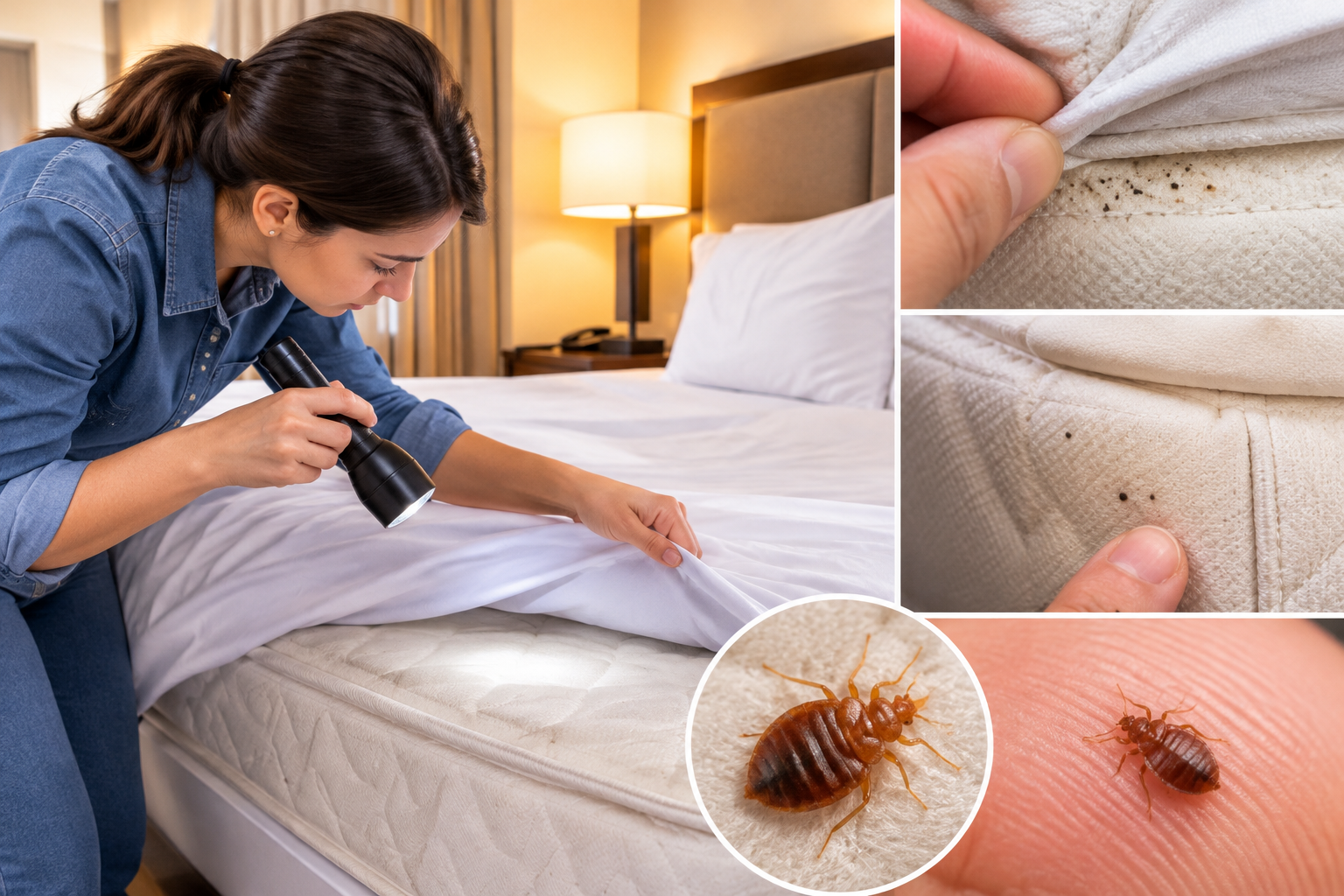
Look where bed bugs rest, not just where they feed. Use a flashlight and check:
- Mattress seams, piping, tufts and the area under labels
- Box spring corners, staples and the fabric dust cover underneath
- Bed frame joints, slats, screw holes and cracks in wood
- The back of the headboard and where it meets the wall
- Couch seams, cushion zippers and the underside of upholstered chairs
- Nightstand drawer corners and joints
- Along baseboards and carpet edges close to the bed
Casings often collect in the same spots as fecal spots and eggs. Finding all three together is close to certain proof of bed bugs.
Shells That Aren't From Bed Bugs
| Look-alike | How to tell it apart |
| Carpet beetle larval skins | Fuzzy or bristly, carrot-shaped and banded; found in closets, rugs, wool and along baseboards |
| Cockroach nymph skins | Longer body with very long antennae; found in kitchens and bathrooms |
| Spider moults | Eight legs, often long and spindly; near webs and corners |
| Flakes of skin or lint | Flat and shapeless, with no legs or body segments |
If the shell has six legs, a wide oval body and was found in or near the bed, it's very likely from a bed bug. Carpet beetle larval skins are the most common mix-up, and their hairy, striped look is the giveaway.
Should You Clean Up the Shells?
Eventually, yes, but not before you've confirmed what you're dealing with. Shed skins show where bed bugs are concentrated, which helps a technician target treatment. Take clear photos with a coin for scale first.
When it's time to clean:
- Vacuum seams and cracks with a crevice tool. Brush seams with a stiff brush first to loosen skins and eggs.
- Seal the vacuum bag or canister contents in a plastic bag and put it in an outdoor bin right away.
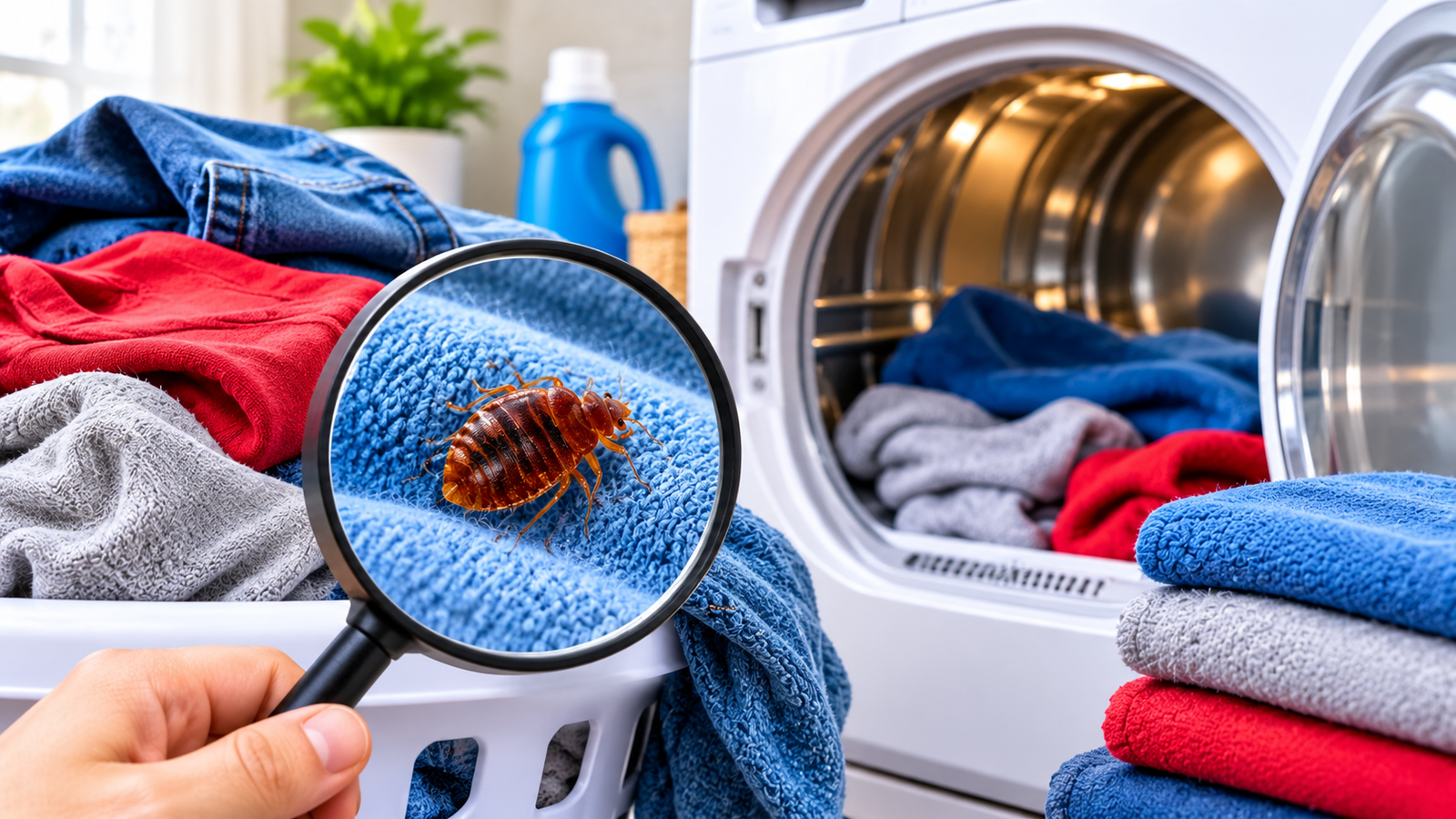
- Wash bedding in hot water and dry it on the hottest setting for at least 30 minutes.
Cleaning up the skins removes the evidence, not the bed bugs. If the infestation is active, new skins will keep appearing.
What to Do If You Find Bed Bug Casings
- Photograph them with a coin or ruler for scale.
- Check for fresh signs nearby: fecal spots, eggs and live bugs.
- Keep sleeping in your bed. Moving to another room can spread bed bugs.
- Bag your bedding in the bedroom and wash it hot, then dry it on high.
- Put interceptor traps under the bed legs to monitor activity.
- Skip bug bombs and store sprays, which don't reach the cracks where bed bugs moult and lay eggs.
- Book a professional inspection, especially if you find skins in several sizes.
How Nomore Pest Can Help
Our licensed technicians inspect the mattress, box spring, frame, headboard and nearby furniture to confirm bed bugs and find where they're living. We use proven bio and chemical treatments that target every life stage, including eggs, and a follow-up inspection is built into every plan to confirm they're gone.
We serve homes, apartments and businesses across Toronto, Mississauga, Vaughan, Scarborough, North York and Etobicoke. If you've found shells or casings in your bed, book a free bed bug inspection.
Conclusion
Bed bug shells are the empty exoskeletons that nymphs leave behind each time they moult. They're translucent to light brown, bug-shaped and hollow, from about 1.5 to 4.5 mm long. Finding them means young bed bugs have been feeding and growing, and skins in several sizes point to an established, breeding infestation. Check for fresh fecal spots, eggs or live bugs to confirm it's active, then get it inspected.
Found bed bug casings? Call Nomore Pest at 800-461-1827 or 437-922-2705, or email info@nomorepest.ca for a free bed bug inspection anywhere in Toronto and the GTA.
Frequently asked questions
What do bed bug shells look like?
Bed bug shells look like hollow copies of a bed bug: oval, six-legged, with short antennae and a segmented abdomen. They're translucent to light brown, papery and brittle, and range from about 1.5 to 4.5 mm depending on the nymph stage that shed them.
Why do bed bugs shed their skin?
Bed bugs have a hard exoskeleton that can't stretch, so nymphs shed it to grow. Each nymph moults five times before becoming an adult and needs a blood meal before each moult. Adults don't shed.
Do bed bug shells mean an active infestation?
Not always. Shed skins are dry and can stay in a mattress or bed frame long after bed bugs are gone. Look for fresh fecal spots, unhatched eggs, live bugs or new bites nearby to confirm the infestation is still active.
How can I tell a shed skin from a dead bed bug?
A shed skin is hollow, see-through and light brown, often split along the back, and it crumbles when pressed. A dead bed bug has a solid, darker reddish-brown body, is often curled up, and keeps its shape when you press it gently.
How many shed skins does a bed bug leave?
Each bed bug sheds five skins as it grows from a newly hatched nymph to an adult. In a large infestation, that can add up to thousands of skins, usually concentrated where bed bugs cluster.
Should I vacuum bed bug shells?
Yes, but photograph them first and consider waiting until after an inspection, since they show where bed bugs are living. When you vacuum, brush seams first, then seal the vacuum contents in a plastic bag and put it in an outdoor bin right away.
Got a pest problem? Don't wait.
Book a professional inspection across Toronto & the GTA and get peace of mind, backed by a licensed & insured local team.
Or email us at info@nomorepest.ca · Toronto & the GTA