Bed bug eggs are one of the hardest signs to spot and one of the most important to find. They're tiny, pale and tucked into the narrowest cracks, and they're the reason many infestations come back after a quick fix. If you know what they look like and where to check and how to get rid of bed bugs then you can confirm an infestation early and make sure treatment reaches them.
This guide covers what bed bug eggs look like, how big they are, how fast they hatch, where they're laid, and how to tell them from lint, dandruff and other look-alikes.
Quick Answer: What Bed Bug Eggs Look Like
| Feature | Bed Bug Eggs |
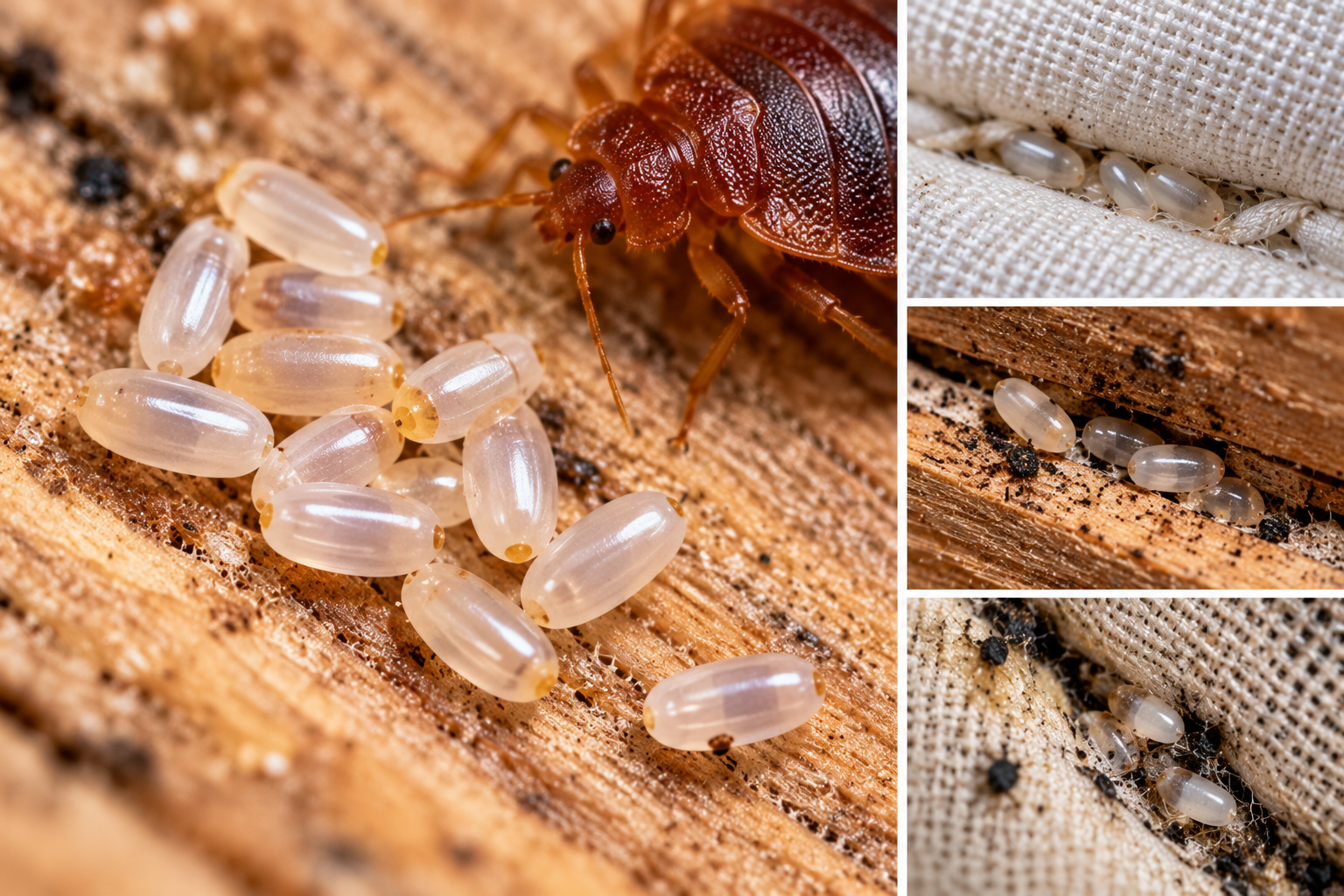
| Size | About 1 mm long, the size of a pinhead or a grain of salt |
| Colour | Pearl-white to milky or cream; slightly glossy |
| Shape | Oval or rice-shaped, slightly curved, with a small cap at one end |
| Texture | Stuck firmly in place; they don't brush or blow away easily |
| Pattern | Alone or in small groups, often with fecal spots and shed skins nearby |
| Where | Mattress seams, box spring, bed frame cracks, headboard, furniture joints |
What Do Bed Bug Eggs Look Like Up Close?
The US EPA describes bed bug eggs as about 1 mm long, the size of a pinhead, and pearl-white. Up close, each egg is a smooth, slightly curved oval, a bit like a tiny grain of rice. One end has a small lid where the nymph pushes its way out when it hatches.
Eggs older than about five days develop a visible dark eye spot as the nymph forms inside. Under a magnifying glass, that can look like a small dark dot near one end of the egg.
Because they're so small and pale, eggs are very hard to see on white sheets or light mattress fabric. They're easier to spot in dark cracks, on dark wood or against coloured fabric.
Can You See Bed Bug Eggs With the Naked Eye?
Yes, but only if you know what you're looking for. A single egg is visible without magnification, but it's easy to mistake for a speck of lint or dust. A bright flashlight held at an angle and a magnifying glass make a big difference. Clusters of eggs, especially next to dark fecal spots, are much easier to notice than a single egg.
Why Bed Bug Eggs Stick So Well
Texas A&M AgriLife Extension notes that bed bug eggs are coated with a sticky substance that glues them to whatever surface they're laid on. This has two practical effects:
- They're hard to remove. Shaking out bedding or giving the mattress a quick vacuum often leaves eggs behind.
- They travel with furniture. Eggs glued into the frame of a used bed, couch or dresser go wherever that furniture goes.
When vacuuming, use a stiff brush along seams to loosen eggs before you vacuum. A crevice tool alone often misses them.
How Long Do Bed Bug Eggs Take to Hatch?
At normal room temperature, bed bug eggs hatch in about a week. Texas A&M puts the range at 6 to 17 days, depending on temperature. Cooler rooms slow hatching down, and warm rooms speed it up.
A female bed bug lays eggs steadily once she's feeding. University of Kentucky entomologists say females lay one, two or more eggs a day, potentially hundreds in a lifetime. That steady supply is why an infestation can grow quickly over a couple of months.
Each newly hatched nymph is pale, about 1.5 mm long, and needs a blood meal before it can grow to the next stage.
Hatched vs Unhatched Bed Bug Eggs
| Type | What it look like | What it means |
| Unhatched egg | Solid pearl-white oval; may show a dark eye spot after about five days | New nymphs are about to emerge |
| Hatched egg (shell) | Clear, flattened or collapsed shell, often with the cap open or missing | Nymphs have already hatched and are feeding nearby |
| Old, dried eggs | Dull, yellowish or greyish shells, sometimes dented | Past activity; check for fresh spots, skins or bugs to see if it's still active |
Old, dried egg shells can stay stuck in a mattress or frame long after the bed bugs are gone. If you only find old shells with no fresh fecal spots, shed skins or live bugs, the activity may be past. If you find a mix of hatched and unhatched eggs, the infestation is active and breeding.
Where Bed Bugs Lay Their Eggs
Bed bugs lay eggs where they hide, close to where people sleep. Check these places with a flashlight:
- Mattress seams, piping, tufts, buttons and the area under the label
- Box spring corners, staples and the fabric dust cover on the underside
- Cracks, joints and screw holes in the bed frame and slats
- The back of the headboard and where it meets the wall
- Couch seams, cushions and the underside of upholstered chairs
- Nightstand drawer joints and corners
- Gaps behind baseboards, outlet covers and loose wallpaper near the bed
- Picture frames and clutter close to the bed
Eggs are usually found alongside other signs. Dark fecal spots, shed skins in a range of sizes and live nymphs nearby all confirm you're looking at bed bug eggs rather than something else.
Can Bed Bugs Lay Eggs on Clothes or Sheets?
They can, but it's less common. Bed bugs prefer rough, protected surfaces like wood, fabric seams and cracks over smooth, frequently washed sheets. Eggs on bedding usually show up in seams, hems and folds, or on clothing left piled near the bed for a long time.
Washing in hot water and drying on the hottest setting kills eggs in fabric. Health Canada notes that bed bugs die at 50°C and recommends at least 30 minutes in a hot dryer for items you can't wash.
Bed Bug Eggs vs Look-Alikes
| Look-alike | How to tell it apart |
| Lint or fabric fuzz | Irregular shape and soft; brushes away easily |
| Dandruff or skin flakes | Flat and irregular; not oval or glossy |
| Salt or sugar grains | Angular crystals, not smooth ovals; dissolve with a drop of water |
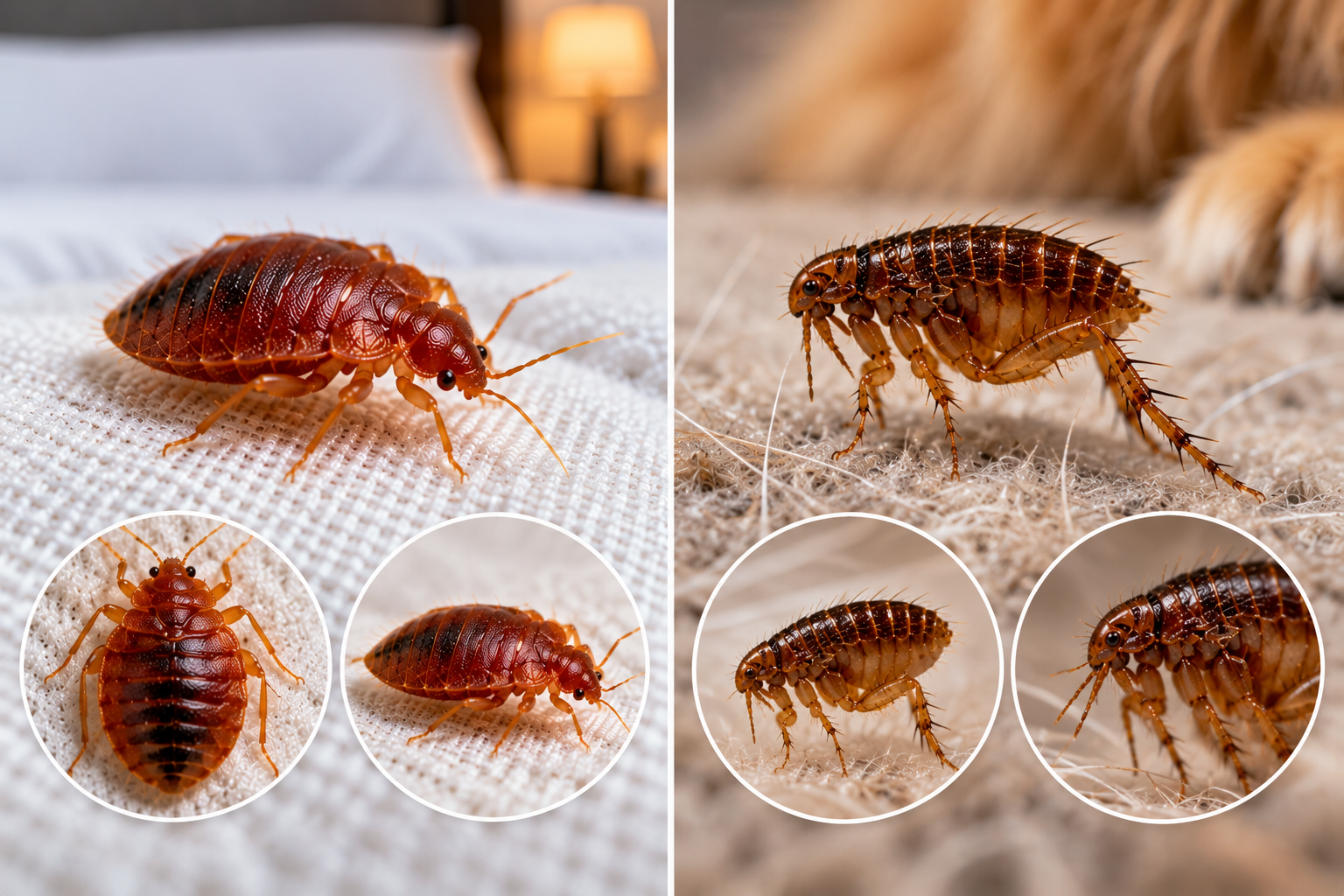
| Flea eggs | Smaller, smooth and not sticky; fall off pets and collect in pet bedding and carpets |
| Lice nits | Glued to individual hair strands close to the scalp, not to furniture |
| Carpet beetle eggs | Laid in wool, carpets, closets and lint, away from the bed |
A simple test: try to brush the speck with a fingernail or the edge of a card. Lint, dust and flakes move easily. A bed bug egg stays put.
How to Kill Bed Bug Eggs
Eggs are the hardest stage to kill, which is why one-time fixes so often fail.
- Dryer heat: the hottest setting for at least 30 minutes kills eggs in clothes, bedding and small fabric items.
- Steam: a steamer that reaches 100°C or more kills eggs on contact. Move slowly along seams and joints so the heat penetrates.
- Brushing and vacuuming: a stiff brush followed by a vacuum removes some eggs, but not all. Seal and throw out the bag or contents afterward.
- Mattress encasements: zippered bed bug encasements trap any eggs and nymphs inside the mattress so they can't reach you.
- Freezing: Health Canada says freezing needs a steady −19°C for four days in a row and may not kill every bug, so it's only practical for small items in a freezer that holds that temperature.
Store-bought sprays and bug bombs rarely reach eggs glued deep in cracks, and many insecticides work poorly on the egg stage. That's why professional treatment plans include a follow-up visit timed to catch nymphs that hatch after the first treatment.
I Found Bed Bug Eggs. What Should I Do?
- Photograph them with a coin or ruler for scale. Clear photos help with identification.
- Don't scrub everything clean before an inspection. A technician uses eggs, fecal spots and skins to map where bed bugs are concentrated.
- Bag your bedding in the bedroom, then wash it hot and dry it on the hottest setting.
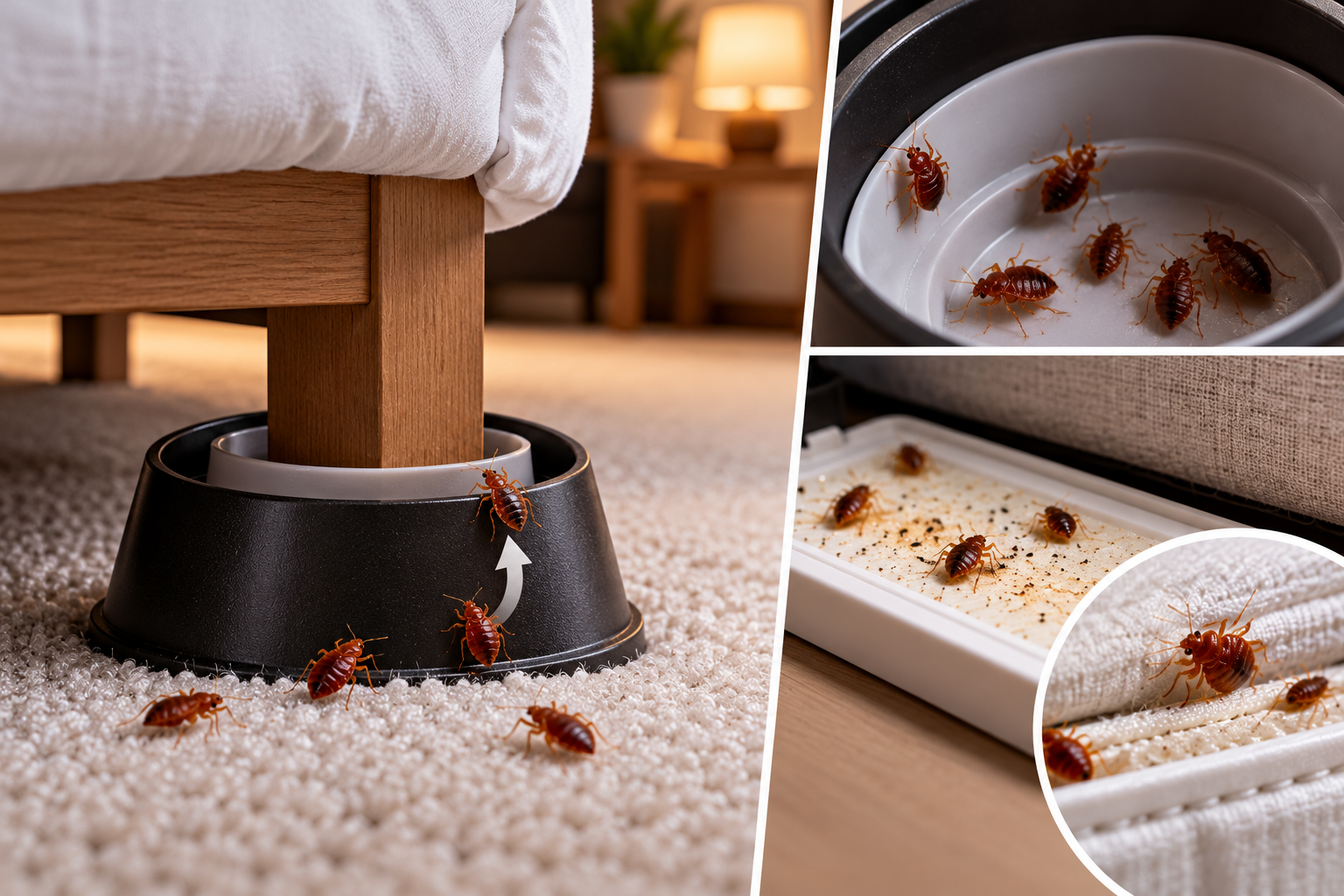
- Keep sleeping in your bed. Moving to another room can spread bed bugs.
- Check nearby furniture for more eggs, shed skins and live bugs.
- Book a professional inspection. Eggs mean bed bugs are breeding, and treatment has to reach every life stage.
How Nomore Pest Deals With Bed Bug Eggs
Our licensed technicians inspect the mattress, box spring, frame, headboard and nearby furniture to find where eggs and bugs are concentrated. We use proven bio and chemical treatments that target every life stage, including eggs, and a follow-up inspection is built into every plan to catch anything that hatches afterwards.
We serve homes, apartments and businesses across Toronto, Mississauga, Vaughan, Scarborough, North York and Etobicoke. If you've found tiny white eggs in your mattress or furniture, book a free bed bug inspection.
Conclusion
Bed bug eggs are about 1 mm long, pearl-white and oval, and they're glued firmly into mattress seams, bed frame cracks and furniture joints. They hatch in about a week at room temperature, which is why finding them means an active, breeding infestation. Heat kills them in fabrics, but eggs hidden in the bed and furniture usually need professional treatment with a follow-up visit.
Found eggs in your bed? Call Nomore Pest at 800-461-1827 or 437-922-2705, or email info@nomorepest.ca for a free bed bug inspection anywhere in Toronto and the GTA.
Frequently asked questions
What do bed bug eggs look like?
Bed bug eggs are about 1 mm long, pearl-white and oval, like a tiny grain of rice with a small cap at one end. After about five days, a dark eye spot can appear as the nymph develops. They're glued in place in seams and cracks, often near dark fecal spots.
How big are bed bug eggs?
About 1 mm long, roughly the size of a pinhead or a grain of salt. You can see them without magnification, but a flashlight and magnifying glass make them much easier to spot.
How long do bed bug eggs take to hatch?
About a week at normal room temperature. Texas A&M AgriLife Extension puts the range at 6 to 17 days, with cooler temperatures slowing hatching down.
Can you vacuum up bed bug eggs?
Partly. Bed bug eggs are coated with a sticky substance that glues them to surfaces, so a vacuum alone often leaves them behind. Brushing seams with a stiff brush first helps, but vacuuming won't remove every egg.
What kills bed bug eggs?
Heat is the most reliable option at home. A clothes dryer on its hottest setting for at least 30 minutes kills eggs in fabrics, and a steamer at 100°C or more kills them on contact. Eggs deep in furniture and cracks usually need professional treatment and a follow-up visit.
Do bed bug eggs mean an active infestation?
Fresh, unhatched eggs do. They mean females are feeding and laying. Old, dried egg shells can remain after bed bugs are gone, so look for fresh fecal spots, shed skins or live bugs to confirm current activity.
Got a pest problem? Don't wait.
Book a professional inspection across Toronto & the GTA and get peace of mind, backed by a licensed & insured local team.
Or email us at info@nomorepest.ca · Toronto & the GTA