Most people picture bed bugs as the flat, brown, apple-seed-sized adults. But in an active infestation, most of the bugs you could find are babies. Baby bed bugs, called nymphs, are smaller, paler and much harder to spot, and that's exactly why infestations get missed early.
This guide shows what baby bed bugs look like at each stage, how fast they grow, where they hide, and what finding one means for your home.
Quick Answer: What Do Baby Bed Bugs Look Like?
- Size: about 1.5 mm when they hatch, roughly the size of a pinhead or poppy seed, growing to about 4.5 mm before adulthood
- Colour: translucent, whitish or straw-yellow when unfed; bright red in the middle right after feeding
- Shape: the same flat, oval shape as an adult, just smaller
- Movement: crawl only; they can't fly or jump
- Diet: they bite and feed on blood from the first stage
What Are Bed Bug Nymphs?
Bed bugs don't have a larval or caterpillar stage. A nymph hatches looking like a tiny, pale version of an adult and grows by shedding its skin. According to University of Kentucky entomologists, nymphs shed their skin five times before they're fully grown, and each nymph needs a blood meal before it can moult to the next stage.
That means every baby bed bug in your home has to feed, usually several times, before it becomes an adult. It also means that each stage leaves behind an empty shed skin, which is often easier to find than the nymph itself.
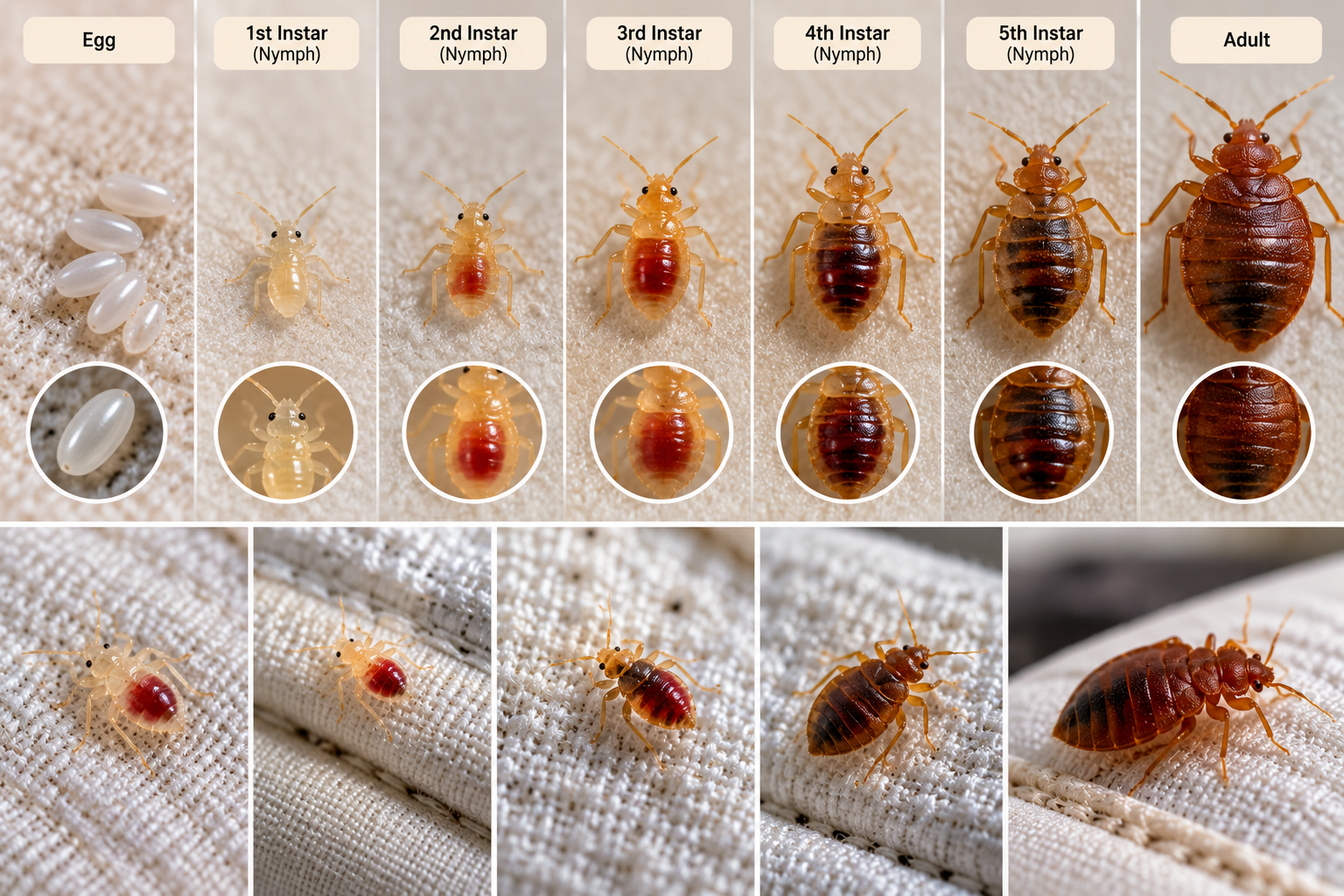
Bed Bug Life Stages: Sizes at a Glance
The US EPA gives these approximate sizes for each stage of the common bed bug (Cimex lectularius):
| Stage | Approximate size | What it looks like |
| Egg | 1 mm | Pearl-white, oval, about the size of a pinhead; an eye spot shows after about five days |
| 1st stage nymph | 1.5 mm | Nearly see-through, whitish-yellow; very hard to see when unfed |
| 2nd stage nymph | 2 mm | Pale, translucent; bright red centre after feeding |
| 3rd stage nymph | 2.5 mm | Pale to light tan; gets a little darker with each moult |
| 4th stage nymph | 3 mm | Tan, starting to look like a small adult |
| 5th stage nymph | 4.5 mm | Tan to light brown, nearly adult-sized |
| Adult | 5–7 mm | Brown and flat when unfed; reddish-brown and swollen after feeding |
Colours darken gradually as nymphs grow, so the later stages look tan to light brown. A 4.5 mm nymph is close to the size of an adult, which is why late-stage nymphs and adults are easy to confuse.
What Baby Bed Bugs Look Like Before and After Feeding
Unfed nymphs
An unfed nymph, especially in the first two stages, is so pale it almost disappears against a white sheet or a light-coloured mattress. You're more likely to notice it moving than to spot it sitting still. Against a dark surface, it shows up as a tiny, pale, oval speck.
Fed nymphs
Because the young nymph's body is almost transparent, a fresh blood meal shows through as a bright red or dark red spot in the abdomen. A just-fed nymph looks like a tiny red droplet with legs. Over the next few days, the blood darkens as it's digested, and the nymph turns brown or almost black in the middle.
If you've found a tiny red or dark bug on your sheets in the morning, a recently fed nymph is a real possibility.
How Fast Do Baby Bed Bugs Grow?
Growth depends on temperature and on how easily the bugs can feed. University of Kentucky entomologists note that at typical indoor temperatures of about 21–27°C, with regular access to blood, bed bugs can go from egg to adult in as little as a month. Cooler rooms or fewer chances to feed slow that down.
- Eggs hatch in about a week at room temperature.
- Nymphs feed, moult and repeat through five stages.
- Adults live about 10 months on average when food is available, and females lay one or more eggs a day, potentially hundreds in a lifetime.
Put together, that's why a few bed bugs can turn into a noticeable infestation over a couple of months, and why finding babies is a sign the population is already reproducing.
Do Baby Bed Bugs Bite?
Yes. Nymphs feed on blood at every stage, and they need to feed before each moult. Their bites can cause the same itchy red welts as adult bites, though some people don't react at all. Because a home with nymphs usually has several stages feeding at once, bites can seem to come from nowhere, even when you can't find the bugs.
Where Baby Bed Bugs Hide
Nymphs are small enough to fit into cracks that adults can't, so they're often deeper in seams and joints. Check:
- Mattress seams, piping, tufts and the area under labels
- Box spring corners and the fabric on its underside
- Joints, screw holes and cracks in the bed frame and headboard
- Gaps behind baseboards and outlet covers near the bed
- Couch and chair seams where someone sleeps or naps
- Nightstand drawers, especially the inside corners
Use a bright flashlight and a magnifying glass. A credit card slid along a seam can push nymphs, eggs and shed skins into view.
Signs You Have Baby Bed Bugs
Because nymphs are hard to see, the evidence they leave is often easier to find:
- Shed skins: empty, pale, bug-shaped casings in several sizes. Different sizes mean several growth stages are present.
- Tiny fecal spots: small black dots clustered along seams that smear reddish-brown when wiped with a damp cloth.
- Eggs and hatched egg shells: pearl-white ovals about 1 mm long, glued in cracks and seams.
- Bites that keep appearing even after you've cleaned the bedding.
Finding nymphs, or shed skins in a range of sizes, means bed bugs are breeding in your home rather than just passing through on a bag or piece of furniture.
Baby Bed Bugs vs Other Tiny Bugs
| Bug | How to tell it from a bed bug nymph |
| Booklice | Soft-bodied and pale, but found on books, paper and damp areas; they don't feed on blood or turn red |
| Carpet beetle larvae | Fuzzy, bristly and carrot-shaped; found on wool, carpets and closets |
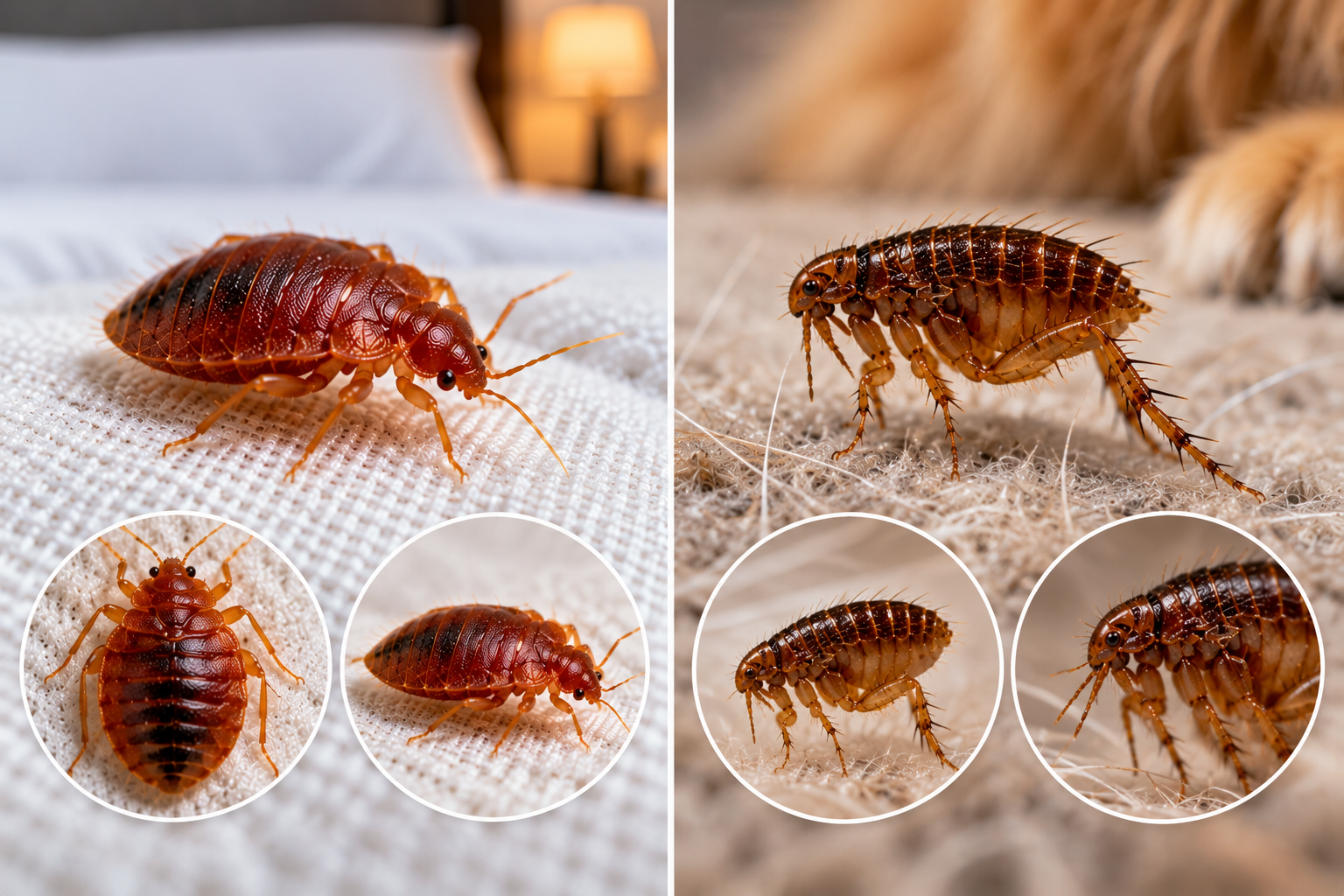
| Fleas | Thin from above, dark, and they jump; usually linked to pets |
| Cockroach nymphs | Dark with long antennae; run fast and stay near kitchens and bathrooms |
| Mites (e.g. bird mites) | Much smaller, with eight legs; often near bird nests or vents |
What to Do If You Find Baby Bed Bugs
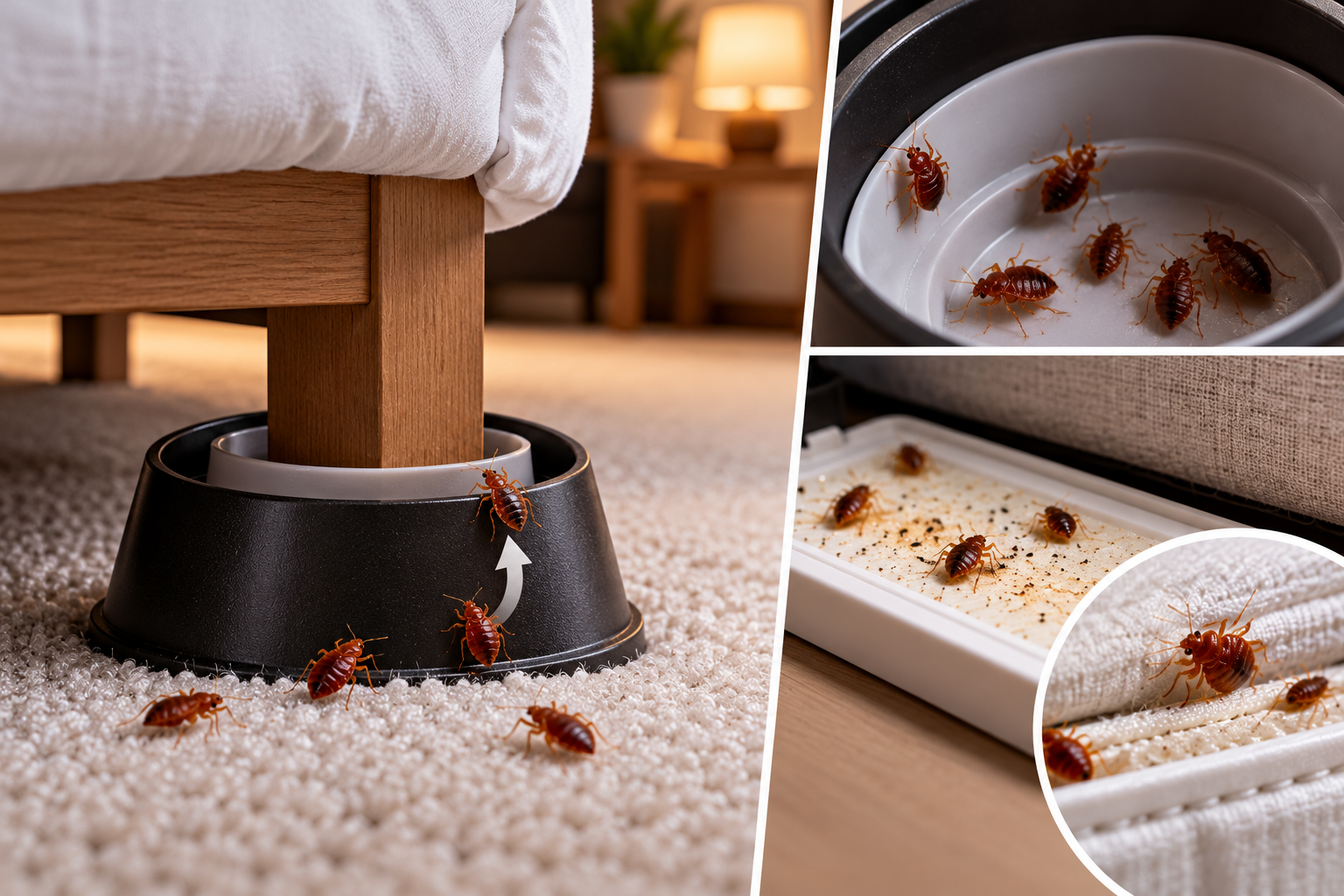
- Capture one on clear tape or in a sealed bag, and photograph it next to a coin for scale.
- Keep sleeping in your bed. Moving to another room can spread them.
- Bag your bedding in the bedroom, then wash it hot and dry it on the hottest setting for at least 30 minutes. Health Canada notes that bed bugs die at 50°C, and a dryer on high reaches that.
- Vacuum seams and cracks with a crevice tool, then seal the vacuum bag or contents in a plastic bag and throw it out.
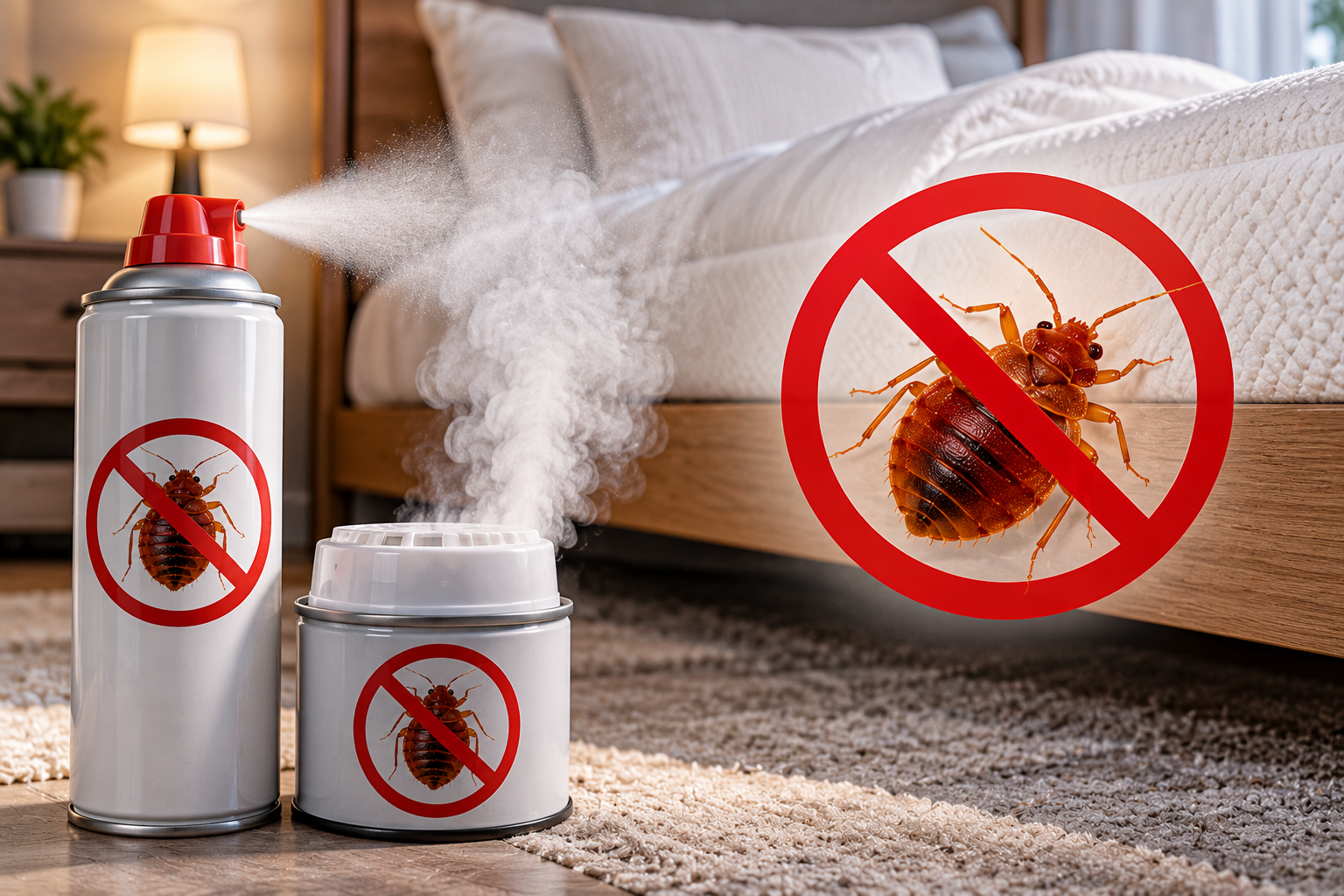
- Skip the bug bombs and store-bought sprays. They don't reach the cracks where nymphs and eggs hide.
- Book a professional inspection. Nymphs mean eggs are hatching, and eggs are the stage home methods most often miss.
Why Baby Bed Bugs Are Hard to Get Rid Of
Nymphs and eggs are the reason bed bug treatments often need follow-up. Eggs are glued deep into cracks and many insecticides work poorly on them, so a single round of treatment can leave some behind. Those eggs hatch into new nymphs over the following week or two. A proper treatment plan for how to get rid of bed bugs should include a follow-up visit timed to target newly hatched nymphs before they mature and begin laying eggs.
Nymphs can also survive for months without feeding, so a room that seems quiet may still have bugs waiting in the cracks.
How Nomore Pest Treats Bed Bugs at Every Stage
Our licensed technicians inspect the bed, furniture and room to confirm bed bugs and see which stages are present. We use proven bio and chemical treatments that target every life stage, including eggs, and a follow-up inspection is built into every plan to catch anything that hatches afterwards.
We serve homes, apartments and businesses across Toronto, Mississauga, Vaughan, Scarborough, North York and Etobicoke. If you've found tiny pale or red bugs in your bed, book a free bed bug inspection.
Conclusion
Baby bed bugs are tiny, pale, flat nymphs that start at about 1.5 mm and grow through five stages to adult size. They turn bright red after feeding, bite just like adults, and hide deep in seams and cracks. Finding nymphs or shed skins of different sizes means bed bugs are breeding in your home, so it's the right time to act, before the next round of eggs hatches.
Found tiny bugs in your bed? Call Nomore Pest at 800-461-1827 or 437-922-2705, or email info@nomorepest.ca for a free bed bug inspection anywhere in Toronto and the GTA.
Frequently asked questions
What do baby bed bugs look like?
Baby bed bugs (nymphs) look like tiny, pale versions of adults. They start at about 1.5 mm, are translucent or whitish-yellow when unfed, and turn bright red in the middle right after feeding. They have the same flat, oval shape as adults and six legs.
Can you see baby bed bugs with the naked eye?
Yes, but it's hard. A first-stage nymph is about the size of a pinhead and nearly see-through, so it blends into light sheets and mattresses. It's easier to spot after feeding, when it turns red, or against a dark surface. A flashlight and magnifying glass help.
Do baby bed bugs bite?
Yes. Nymphs feed on blood at every stage and need a blood meal before each moult. Their bites can cause the same itchy welts as adult bites, although some people don't react.
How long does it take a baby bed bug to become an adult?
At normal room temperatures of about 21–27°C with regular feeding, bed bugs can go from egg to adult in about a month. Cooler temperatures or fewer chances to feed slow development down.
If I see one baby bed bug, are there more?
Very likely. A nymph means eggs have hatched, and a female lays eggs daily. Check mattress seams, the box spring and the bed frame for shed skins, eggs and fecal spots, and book an inspection to see how far it has spread.
What colour are baby bed bugs?
Unfed nymphs are translucent, whitish or pale straw-yellow. Right after feeding, they look bright red because the blood shows through the body. As they digest and grow through each stage, they darken to tan and then brown.
Got a pest problem? Don't wait.
Book a professional inspection across Toronto & the GTA and get peace of mind, backed by a licensed & insured local team.
Or email us at info@nomorepest.ca · Toronto & the GTA