Heat treatment has a reputation as the "one-day fix" for bed bugs. Professional equipment raises the temperature of a room until bed bugs and their eggs die, without spraying insecticides on your bed. It can be very effective, but it isn't magic, and it isn't the right fit for every home.
This guide explains how bed bug heat treatment works, the temperatures research says are needed, the pros and cons compared with other treatments, and how to decide whether it's worth it for you.
Quick Answer
- How it works: professional heaters and fans raise the air in a room to roughly 49–54°C (120–130°F) and hold it there until bed bugs and eggs die.
- Kill temperatures: University of Minnesota research found adult bed bugs die at about 48°C and eggs at about 55°C, with lower temperatures needing much longer.
- Main advantage: it can kill all life stages, including eggs, in a single visit.
- Main limitation: it leaves no lasting protection, so bed bugs brought back in or coming from a neighbouring unit can re-infest.
- DIY heat treatment: not recommended. Health Canada says heat treatments should be left to professionals.
How Bed Bug Heat Treatment Works
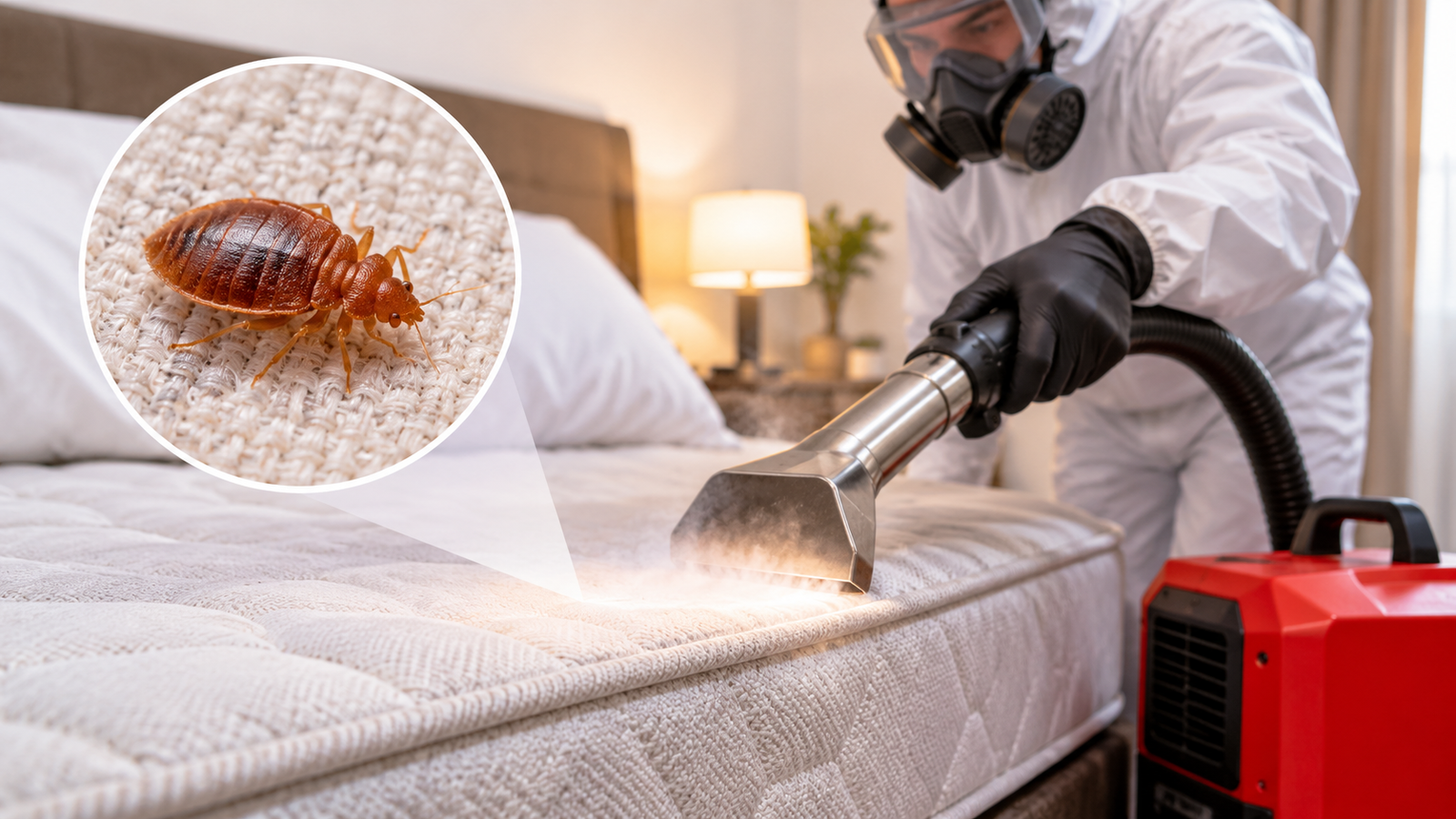
A professional heat treatment uses specialized electric or propane heaters, along with fans to move hot air around the room. University of Kentucky entomologists describe these treatments as gradually heating the air to about 49–54°C (120–130°F).
A typical treatment follows these steps:
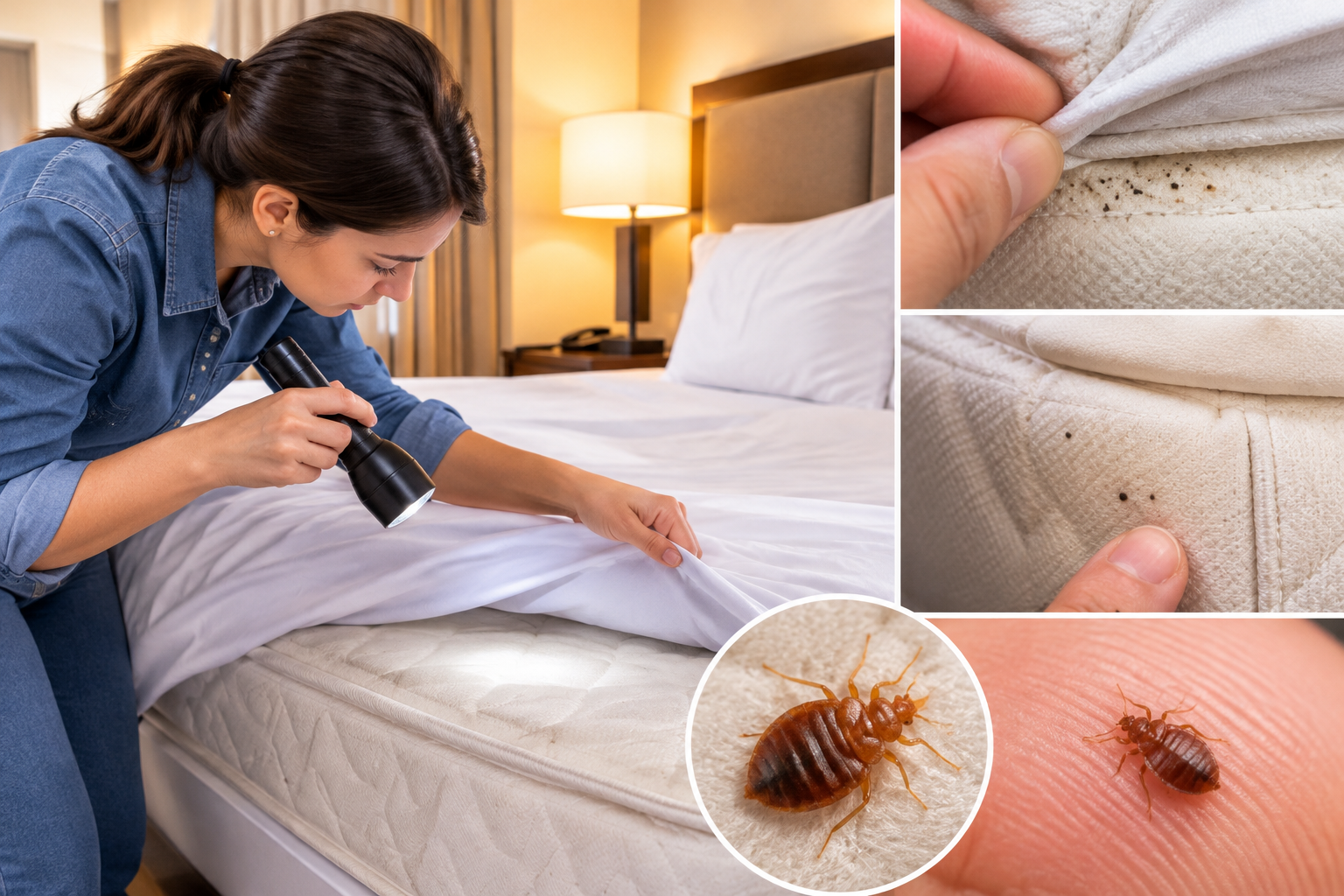
- Inspection to confirm bed bugs and see how far they've spread.
- Preparation: removing heat-sensitive items and loosening clutter so heat can circulate.
- Setup: heaters, fans and temperature sensors are placed around the room. Sensors go into harbourage spots like mattress seams and furniture joints, not just in open air.
- Heating: the room is brought up to the target temperature slowly and held there for several hours. Technicians move and flip furniture and mattresses during treatment to avoid cold spots.
- Cool-down and follow-up: the room cools and is checked, often with monitoring afterward.
What Temperature Kills Bed Bugs?
Research by Stephen Kells and Michael Goblirsch at the University of Minnesota, published in Insects in 2011, measured the temperatures and times needed under commercial heat treatment conditions:
| Life stage | Finding |
| Adults | Lethal temperature of about 48.3°C |
| Adults at 45°C | About 95 minutes of exposure needed |
| Eggs | Lethal temperature of about 54.8°C |
| Eggs at 45°C | Survived 7 hours |
| Eggs at 48°C | About 72 minutes of exposure needed |
The key point is that eggs need more heat than adults, and the heat has to reach the inside of mattresses, furniture and cracks, not just the room air. That's why professionals use sensors in harbourage areas and keep the room hot for hours. Health Canada notes that bed bugs die at 50°C, which is consistent with these findings.
Advantages of Heat Treatment
- Kills every life stage, including eggs, when lethal temperatures reach the hiding spots.
- Often done in a single visit, compared with insecticide treatments that usually need follow-ups. The University of Kentucky notes heat can work in one day rather than over multiple days or weeks.
- No insecticide on your mattress or bedding from the heat itself.
- Works where sprays struggle, including bugs resistant to common insecticides and cluttered rooms where crack-and-crevice treatment is difficult.
- Less laundry and bagging in some cases, because many fabric items can stay in the room to be heated. Your technician will tell you what applies.
Limitations of Heat Treatment
- No lasting protection. Once the room cools, nothing prevents bed bugs from coming back in from luggage, visitors or a neighbouring unit. Some professionals combine heat with targeted residual products for this reason.
- Cold spots can let bugs survive. Insulated areas like the inside of thick furniture, wall voids and tightly packed clutter heat slowly. Good monitoring and moving items during treatment are essential.
- Heat-sensitive items have to be removed and treated separately. These can include candles, medications, aerosol cans, vinyl records, artwork, some electronics, musical instruments and anything that can melt or warp.
- Bugs can escape the heated area. As temperatures rise, some bed bugs may move into wall voids or adjacent rooms, which matters in apartments and condos.
- Preparation still matters. The room needs to be set up properly so heat can circulate.
- Building limits. Some buildings, electrical systems or units may not be suited to whole-room heat, and multi-unit buildings may need neighbouring units checked.
Heat Treatment vs Chemical Treatment
| Heat treatment | Chemical / bio treatment |
| Eggs | Killed when lethal heat reaches them | Targeted, with a follow-up visit for any that hatch later |
| Number of visits | Often one, plus monitoring | Usually two or more |
| Lasting protection | None after the room cools | Residual products keep working for a period after treatment |
| Insecticide resistance | Not affected | Product choice matters; professionals rotate and combine methods |
| Heat-sensitive items | Must be removed and handled separately | Can usually stay |
| Best suited to | Heavy or cluttered infestations; homes that want a fast result | Most homes and apartments; ongoing protection |
In practice, many professionals combine methods: heat or steam for immediate kill, plus targeted products and monitoring for lasting control.
Can You Do Heat Treatment Yourself?
Not safely for a whole room. Health Canada advises that heat treatments should be left to professionals. Space heaters can't heat a room evenly enough to reach lethal temperatures inside furniture, and pushing them to that point creates a serious fire risk.
What you can do at home with heat:
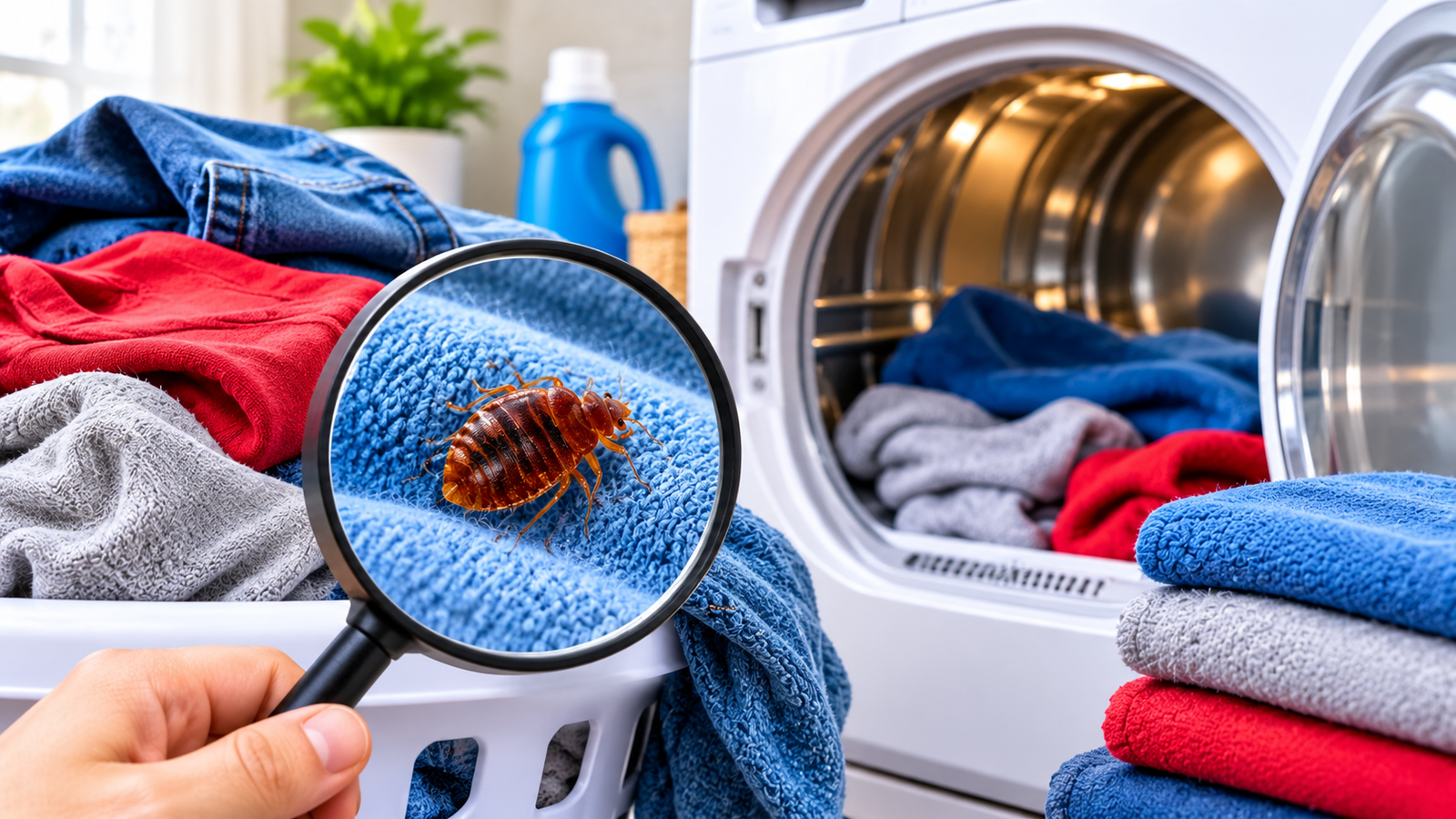
- Clothes dryer: the hottest setting for at least 30 minutes kills bed bugs in clothing, bedding, shoes and small fabric items.
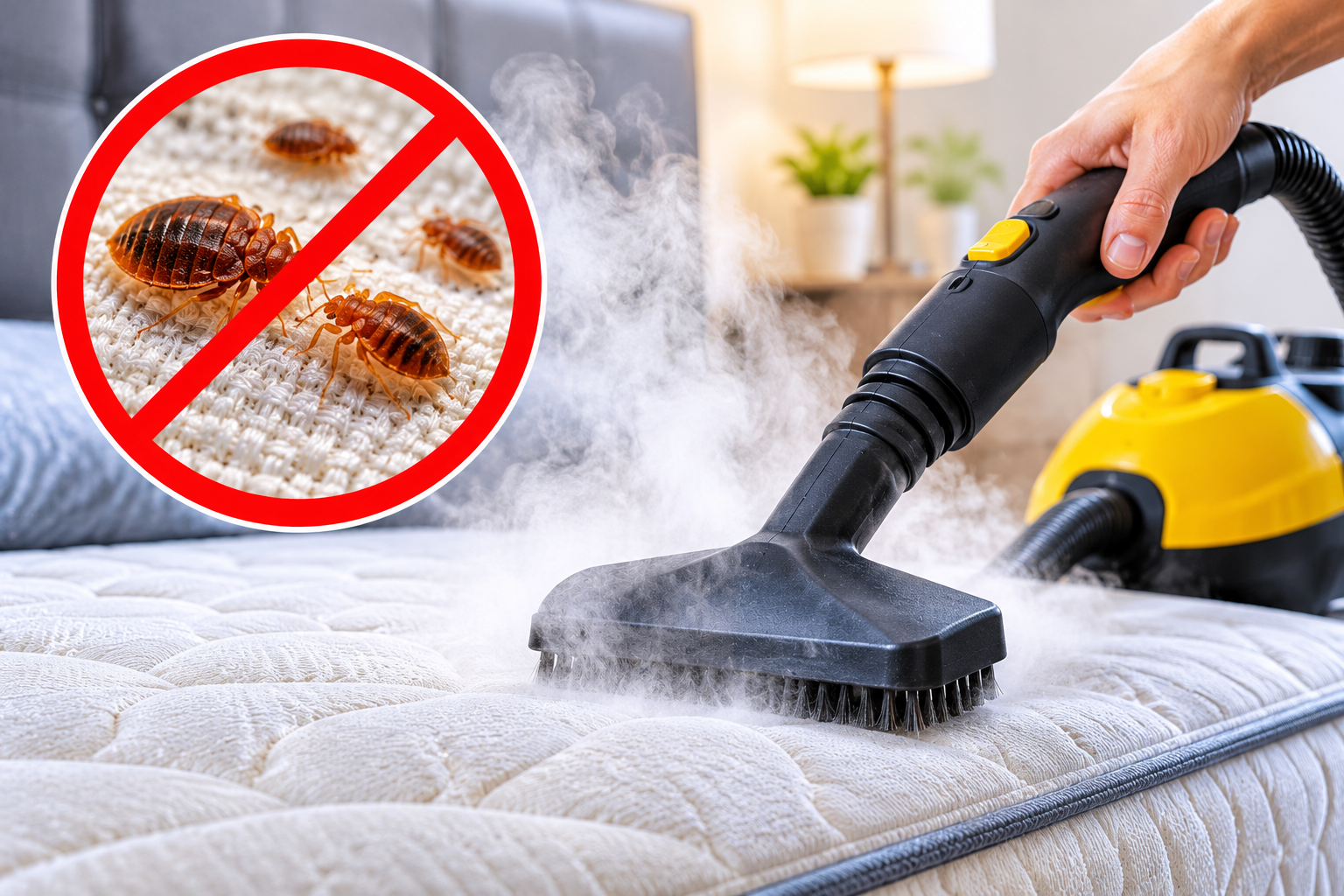
- Steamer: steam at 100°C or more kills bed bugs and eggs on contact on mattress seams and furniture.
- Portable heat chambers: some products are designed to heat luggage and small items. Follow the manufacturer's instructions closely and use a thermometer.
The US EPA notes that leaving items in black plastic bags in a hot, closed car in the sun can sometimes work, but results depend heavily on the weather. In an Ontario autumn or winter, that won't get hot enough.
Is Heat Treatment Worth It?
Heat treatment tends to make the most sense when:
- The infestation is heavy, or spread through a cluttered room
- Previous insecticide treatments haven't worked
- You want to minimize insecticide use on beds and furniture
- You need a fast result and can prepare the room properly
A chemical or bio treatment with a follow-up visit is often a better fit when:
- The infestation is caught early and limited to the bed area
- You live in a multi-unit building where re-introduction is likely and lasting protection matters
- The room has many heat-sensitive items or the building isn't suited to whole-room heat
The right choice depends on your home, so it's worth getting an inspection before deciding. Cost varies with the size of the space, how far the infestation has spread and the method used, so ask for a quote based on an inspection rather than a flat number over the phone.
How to Prepare for Heat Treatment
Your technician will give you specific instructions, but preparation usually includes:
- Removing heat-sensitive items such as candles, medications, aerosols, cosmetics, plants, pets and anything that can melt
- Reducing clutter and opening drawers and closets so heat can circulate
- Pulling furniture away from walls
- Bagging items you take out of the room so they don't carry bed bugs elsewhere, and treating them separately
- Arranging for people and pets to be out of the home during treatment
How Nomore Pest Can Help
Our licensed technicians start with an inspection to confirm bed bugs, find where they're hiding and recommend the right approach for your home. We use proven bio and chemical treatments that target every life stage, including eggs, with a clear preparation checklist and a follow-up inspection built into every plan. If you're weighing heat treatment, ask us during your inspection which option suits your space.
We serve homes, apartments and businesses across Toronto, Mississauga, Vaughan, Scarborough, North York and Etobicoke. Book a free bed bug inspection to find out what your home needs.
Conclusion
Bed bug heat treatment uses professional equipment to raise room temperatures to about 49–54°C, enough to kill adults at about 48°C and eggs at about 55°C when the heat reaches their hiding spots. It can clear an infestation in a single visit and works on insecticide-resistant bugs, but it leaves no lasting protection and needs careful preparation. Whole-room heat isn't a DIY job. The best approach depends on your home, so start with a professional inspection.
Considering heat treatment? Call Nomore Pest at 800-461-1827 or 437-922-2705, or email info@nomorepest.ca for a free bed bug inspection anywhere in Toronto and the GTA.
Frequently asked questions
What temperature kills bed bugs in a heat treatment?
University of Minnesota research found adult bed bugs die at about 48°C and eggs at about 55°C. Professional heat treatments typically raise room air to about 49–54°C and hold it for hours so the heat reaches mattresses, furniture and cracks.
How long does a bed bug heat treatment take?
Most of the work happens in one visit, with the room heated gradually and held at the target temperature for several hours. Timing depends on the size of the space, clutter and how quickly heat reaches hiding spots.
Does heat treatment kill bed bug eggs?
Yes, when the heat reaches them. Eggs need higher temperatures than adults, about 55°C, or longer exposure at lower temperatures. That's why professionals place sensors in harbourage areas, not just in the open air.
Can bed bugs come back after heat treatment?
Yes. Heat leaves no lasting protection, so bed bugs can be brought back in luggage or by visitors, or come from a neighbouring unit. Some professionals combine heat with targeted residual products and monitoring for this reason.
Can I heat treat my home for bed bugs myself?
Not safely for a whole room. Health Canada says heat treatments should be left to professionals. At home, use a clothes dryer on its hottest setting for fabrics and a steamer for mattress seams and furniture.
Is heat treatment better than chemical treatment?
It depends on the home. Heat can kill all life stages in one visit and works on insecticide-resistant bugs, but offers no lasting protection and requires removing heat-sensitive items. Chemical or bio treatments usually need a follow-up but provide residual protection. Many professionals combine both.
Got a pest problem? Don't wait.
Book a professional inspection across Toronto & the GTA and get peace of mind, backed by a licensed & insured local team.
Or email us at info@nomorepest.ca · Toronto & the GTA