You've got an itchy scalp, or bites you can't explain, and you've found a tiny bug. Is it lice or bed bugs? Both are small, wingless and feed on blood, so they're easy to confuse. But they live in completely different places, spread in different ways and need completely different treatment.
This guide explains how to tell bed bugs from lice, whether bed bugs can live in your hair, and what to do once you know which one you have.
Quick Answer: Can Bed Bugs Live In Your Hair?
No. Bed bugs don't live in hair. They feed on exposed skin for a few minutes, usually at night, then crawl back to hiding spots in the mattress, bed frame and furniture. Unlike lice, bed bugs don't have legs built to grip hair, and they don't lay eggs on hair. If you're finding bugs or eggs stuck in your hair or on your scalp, you're almost certainly dealing with head lice.
Bed Bugs vs. Lice: Differences, Symptoms, and Treatment
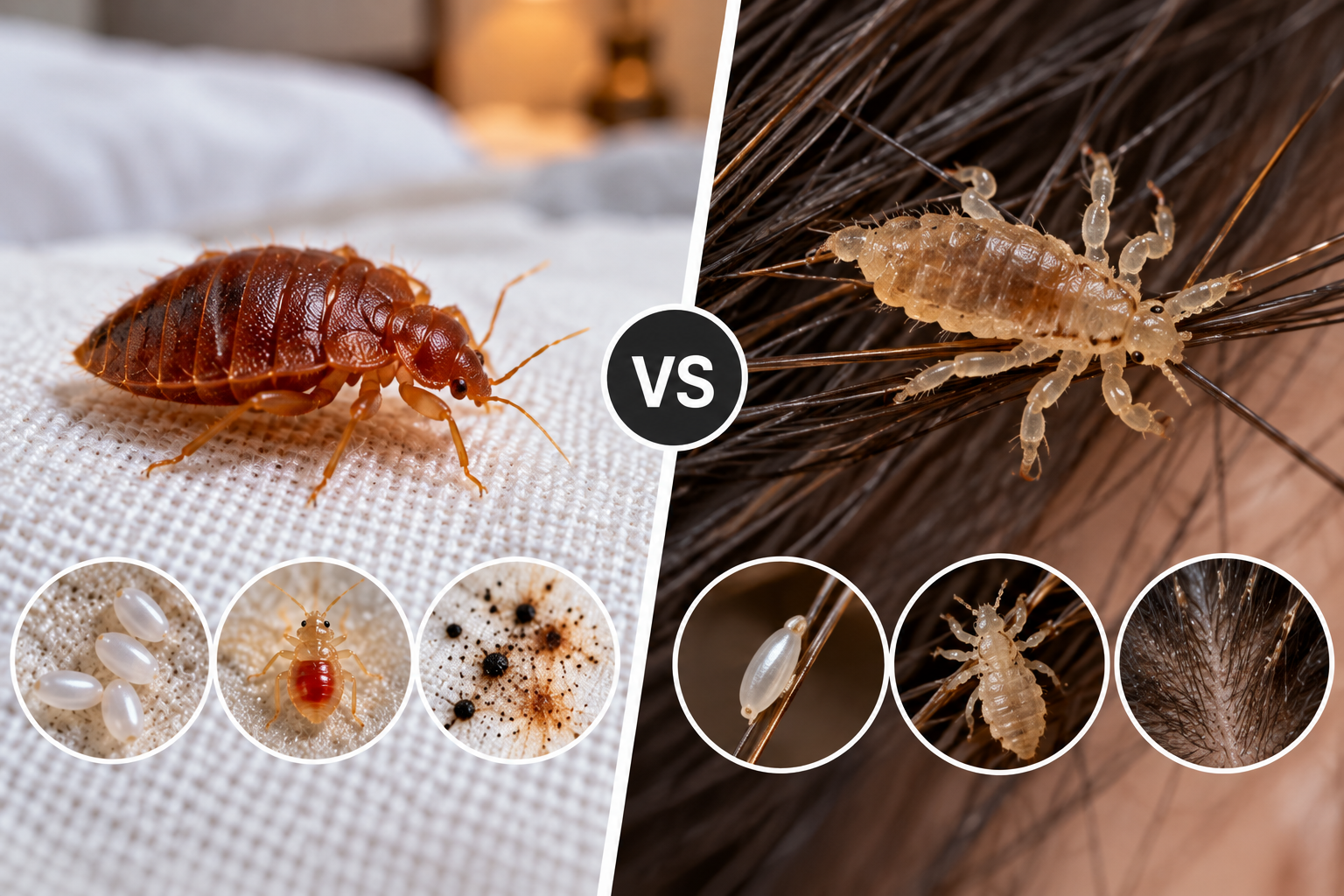
| Feature | Bed bugs | Head lice |
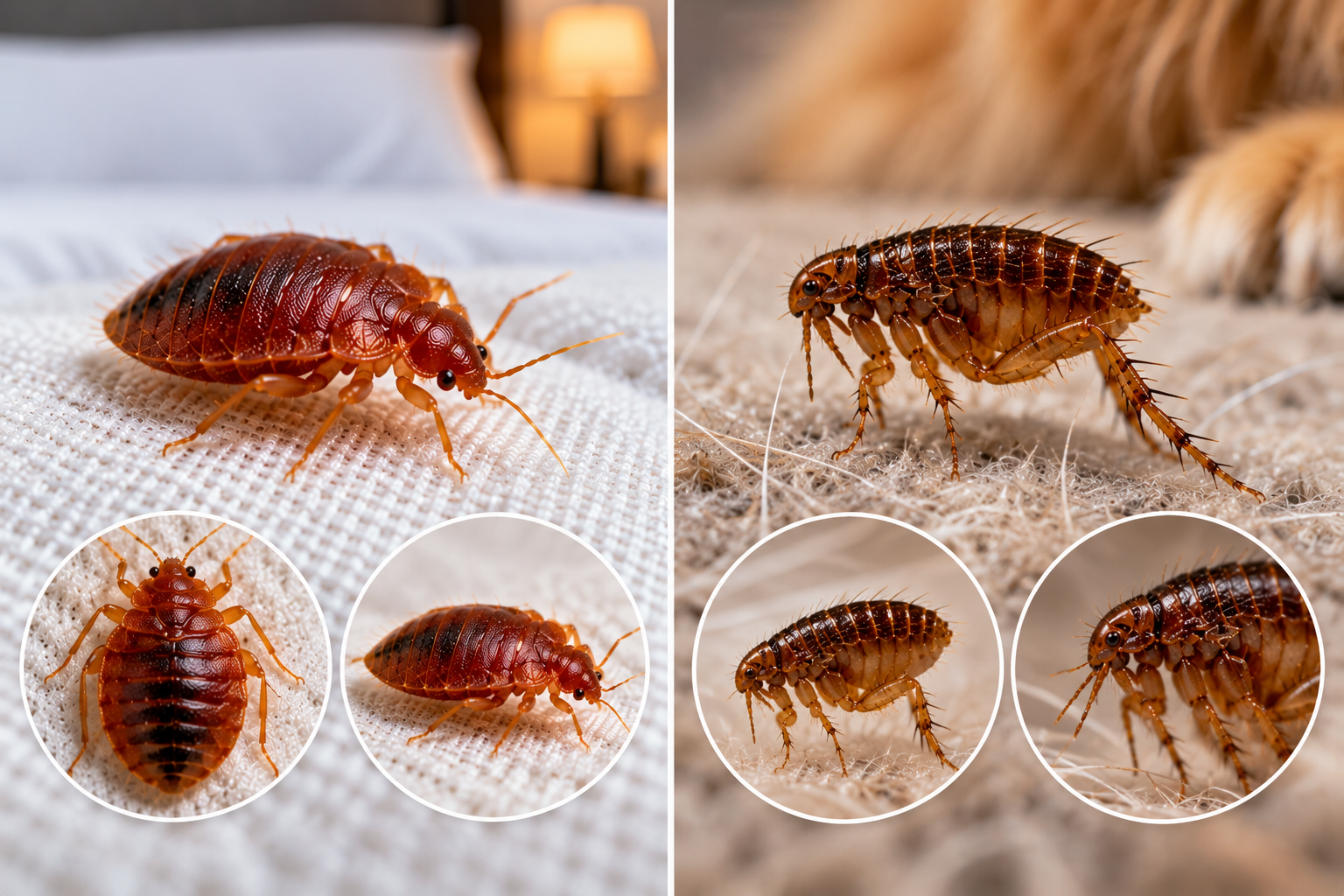
| Size | Adults 5–7 mm (apple seed); nymphs from 1.5 mm | Adults about 2–3 mm (sesame seed) |
| Shape | Flat, wide and oval | Long and narrow, with a slim body |
| Colour | Reddish-brown; pale nymphs | Greyish-white to tan |
| Where they live | Mattresses, bed frames, couches, cracks near beds | On the scalp, close to the hair roots |
| Eggs | Glued in seams and cracks of furniture | Nits glued to hair strands near the scalp |
| When they feed | Mostly at night, then leave the body | Several times a day, staying on the head |
| Survive off the body | Months without feeding | Die within about two days |
| How they spread | Hitchhike in luggage, furniture, bags and clothing | Head-to-head contact; less often shared hats, combs or pillows |
| Bites / itch | Itchy welts on exposed skin: arms, neck, face, legs | Itchy scalp, back of the neck and behind the ears |
| Who treats it | Licensed pest control professional | Lice treatment from a pharmacist or doctor |
Why Bed Bugs Don't Live in Hair
Head lice are built to live on people. Their legs end in claws shaped to grip hair strands, and they stay on the head where they can feed several times a day. The CDC notes that head lice that fall off a person die within about two days because they can't feed.
Bed bugs work the opposite way. They come out to feed, usually while you're asleep, and then return to dark cracks in the bed and furniture to digest. They don't have claws designed for hair, and they don't stay on the body. They can survive for months between meals, so they have no reason to stay on you.
It's possible for a bed bug to crawl through hair while looking for exposed skin, and it may bite along the hairline, neck or face. But it won't settle there, lay eggs there or live there.
How to Tell Lice From Bed Bugs
Look at where you found it
- In hair, on the scalp or on a comb: lice.
- On the mattress, sheets, bed frame or couch: more likely bed bugs.
- In clothing seams: possibly body lice (see below), or bed bugs if the clothes have been near an infested bed.
Look at the eggs
Lice eggs, called nits, are glued to individual hairs close to the scalp. The CDC says nits within about 6 mm (¼ inch) of the scalp usually mean an active infestation. Bed Bug Eggs are about 1 mm, pearl-white and glued into furniture seams and cracks, never to hair.
Look at the bites
Lice cause itching on the scalp, the back of the neck and behind the ears. Bed bug bites usually appear on skin exposed while you sleep, like arms, shoulders, neck, face and legs, often in a line or cluster. Bites alone aren't proof of either, since reactions vary a lot from person to person.
Look for other signs
Bed bugs leave evidence in the bed: black fecal spots that smear reddish-brown when wiped with a damp cloth, empty shed skins, and eggs in the mattress seams. Lice don't leave signs in furniture, apart from the occasional hair or louse on a pillowcase.
What About Body Lice?
Body lice are a different species from head lice. The CDC describes them as about 2.3–3.6 mm long and notes that they live and lay eggs in the seams of clothing and bedding, only moving onto the skin to feed. That makes them easier to confuse with bed bugs than head lice are.
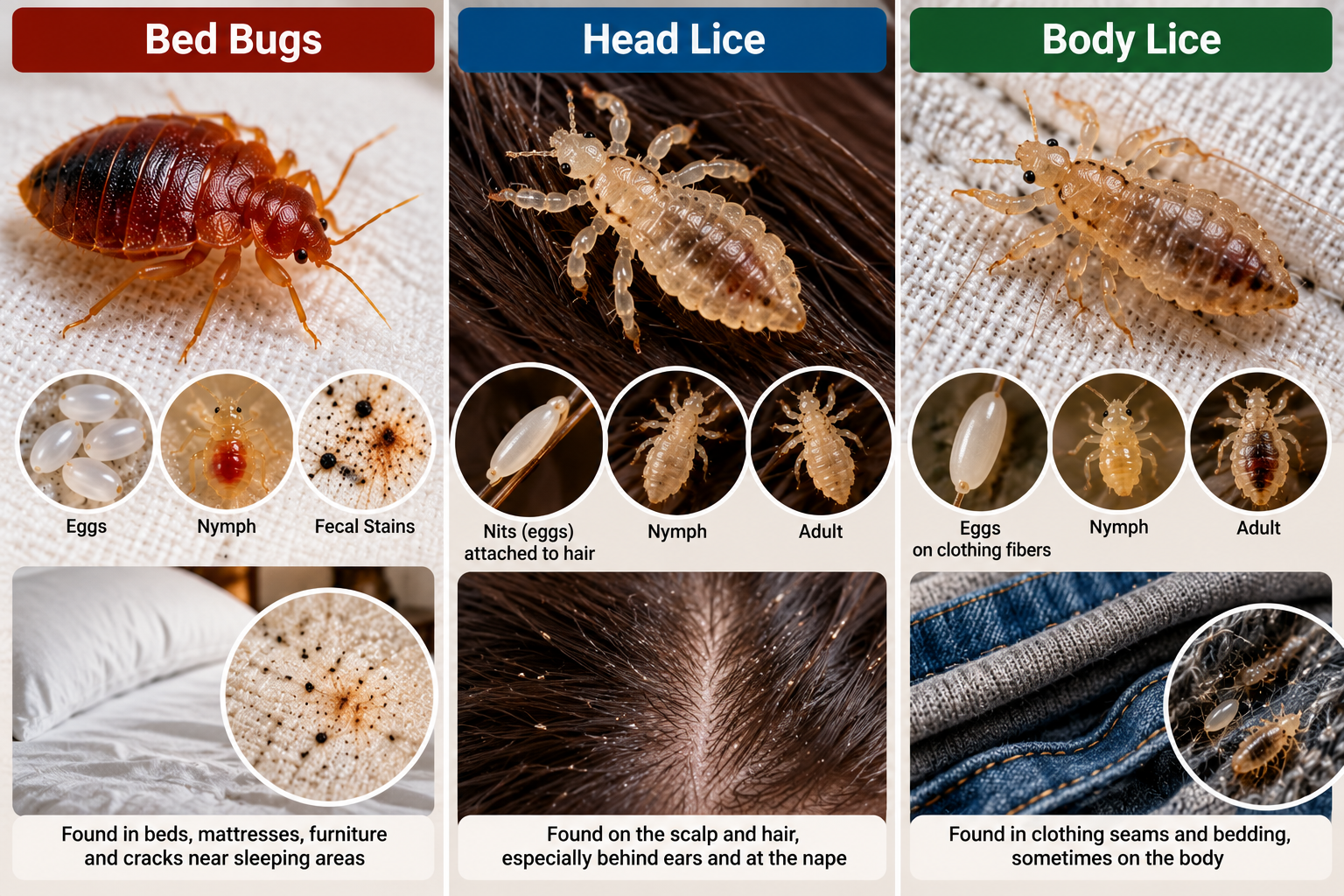
The key differences:
- Body lice are found mainly in clothing seams worn close to the body. Bed bugs hide in the bed and furniture.
- Body lice feed several times a day and die within one to two days off a person. Bed bugs feed less often and survive months without a meal.
- Body lice are mostly linked to crowded living conditions and limited access to laundry. Washing clothes and bedding in hot water and drying them on high heat, along with regular changes of clean clothes, is the main treatment.
Can Bed Bugs Live on Your Body?
No. Bed bugs don't live on people the way lice do. They're only on your skin long enough to feed, usually a few minutes, and then they leave. You may carry one on your clothes or in a bag from one place to another, but they won't stay attached to your skin or hair.
Can You Have Both?
Yes, but they're unrelated problems. Having lice doesn't make bed bugs more likely, and having bed bugs doesn't cause lice. Each one needs its own treatment, so it's worth confirming which you have before you spend money on the wrong fix.
What to Do If It's Lice
Head lice are a personal health issue, not a home pest problem. Talk to a pharmacist or doctor about treatment options, and check everyone in the household. The CDC says fumigant sprays and fogging aren't needed to control head lice and can be toxic if inhaled or absorbed through the skin. Washing recently used bedding, hats and towels in hot water, drying them on high heat, and vacuuming furniture is enough around the house.
A pest control treatment of your home won't solve head lice.
What to Do If It's Bed Bugs
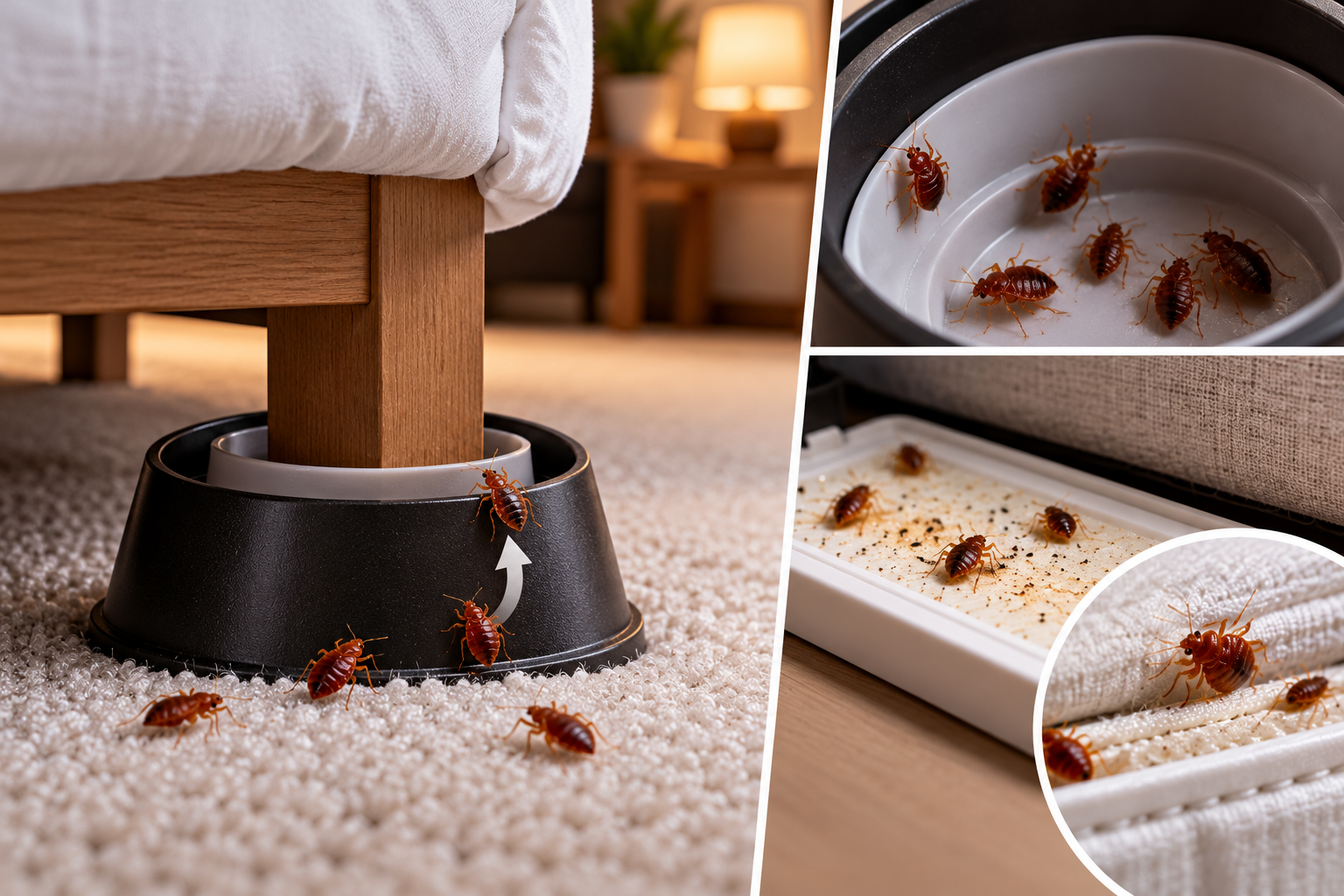
- Confirm the signs: live bugs, fecal spots, shed skins or eggs in the mattress, box spring or bed frame.
- Keep sleeping in your bed so you don't spread them to another room.
- Bag your bedding in the bedroom, then wash it hot and dry on the hottest setting for at least 30 minutes.
- Vacuum seams and cracks, then seal and throw out the vacuum contents.
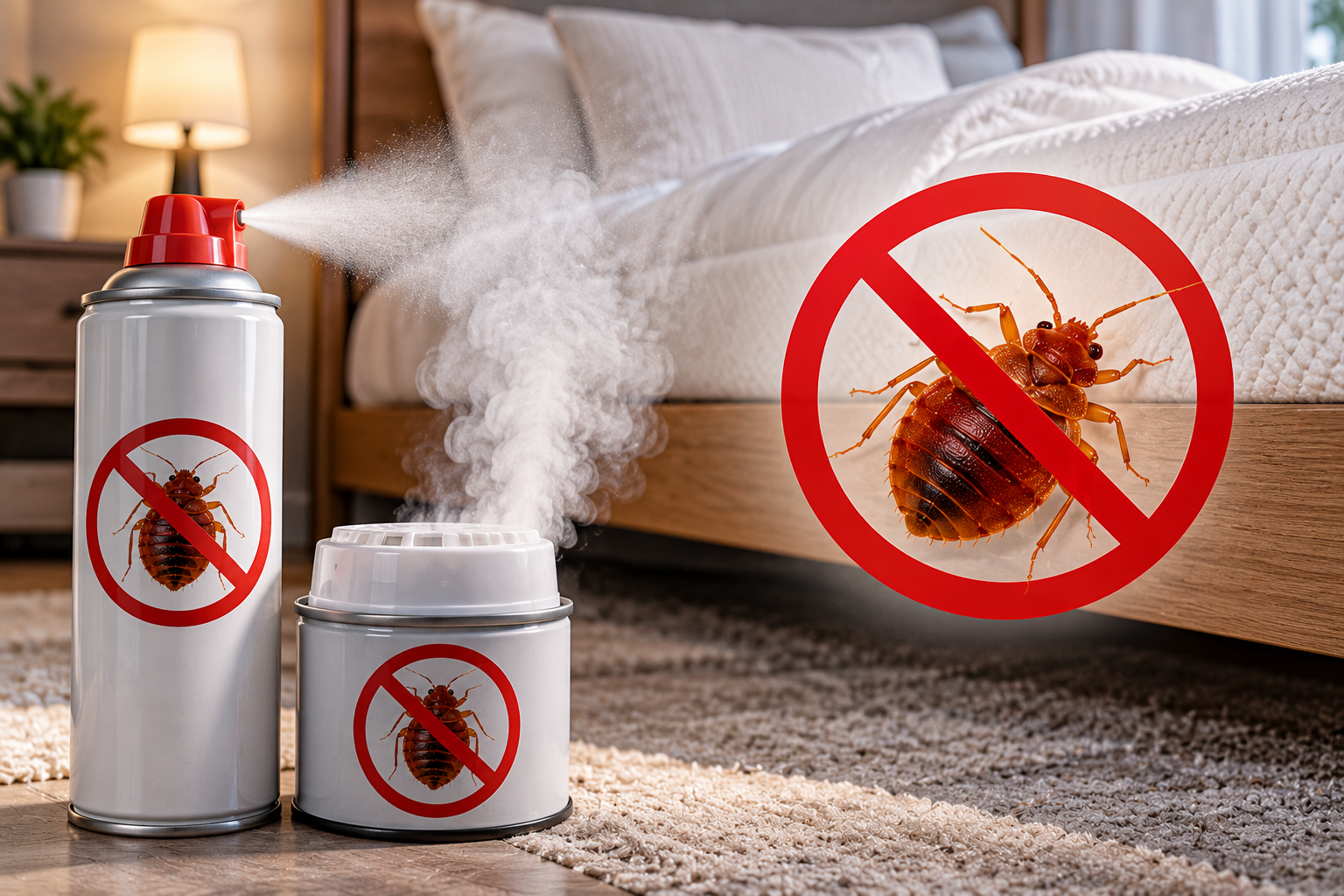
- Avoid bug bombs and store sprays, which don't reach where bed bugs hide.
- Book a professional inspection, to learn how to get rid of bed bugs effectively, confirm the infestation, and treat every life stage for better long-term results..
How Nomore Pest Can Help
If the signs point to bed bugs, our licensed technicians inspect the bed, furniture and room to confirm the problem. We use proven bio and chemical treatments that target every life stage, including eggs, with a follow-up inspection built into every plan. We serve homes, apartments and businesses across Toronto, Mississauga, Vaughan, Scarborough, North York and Etobicoke.
Not sure what you're seeing? Book a bed bug inspection and we'll tell you whether it's bed bugs before recommending any treatment.
Conclusion
Bed bugs don't live in your hair. They bite and leave, hiding in mattresses, bed frames and furniture. Head lice live on the scalp, lay nits on hair strands and die within about two days off the head. If you're finding bugs or eggs in hair, it's lice and a matter for your pharmacist or doctor. If you're finding signs in the bed, it's likely bed bugs, and that's a job for pest control.
Think it might be bed bugs? Call Nomore Pest at 800-461-1827 or 437-922-2705, or email info@nomorepest.ca for a free bed bug inspection anywhere in Toronto and the GTA.
Frequently asked questions
Can bed bugs live in your hair?
No. Bed bugs feed on exposed skin for a few minutes and then return to hiding places in the bed and furniture. They don't have legs built to grip hair and don't lay eggs on hair. Bugs or eggs stuck in hair are almost always head lice.
How can I tell if I have lice or bed bugs?
Check where you find them. Lice live on the scalp and lay nits on hair strands close to the roots. Bed bugs hide in mattresses, bed frames and couches, and leave black fecal spots, shed skins and eggs in seams. Lice cause scalp itching; bed bug bites show up on exposed skin like arms, neck and legs.
Are bed bugs bigger than lice?
Usually, yes. Adult bed bugs are about 5–7 mm long and wide and oval. Adult head lice are about 2–3 mm, the size of a sesame seed, and longer and narrower. Young bed bug nymphs can be close to lice in size, though.
Can lice live in your bed?
Not for long. The CDC says head lice that fall off a person die within about two days because they can't feed. Washing recently used pillowcases and bedding in hot water and drying on high is enough. You don't need to treat the mattress for lice.
Do I need an exterminator for lice?
No. Head lice are treated on the person, with products or advice from a pharmacist or doctor. The CDC says fumigant sprays and fogging aren't needed for head lice and can be harmful. An exterminator is the right call for bed bugs, not lice.
Can bed bugs bite your scalp?
Occasionally. A bed bug can bite along the hairline, neck or face while you sleep, but it won't stay in your hair afterward. Ongoing itching in the scalp with visible nits on hair strands points to lice.
Got a pest problem? Don't wait.
Book a professional inspection across Toronto & the GTA and get peace of mind, backed by a licensed & insured local team.
Or email us at info@nomorepest.ca · Toronto & the GTA